
Manufacturing Engineering & DFM
The Role of the Production Design Engineer in Molded Product Development
In modern plastic manufacturing, the production design engineer bridges the gap between functional R&D product concepts and automated shop-floor tooling. By aligning product design with moldability, material selection, and automated press processing, production engineering delivers higher-performance parts at lower unit cost.
- Core Mission: Eliminate barriers between R&D functional design and manufacturing tool engineering regarding resin behavior, mold tolerances, and cycle automation.
- 2 Distinct Engineering Tracks: Product Design (functional performance, styling, field testing) vs. Process/Production Planning (mold tooling, machine shop, inspection, and assembly automation).
- 3 Engineering Classification Axes: Fields (mechanical, industrial, chemical, electrical), Functions (R&D, design, tooling, methods, quality), and Industry Applications (automotive, appliance, medical, electronics).

Bridging Functional Product Design and Automated Tooling
The field of product design spans everything from modifying an existing housing for easier mold release to executing a complete product development program—integrating market cost analysis, resin research, invention, prototyping, and field durability testing.
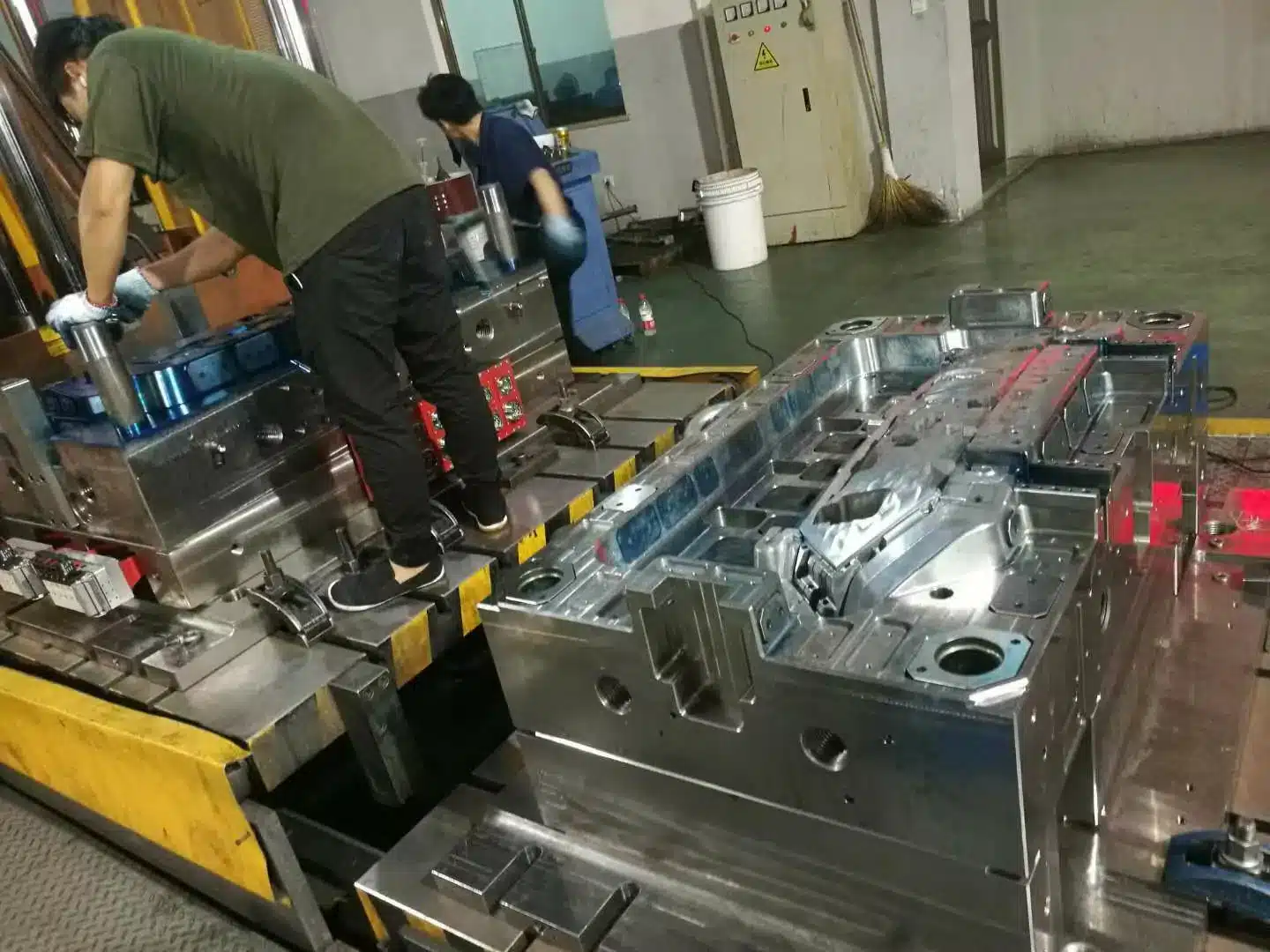
When a new automotive, appliance, or industrial component is introduced, production design engineers coordinate the custom plastic molds, automated press cells, auxiliary robotics, and quality gauges required to manufacture the part at scale.

Just as continuous steel rolling mills and chemical plants rely on closed-loop numerical control to convert raw feedstock into finished goods without manual intervention, modern injection molding plants convert raw polymer pellets into precision components in lights-out automated cells. The more automated a molding facility becomes, the more critical upfront production design engineering is to prevent tool hang-ups.
Specialization Across Product and Process Engineering
In a small shop, a single engineer may handle both 3D part CAD and mold process planning. As manufacturing scale grows, engineering responsibilities split into two specialized tracks that must collaborate closely:
| Engineering Track | Primary Technical Specialists | Key Deliverables in Plastic Molding |
|---|---|---|
| 1. Product Design Group | Mechanical, structural, vibration, and electrical enclosure designers | 3D part CAD, material specification, structural load validation, and styling |
| 2. Process & Tooling Group | Tooling planner, CNC machine shop planner, finishing/assembly & QC planners | Multi-cavity mold design, gate/cooling layout, fixture design, and cycle cost control |
Across industrial manufacturing, engineering roles are structured along three intersecting dimensions:
- Engineering Fields: Mechanical, industrial, materials/chemical, and electrical engineering.
- Operational Functions: Research, development, product design, tool engineering, time/methods study, manufacturing, maintenance, and technical sales.
- Industry Applications: Automotive, medical devices, consumer appliances, electronics/communications, and packaging.
The production design engineer serves as the technical link between the functional R&D department and the mold manufacturing toolroom—resolving material shrinkage, undercut tooling, and tolerance conflicts before steel is cut.

Need experienced production and tooling engineers to review your 3D part design for injection molding? Explore our Plastic Part & Mold Design Guide or request a free DFM audit below.

