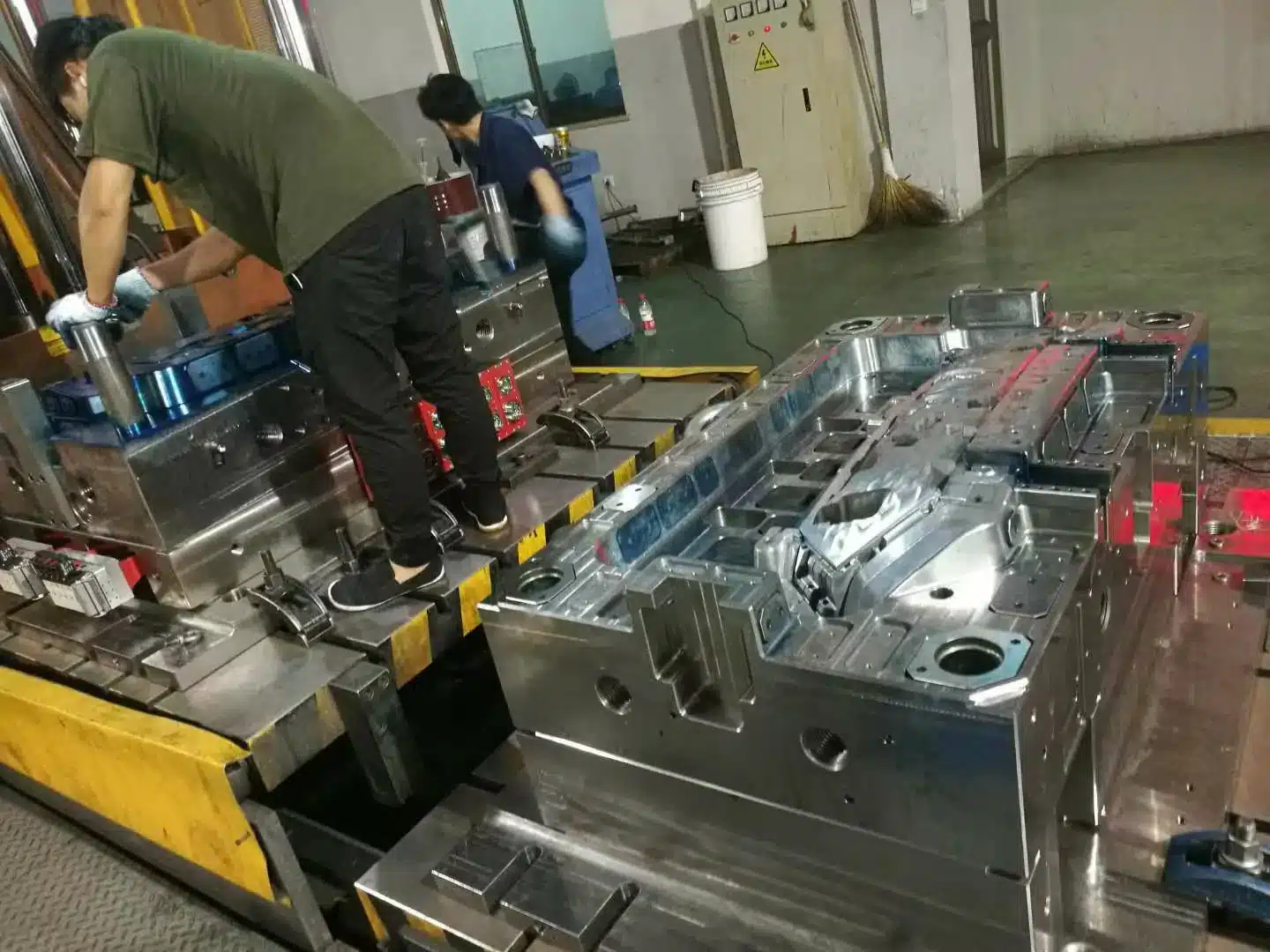

Affordable China Injection Molding: A 2026 Cost Analysis
China has been one of the most dominant forces in manufacturing for decades and for good reason. Businesses around the globe have tapped into the country’s infrastructure and skilled workers to achieve high quality at reasonable prices. But some observers have raised questions about the country’s future as a low cost option, especially in specialized areas such as injection molding, as the Chinese economy grows.
Such claims ignore reality. China remains one of the most competitively priced injection molding sources in the world. Chinese manufacturers have learned to manage cost increases while improving efficiency, technology, and scale.
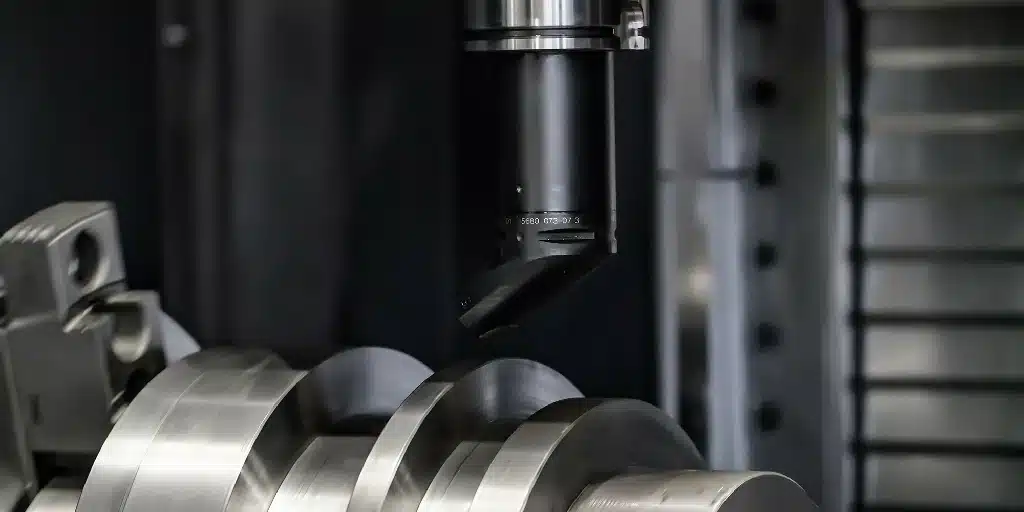
This post will outline the most important reasons for the low cost of injection molding in China. We will examine value costs and the improvements made in cost efficiencies to demonstrate why China still meets the needs of businesses that seek to reduce their production costs while maintaining the quality of their products and their delivery times.
Labor Costs
Probably the most common misconception for manufacturing in China is that the low cost of labor is the biggest advantage.
When considering past economic conditions, one would reasonably assume the same could be said about the present-day situation. Over the last decade, economic maturation, increased standards of living, and domestic wage growth shifts the economic advantage paradigm.
Labor costs are still competitive, but as you would assume, the advantage is transformed and rather complex.
For decades, China’s concentrated and specialized workforce has made it the world’s dominant exporter. Cost advantages and deep specialization in processes like injection molding keep it there.
Close to the injection molding and other manufacturing processes, the engineers and technicians refine and optimize the designs, reducing the overall production time. They are also one of the main reasons why production teams operate at a standard that is significantly above average.
These engineers and technicians are highly skilled as well as cost-effective. This is why there is still cost competitive advantage, even if the wages in a country are above some developing nations. Having worked together as a unit for a significant duration enables a group to tackle issues with speed and precision while assuring that the outcome is cost-effective and matches required specifications. No excessive reworks will need to be done because everything will be done the first time accurately.
Scale
There are a limited number of countries that can rival China in the size and scale of its manufacturing sector. Consequently, the country can enjoy economies of scale that decrease costs across the entire supply chain for customers seeking injection molding services.
Raw Material Source
China is a global leader in the production and consumption of several raw materials which include injection molding plastic resins. For manufacturers in China, this gives several advantages.
- Bulk Purchasing Power: Suppliers in China buy large volumes of plastic materials like ABS, polycarbonate, and polypropylene, and this gives them the negotiating power to purchase the raw materials at reduced prices.
- Lower Transportation Costs: Some of the raw materials are produced in China which eliminates the risks of international shipping and the costs of transportation.
- Range of Alternatives: The size of the market in China means materials, colors, and additives come in a large variety which shortens the time needed to source specialized resins for production.
Supply Chain
There are several decades of investments that support a highly integrated and efficient supply chain ecosystem.
In big manufacturing areas like Shenzhen and Ningbo, everything that’s needed by a factory is often found within short distances. This includes:
- Mold Makers
- Raw Material Suppliers
- Component Manufacturers
- Secondary finishing: painting and printing
- Packaging providers
- Shipping and logistics companies
Clients save money because this network procures parts and services fast. For injection molding projects, that means quicker mold builds, faster material access, and fewer shipping delays between production stages.
Automation and Technology
To stay competitive, injection molding facilities and production china have automated heavily, replacing manual machines with modern ones.
Modern Equipment
Injection molding facilities in China run the same high-end custom injection molding equipment. Advanced machines of big Chinese molding companies are used by companies in the West as well, like Haitian. This equipment helps clients save money. Modern machines provide:
- Increased Speed of Production: Modernized machinery works quicker, producing components faster, and achieving a higher total output.
- Reduced Energy Costs: New machinery consumes less electricity and lowers the cost of running a factory around the clock.
In the manufacturing sector, the use of automation and robotics has expanded significantly. In contemporary factories, robots fulfill a variety of functions, including:
- Removing the manufactured part from the mold
- Executing additional steps in the production process, such as trimming or assembly
- Packing the produced items
With this level of automation, factories can operate all the time with very little human input, significantly raising output and lowering the per-unit labor cost. This is crucial for maintaining the low cost of injection molding in China.
Manufacturing Facilities
Investments and policies geared toward the sector are not new to the Chinese government. This has always encouraged the development of a supportive framework that facilitates low running costs for businesses.
Government Policies
Tax incentives, such as rebates on exported goods, as well as subsidies aimed at imported machinery, lessen the costs to the manufacturers. Since they are paying less, they can charge less for their goods.
World-Class Infrastructure
China has developed infrastructure aimed at supporting manufacturing. This includes:
- Modern Ports: International shipping is fast and dependable thanks to the world’s most efficient and busiest container ports located within the nation’s borders.
- Extensive Transportation Networks: A vast system of highways, railroads, and air traffic infrastructure guarantee speedy and cost-effective domestic transport of goods from factories to ports.
- Reliable Utilities: Uninterrupted and affordable electric supplies support uninterrupted factory operations, especially in energy-intensive processes like injection molding.
This infrastructure lowers cost and keeps deliveries predictable.
The Real Cost
The initial quote per part is not the only thing to look at in evaluating the cost of injection molding. Total cost of ownership encompasses things like shipping, mold amortization, and estimated delays, or quality issue costs.
On total cost, China often comes out ahead. Unmatched speed of mold production, dependable manufacturing reliability, and logistical network efficiency.
A country may offer lower prices for certain goods, but that could mean longer lead times, higher shipping fees, and poor quality. All these factors could lead to an increased overall cost of the project.
Your Partner for Manufacturing Success
While China injection molding offers the same services, the industry keeps changing. Low-cost labor built the lead; automation and skilled workers keep it. With automation, advanced technology, and a skilled workforce, manufacturers in China provide low cost and high quality products and services, and do so in a short amount of time.
Businesses that want to launch products need to understand these value-based cost dynamics. With the right Chinese supplier, businesses can tap into first-rate manufacturing resources and infrastructure to lower costs, improve delivery timelines, and enhance competitiveness in the global market.

