





China Sourcing Guide
Low volume injection molding china means real plastic parts in short runs, usually 100 to 10,000 pieces, molded on a soft or semi-hard tool instead of full production steel. You skip most of the tooling bill. You get parts in the actual resin your customer will hold, weeks sooner than a production program allows. This guide explains how the process works, what drives the cost, and where the limits sit. It also explains why so many buyers run these jobs in China.

Manufacturing Logic Simulator
Compare 3D Printing, CNC Machining, and Injection Molding based on production quantity and design complexity.
100
1k
10k
100k
$0.00
Quantity Decision Guide
Prototype / concept test
Prototype or small batch
CNC or low-volume option
Low-volume molding possible
Injection molding advantage
What Topworks Runs for Low Volume Injection Molding
We run low volume injection molding for buyers in automotive, medical, consumer electronics, and industrial equipment. Most short-run jobs land between 100 and 10,000 parts.
If you only need a handful of samples, our prototyping line is the faster route. From first quote to last shipment, the same engineer stays on your file.
Send us your 3D CAD when ready, and we will return a free quote with DFM feedback. STEP and X_T are best, and Parasolid works too.
Our engineers review every design for DFM before we cut steel, checking draft angles, wall thickness, gate location, and shut-off faces. We flag what would cause sink, flash, or warpage while it is still cheap to fix. Material choice gets the same attention.
If you are unsure which resin to specify, tell us what the part must do. We will come back with two or three resin options and the trade-offs between them. UV exposure, flame rating, chemical contact, and drop height drive the recommendation.
For the mold itself, we match steel and structure to your shot count and tolerance band. Aluminum, P20, and H13 each have a range where they make sense. Most low-volume jobs run on P20 or aluminum inserts in a master shoe.
Need a physical part before we cut the mold? Choose 3D printing or CNC machining for the first article. That step catches design problems while fixes still cost little.
We run flexible schedules and add second or third shifts when timing is tight. The shop has 14 injection machines from 80 to 1,000 tons of clamp force. That covers a 30g handheld housing up to a 2kg automotive bracket.
Low Volume Injection Molding: What Is It?
Low volume injection molding is short-run plastic production on a softer, cheaper mold, usually aluminum or P20, in batches under 10,000. You give up tool life. You gain speed and a much smaller tooling bill.

That trade fits prototypes, pilot runs, bridge production, and short-life products. The cutoff is fuzzy. Most shops, ours included, treat anything under 1,000 parts as clearly low-volume. From 1,000 to about 10,000, the call depends on cycle time, resin cost, and how long the design has to live.
Buyers like it for one reason. The path from CAD to shippable parts gets shorter, and options stay open. If the first 500 sell, the mold keeps running. If they do not, you have not sunk tens of thousands into hardened steel.
For general background on plastics manufacturing, the PLASTICS trade association publishes industry resources.
Why Low Volume Injection Molding Wins for the Right Job
The math works in specific situations. Here is where we see it pay off.
Bridge between prototyping and mass production
A 3D-printed part proves geometry. It does not prove how resin behaves under real injection pressure and shrinkage. That gap is what a low-volume mold fills. You get parts in the real grade of ABS, PC, or PP. You test fit, finish, weight, and assembly on the same plastic your customer will hold. Most product teams catch at least one assembly issue at this stage that the print never showed. Finding it now beats finding it after a hardened steel tool is cut.
Low minimums cut your cash exposure
You do not need 100,000 parts to launch. You need enough to test the market. A single-cavity aluminum or P20 mold costs a fraction of a multi-cavity hardened steel tool, though per-piece cost runs higher. Upfront cash outlay runs far lower, and parts arrive in weeks. For most early-stage products, that trade beats a lower piece price.
Get into new markets fast
Entering a new region or vertical means you do not yet know which SKU will sell. Low-volume molding puts real product in your hands for a tradeshow, a pilot customer, or a regional market test. The tooling wait drops from months to weeks. Printing covers under 50 pieces. Low-volume injection covers 100 to several thousand. Above that, you are talking full production tools.
Short product lifecycles
Some parts will not be on the market in two years. Consumer electronics housings, seasonal items, promotional accessories, and limited-run gadgets all turn over fast. Building a million-shot hardened mold for a 5,000-piece run wastes money. A low-volume mold matches the run length you actually need. When the SKU ends, you walk away with no sunk tooling cost on the books.
The design can still change
Aluminum and P20 forgive. We can weld or re-cut a soft tool in days. Inserts go in just as fast. On hardened H13, the same change can mean a new insert and a week of EDM time. If your design is still settling, run a low-volume mold first. Iterate on real parts, then cut the production tool once the geometry locks.
Catch the hidden problems early
Short shots near thin ribs, sink on the back of a boss, flash at a shut-off you thought was sealed. None of this shows in CAD. It shows at T1. Running a low-volume tool first means you catch it on a soft tool. A production tool would cost several times more. If the rib must thicken, the gate must move, or the parting line must shift, you still have room to fix it.
For typical low-volume work, expect a first T1 sample in about three weeks. A production tool in hardened steel takes several weeks longer.
Why Run Low-Volume Work in China
Buyers searching for low volume injection molding china usually compare two numbers: piece price and tooling cost. China wins on the second more than the first. Resin costs roughly the same everywhere. The mold does not.
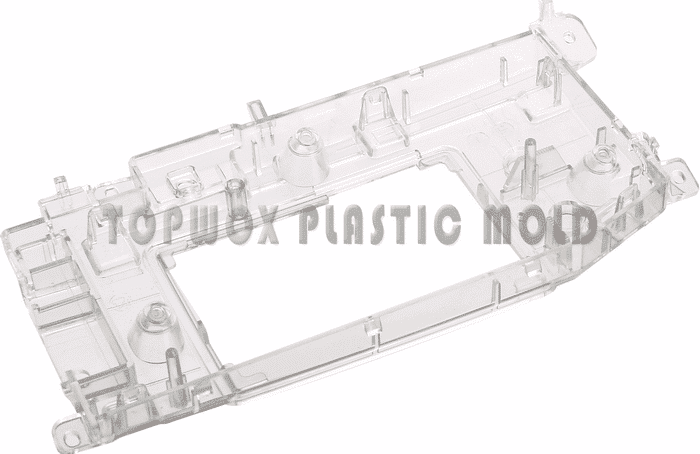
A mold is mostly machining hours, bench work, and steel. In China, machining hours and bench work cost far less than in the US or Europe. That changes the math on soft tooling. A single-cavity P20 or aluminum tool that would be hard to justify at Western shop rates becomes an easy decision here. For detail on where the money goes, see this breakdown of Chinese mold costs.
P20 and aluminum plate are stocked in standard sizes by Chinese steel suppliers. A low-volume tool starts from plate on the shelf. No special order, and no waiting on material. H13 stays reserved for jobs that need the hardness instead of being used by default.
Chinese mold shops commonly run around the clock. We add second or third shifts when a deadline compresses. A T1 sample in about three weeks is normal for a straightforward part, not a rush surcharge.
Time zones worry first-time buyers more than they should. The fix is process, not geography. One engineer owns your file from quote to shipment. Every design gets a free DFM review before steel is cut. Questions get answered in English with marked-up CAD, not one-line replies.
The risk in China is picking the wrong shop, not the country. Compare makers on certifications, equipment, export history, and references before you commit, and see how China's top mold makers compare. Start with a low-volume tool before committing to production steel.
Prototype Molds for Low Volume Injection Molding
A prototype mold exists for one reason. It produces a real injected sample of the part, not a perfect one.
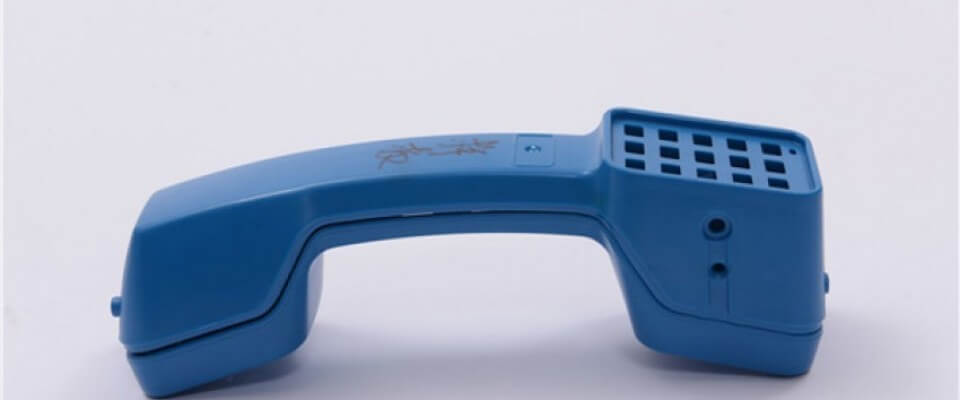
Molded samples tell you things machined or printed samples cannot. Shrinkage, flow lines, sink near thick sections, and gate behavior all show up only under real injection conditions.
A prototype tool often costs less than a long flow-simulation study, and it hands you a part you can hold. Mold material can be mild steel, aluminum, or even epoxy in some cases. Anything that holds geometry under real injection pressure and melt temperature qualifies.
Drop tight tolerances on non-functional surfaces. The polish can go unless the part is cosmetic. Cooling channels can wait if the part is small and you can pause between shots.
Ejector pins can sometimes give way to air blow at the parting line. We have shipped working samples this way for small housings under 80mm. Threads can be molded with loose inserts that come out with the part and get unscrewed by hand.
Loose inserts also replace side-action cores or lifters on a prototype tool. The insert sits in the cavity and the part molds around it. The operator pulls both out together. The cycle runs slower, but the tool costs far less.
If a feature is too detailed to mold, leave it off and machine it after molding. A drilled hole or a milled slot beats a side action you will scrap in two months.
Shops that run prototypes often use a master mold shoe with swappable inserts. One frame serves many cavities. We have had customers run 12 different parts through one shoe over a year. The gate is usually a simple sprue or short edge gate, cut by hand after ejection.
For a detailed look at what aluminum tooling can and cannot do, MoldMaking Technology's piece on aluminum tooling myths is worth reading before you write aluminum off as prototype-only.
| Step | What Happens |
|---|---|
| Clamping | The mold halves close under high clamp force before any plastic moves. Tonnage must beat the injection pressure pushing the mold open, or every shot flashes. |
| Injection | Pellets feed into the barrel and travel through heated zones. The reciprocating screw melts and meters the dose. Once shot size is set and the mold locks, the melt is driven into the cavity at high pressure. |
| Cooling | The melt starts to freeze the moment it touches the cavity wall. The part takes its final shape as it solidifies. Cooling time follows wall thickness, resin, and mold temperature, and it takes the largest share of cycle time on most parts. |
| Ejection | The mold opens and ejector pins push the part out. The screw starts metering the next shot. The mold closes again and the cycle repeats. On a clean tool with good cooling, housing-sized parts cycle in tens of seconds. |

Injection molding makes identical parts at scale with consistent quality. The trade-off never changed: hardened steel molds cost real money upfront and pay back over hundreds of thousands of shots. More buyers now want short runs and custom SKUs, with faster iteration between them. Low-volume molding exists for exactly that demand.
The Real Benefits of Low Volume Injection Molding
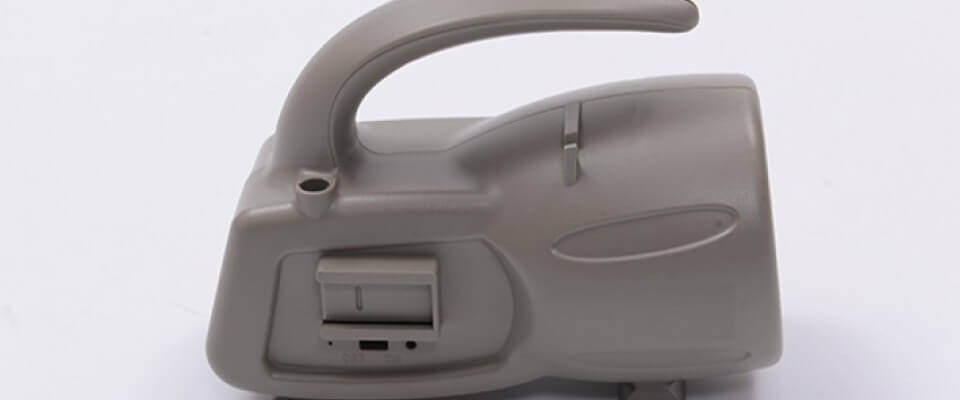
For most low-volume work, aluminum inserts or P20 cavities beat hardened steel. They machine and polish faster, and cutters last longer on soft metal. You do not need 500,000-shot tool life. You need 5,000 to 50,000.
That trade saves tooling cost and weeks of lead time.
The 1,000-part line is the rough cutoff. Below 1,000, aluminum is almost always the right call. Between 1,000 and 10,000, the resin decides. Glass-filled nylon eats aluminum faster than ABS does. Above 10,000, P20 or H13 starts to pay for itself.
No official rule exists; the 1,000 mark is just where the math usually tips.
Speed to market is the other half. While a competitor waits on a hardened tool, your low-volume mold is already running parts. That is weeks of revenue head start.
- Upfront cost drops because a smaller, simpler mold in aluminum or P20 replaces a multi-cavity hardened steel tool.
- First parts arrive sooner, with T1 samples landing in about three weeks on most jobs, sometimes faster.
- You mold in the real resin grade, not a print approximation.
- Design changes stay cheap because soft tools weld and re-cut without major rework.
- A short run slots between bigger jobs without stopping the shop.
For process background, Plastics Technology publishes processing guides covering molding fundamentals.
Design Tips for Low-Volume Parts

A few design choices save real money before we cut steel. Designing for an aluminum mold is not quite the same as designing for H13.
Keep the part simple and avoid lifters and side actions where you can. Aluminum is soft, and repeated lifter action wears it down fast. If a side action is unavoidable, move the tool to P20.
Draft angle matters more than most buyers expect. Without draft, the part drags on ejection. Aim for at least 0.5 degrees on vertical faces. Two to three degrees is better. Textured surfaces need more, sometimes 5 degrees or higher. Zero draft in CAD means drag marks and scratches, plus a tool that needs polishing after every run.
Wall thickness is the next big lever. Thicker is not stronger, since thick walls cool unevenly, causing sink outside and stress inside. For most thermoplastics, hold walls between 1.0mm and 3.5mm and keep them as uniform as possible. A thick boss should be cored out, not left solid.
Skip cosmetic polish unless the end user sees the part. A hand-polished SPI A1 cavity finish adds days of bench time. If the part lives inside a housing, an SPI B or C finish works fine. Asking this one question early has saved customers thousands in tooling.
Low-Volume Production FAQs
Fast-quote tip: send 3D and 2D files, target quantity, resin spec, cosmetic faces, tolerances, and inspection requirements. That is everything we need to quote without back-and-forth.
What is the typical lead time for low-volume production?
Most low-volume builds ship parts 7 to 15 days after mold sign-off. Part complexity, resin availability, and tool grade move that window. Prototype tools run fastest, while bridge and production tools take longer. We confirm a firm date during RFQ review, once we have your 3D files and quantities.
What is your MOQ for low-volume injection molding?
Typical MOQ is 100 to 500 pieces. The exact number follows part size, resin, cosmetic spec, and tooling route. A small ABS housing on a prototype tool can start at the low end. A large glass-filled part on a bridge tool starts higher. Send the CAD and we will work out the real minimum for your part.
Which mold strategy is best: prototype, bridge, or production tooling?
Pick prototype tooling when the design is still moving. Pick bridge tooling for pilot batches or early sales. Move to production tooling once the design is locked and demand is visible. Budget, iteration speed, and risk tolerance decide which route fits. If you are unsure, send the file and we will recommend one.
What materials can you run for low-volume production?
We run most commodity and engineering plastics: ABS, PC, PP, PA6 and PA66, POM, PMMA, PBT, and glass-filled blends. The choice follows your spec. Load, temperature, chemical contact, surface finish, and end use all feed into it. Tell us what the part must survive and we will narrow it to two or three grades.
When Low-Volume Injection Molding Is the Right Call
Full hardened steel tooling earns its keep at hundreds of thousands of identical parts. The math works when a production tool runs high volumes over years.
When you do not need that volume, do not pay for that tool. Bridge tooling and aluminum molds close the gap. You get production-grade parts in real resin without the full tooling commitment. We see this pattern most with hardware startups, medical device pilots, automotive aftermarket parts, and small consumer brands. That staged approach is how most low volume injection molding china programs run. Prove the design on a soft tool, then scale to production steel.
From design review through final QC, the same project lead stays on your file. Buyers underestimate this, yet communication speed matters more than the cheapest quote.
If you are holding a CAD file and wondering whether low-volume fits your part, send it over. We will tell you straight which route fits, and that answer is free.
- Address: Mold city Huangyan,CN 318020
- Phone: + 86 159-6865-2523
- Email: sales@plasticmoulds.net
Ready to start your low-volume project?
When you need high volumes, our plastic injection molding china services run full production tooling. For multi-material parts, our overmolding covers insert molding and 2K molding.
