
Insert Molding Explained: How Metal and Plastic Join Forces for Superior Strength and Functionality
Picture this: you’re holding a power tool, and that comfortable grip feels solid, almost indestructible. There’s a reason for that. Beneath that ergonomic plastic exterior lies a metal core, permanently bonded through a fascinating process called insert molding. It’s like the manufacturing world’s answer to a perfect marriage – two different materials coming together to create something stronger than either could be alone.
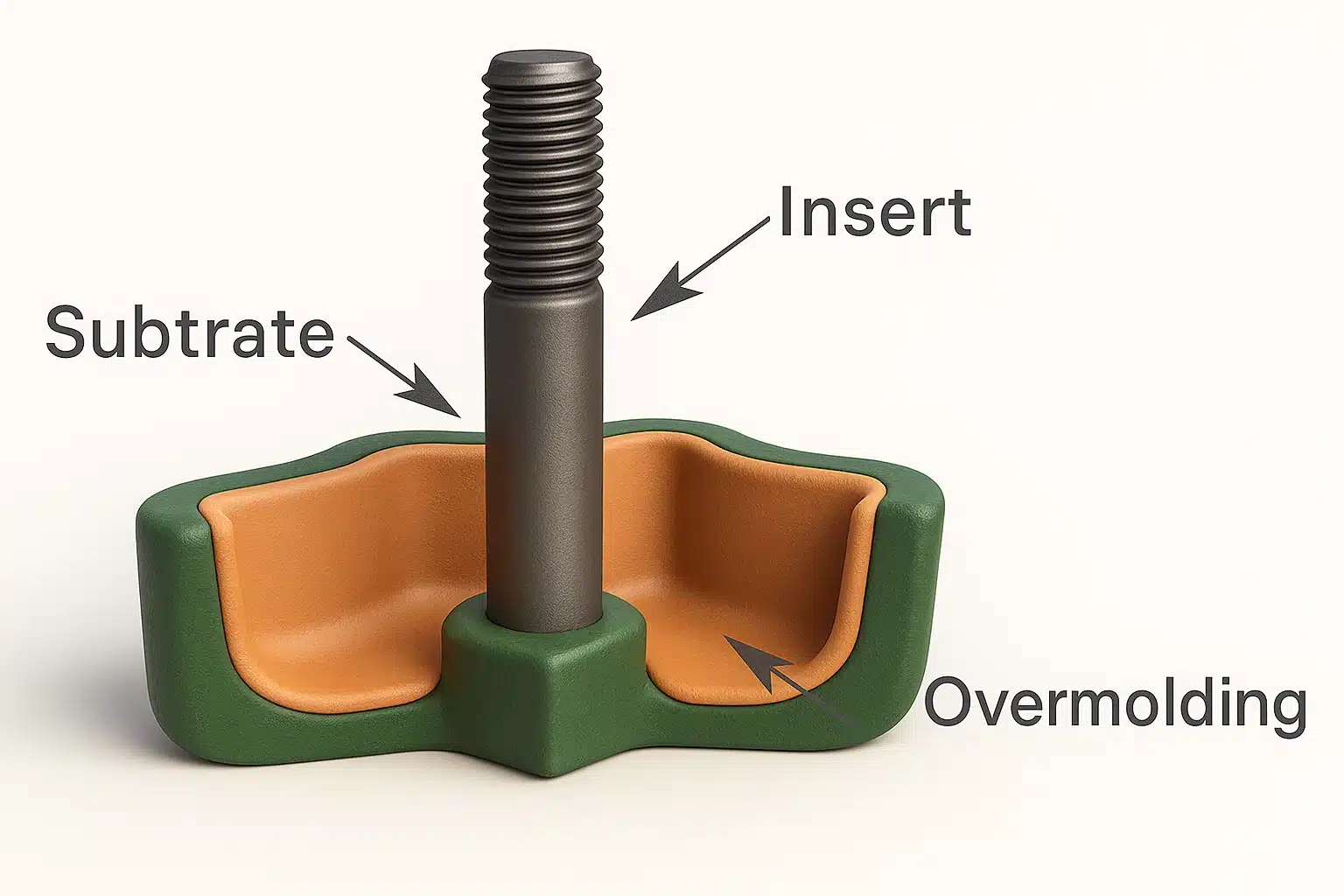
Insert molding is one of those manufacturing techniques that sounds complex but makes perfect sense once you understand it. Simply put, it’s the process of placing a pre-formed component (the “insert,” usually metal) into a mold cavity, then injecting molten plastic around it to create a single, integrated part. Think of it as giving plastic parts a metal backbone – literally.
The Dance of Metal and Plastic: How Insert Molding Works
Let me walk you through what actually happens inside that injection molding machine. It’s more choreographed than you might expect.
Step 1: Insert Placement – Setting the Stage
First up, the insert gets positioned in the mold. Now, this might sound straightforward, but here’s where things get interesting. For low-volume production, operators might place each insert by hand – say, a brass threaded insert that’ll later hold a screw. But when you’re cranking out thousands of parts? That’s when the robots take over.
I’ve watched these automated systems at work, and honestly, it’s mesmerizing. A robotic arm picks up each insert with surgical precision, places it exactly where it needs to be, and gets out of the way – all in seconds. The insert has to sit perfectly in its designated spot because once that mold closes, there’s no second chance.
Step 2: Injection – Where the Magic Happens
With the insert secure, the mold clamps shut. This is when things get serious. Molten plastic – we’re talking temperatures around 400°F or higher – gets injected into the cavity under tremendous pressure. The plastic flows around the insert like water finding its way around a rock in a stream, except this “water” is molten polymer moving at high velocity.
The key here? The plastic needs to flow evenly without displacing the insert. Too much pressure, and you might shift the insert. Too little, and you won’t get complete coverage. It’s a delicate balance that requires precise control of injection speed, pressure, and temperature.
Step 3: Bonding – Making It Permanent
As the plastic cools and solidifies, something remarkable happens. The material shrinks slightly, gripping the insert tightly. If the insert has knurled surfaces, undercuts, or holes, the plastic flows into these features, creating a mechanical lock that’s incredibly strong. Some inserts even have special coatings that enhance this bond at a molecular level.
Step 4: Ejection – The Big Reveal
Once cooled, the mold opens, and ejector pins push out the finished part. What emerges is a single component that combines the best properties of both materials – the strength and conductivity of metal with the design flexibility and insulation properties of plastic.
Why Engineers Love Insert Molding (And You Should Too)
You know what’s funny? Sometimes the best solutions are the ones that make you wonder why everyone isn’t doing it. Insert molding is like that. Once you understand the benefits, it’s hard to imagine going back to traditional assembly methods.
Enhanced Strength Where It Counts
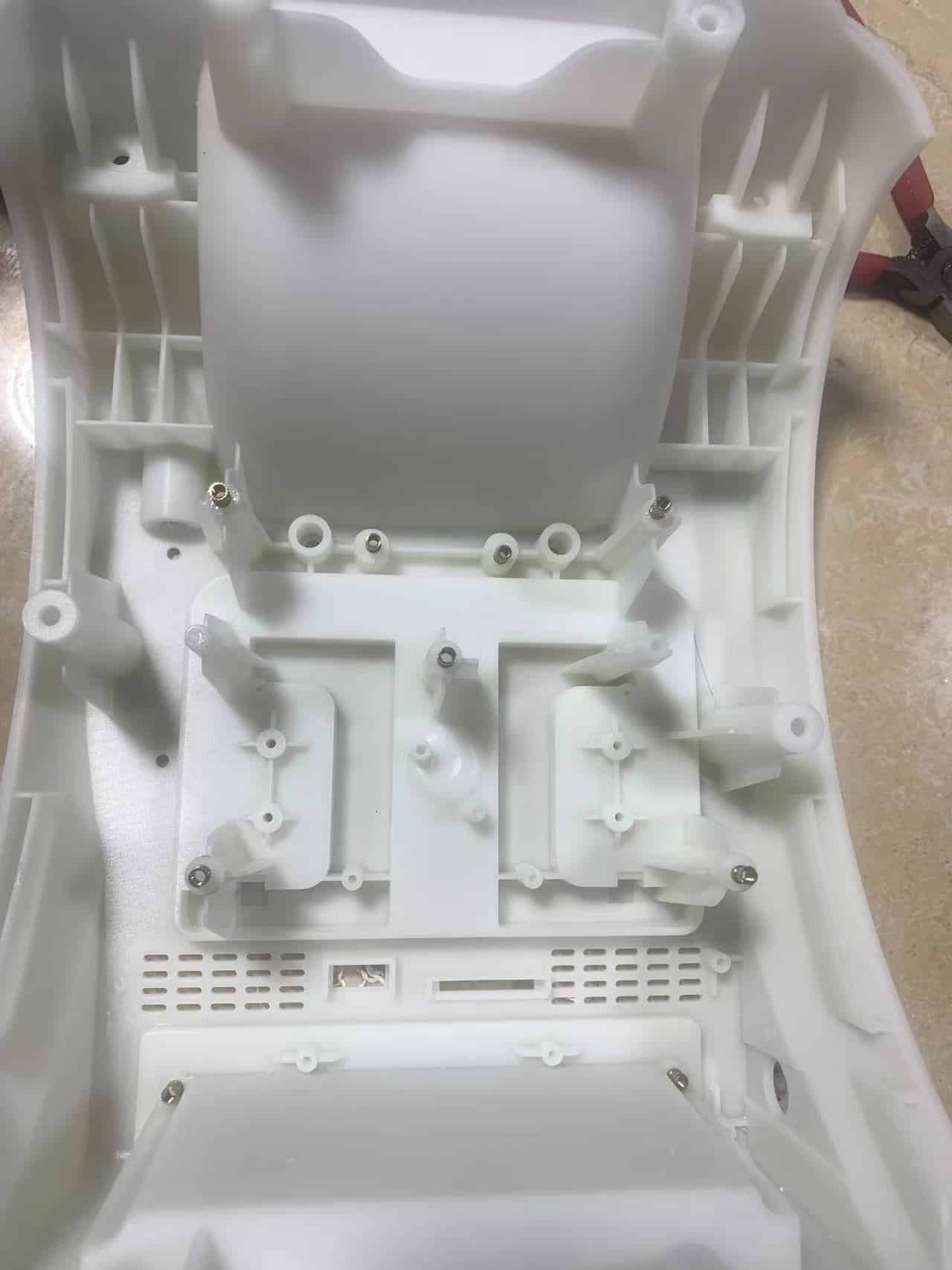
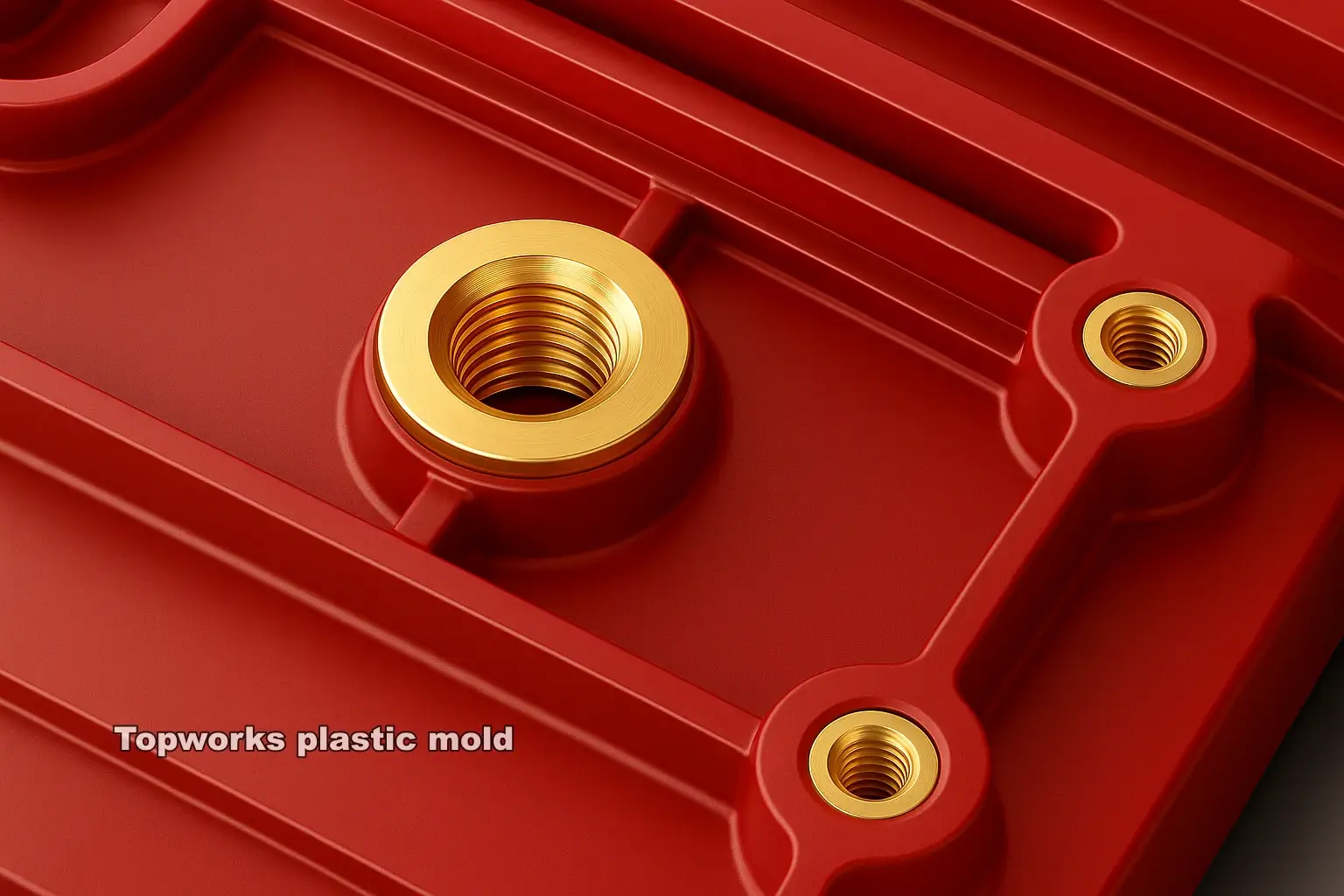
Here’s the thing about plastic – it’s fantastic for many applications, but sometimes you need metal’s muscle. Take threaded connections, for instance. Pure plastic threads? They’ll strip out after a few assembly cycles. But embed a brass or steel threaded insert, and suddenly you’ve got threads that can handle repeated fastening without breaking a sweat. This is exactly why robot parts rely on insert molding at every serviceable joint.
I’ve seen automotive sensors that get bolted and unbolted during maintenance dozens of times over a vehicle’s lifetime. Without metal inserts, those mounting points would be toast within a year.
Kiss Those Assembly Lines Goodbye (Well, Some of Them)
Remember the old days when you’d mold a plastic part, then have workers installing metal components in a separate operation? Insert molding eliminates that entire step. No more pressing in threaded inserts with heated tools. No more ultrasonic welding stations. No more adhesive curing time.
The labor savings alone can be substantial. One client I worked with switched from post-molding insert installation to insert molding and cut their assembly time by 70%. That’s not just time saved – it’s consistency gained. Every part comes out of the mold ready to use.
Reliability That Makes Engineers Sleep Better
When you mechanically assemble components after molding, there’s always variability. Maybe the press-fit insert goes in slightly crooked. Perhaps the adhesive didn’t cure uniformly. With insert molding, the plastic flows around the insert in the controlled environment of the mold, creating consistent bonds every single time.
This reliability matters more than you might think. In medical devices, for example, a loose insert could mean device failure. In automotive applications, it could trigger a warranty claim. Insert molding takes those worries off the table.
Smaller, Lighter, Better
Here’s something that often gets overlooked: insert molding enables incredibly compact designs. When you don’t need extra material for mechanical assembly – no bosses for press-fits, no channels for adhesive – you can shrink your parts significantly.
I recently saw a consumer electronics housing that was redesigned using insert molding. The new version was 30% smaller and 25% lighter than the original mechanically assembled design. In a world where every gram and millimeter counts, that’s huge.
Where Insert Molding Really Shines: Real-World Applications
Electronics: Keeping Connections Secure
Walk into any electronics manufacturing facility, and you’ll see insert molding everywhere. Those USB ports in your laptop? The charging connectors in your phone? Many are held in place by insert-molded housings.
The beauty here is twofold. First, the plastic provides perfect electrical insulation around metal contacts. Second, it creates a moisture barrier that protects sensitive connections. Try pulling apart an insert-molded connector – you’ll need serious force because that metal-plastic bond isn’t giving up without a fight.
Automotive: Built to Last
The automotive industry has embraced insert molding like few others, and for good reason. Under the hood, temperatures swing wildly, vibrations never stop, and everything gets exposed to oil, coolant, and road grime.
Sensor housings are a perfect example. A typical engine sensor might have metal terminals for electrical connections insert-molded into a high-temperature plastic body. The result? A part that can handle 300°F engine bay temperatures while keeping moisture out and connections secure. These aren’t just parts; they’re engineering solutions that need to work flawlessly for 150,000 miles or more.
Medical Devices: Precision Meets Hygiene
In medical applications, insert molding solves unique challenges. Surgical instruments often combine stainless steel cutting edges or tips with ergonomic plastic handles. Traditional assembly might leave gaps where bacteria could hide. Insert molding creates seamless transitions between materials – no crevices, no contamination risks.
I’ve seen surgical tools where the steel blade is insert-molded into a handle designed for eight-hour procedures. The grip never loosens, the blade never shifts, and the whole instrument can be sterilized repeatedly without degradation.
Consumer Products: Durability Meets Design
Ever wondered why your kitchen knives’ handles don’t come loose after years of use? Or why that expensive screwdriver set feels so solid? Insert molding is often the answer.
The process allows designers to create tools that feel premium because they are premium. A steel shaft molded into a ergonomic handle isn’t just comfortable – it’s permanent. No amount of torque or impact will separate those components.
The Technical Ballet: Why Insert Molding Demands Expertise
Now, let’s talk about why not every molder offers insert molding. It’s not because they don’t want to – it’s because this process demands a level of precision that separates good manufacturers from great ones.
Precision Is Everything (And I Mean Everything)
Think about what happens inside that mold. You’ve got a metal insert sitting in a precise location. Then, molten plastic comes rushing in at hundreds of PSI. One tiny misalignment, one moment of excessive pressure, and that insert shifts. Suddenly, your threaded hole is off-center, or worse, plastic has flowed over the threads, making them useless.
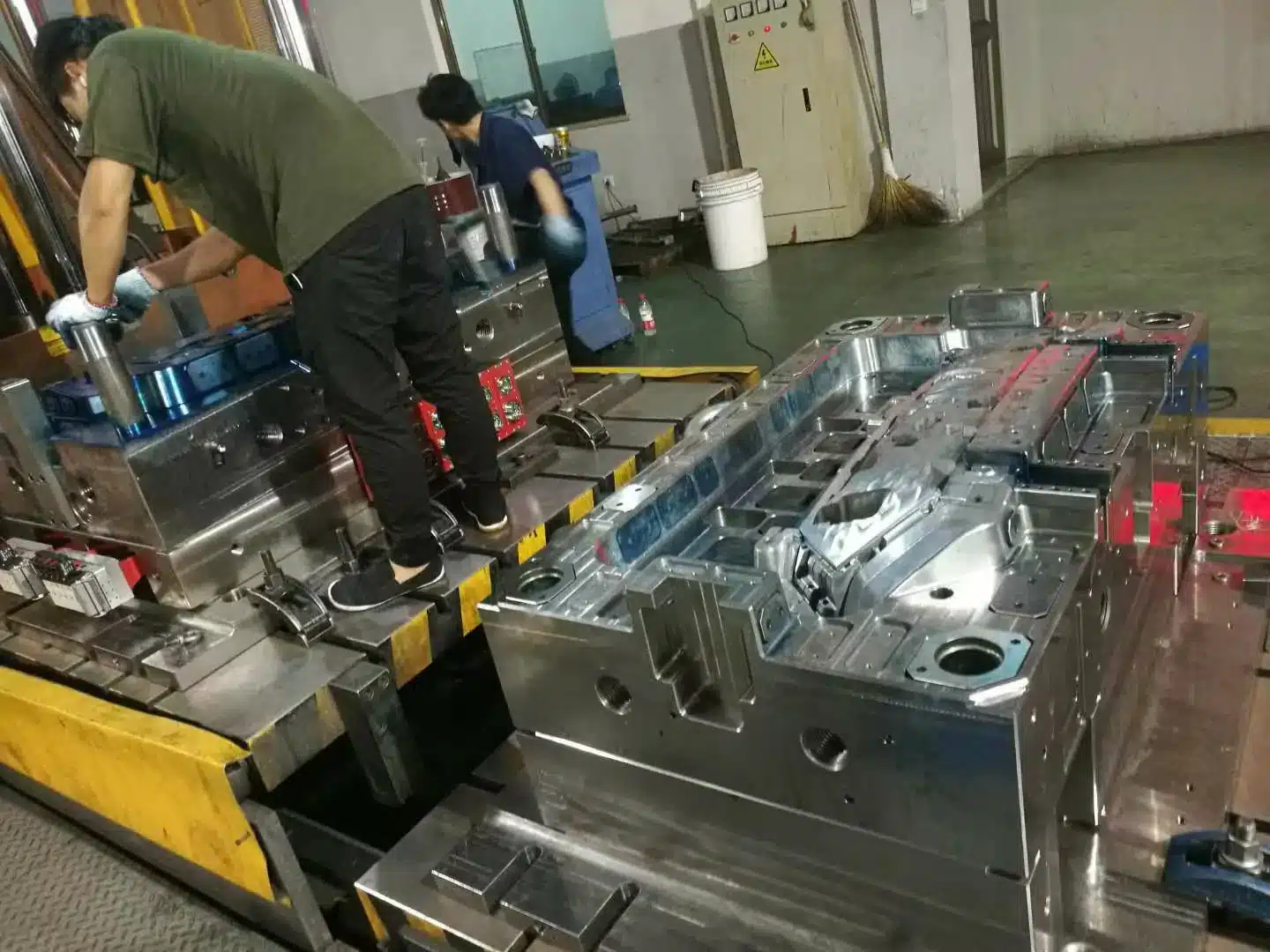
The mold itself needs special consideration. It must hold the insert firmly enough to resist injection pressure but gently enough not to damage delicate features. Some molds use spring-loaded pins, others use vacuum systems, and advanced setups might use magnetic holding for ferrous inserts.
Process Control: The Difference Between Success and Scrap
Temperature control becomes critical. Too hot, and you might damage heat-sensitive inserts or cause excessive flash. Too cool, and the plastic won’t flow properly around complex insert geometries.
Injection pressure and speed need constant monitoring. I’ve seen cases where operators had to adjust parameters for different cavity positions in multi-cavity molds because flow patterns varied slightly. That’s the level of attention insert molding demands.
Automation: Where Robots Earn Their Keep
For high-volume insert molding, automation isn’t just nice to have – it’s essential. But here’s the catch: programming a robot to place inserts reliably is an art form. The robot needs to:
- Pick up inserts from a feeder system
- Verify correct orientation (often using vision systems)
- Place each insert within tolerances measured in thousandths of an inch
- Confirm proper placement before mold closure
- Complete all this in seconds to maintain cycle time
When you see this automation running smoothly, placing thousands of inserts per shift without error, you’re witnessing manufacturing excellence. It’s like watching a Swiss watch – every movement precise, every timing perfect.
What Insert Molding Says About Your Manufacturing Partner
Here’s something clients might not immediately realize: a manufacturer’s insert molding capabilities reveal much more than just their ability to combine metal and plastic. It’s actually a window into their entire operation’s sophistication.
Successfully executing insert molding requires mastery of multiple disciplines. The engineering team must understand material interactions, shrinkage calculations, and stress distributions. The tooling department needs expertise in specialized mold designs. Production requires operators who understand the nuances of process control. Quality control must have systems to verify both placement accuracy and bond integrity.
When a manufacturer shows you their insert molding operations – especially automated ones – they’re really showing you their commitment to precision manufacturing. A company that can reliably place a tiny brass insert within 0.001″ tolerance, surround it perfectly with plastic, and repeat that process thousands of times? That’s a company that has its processes dialed in.
The Bottom Line: When Two Materials Are Better Than One
Insert molding represents something special in manufacturing – a process that seems complex on the surface but makes perfect sense once you understand the value it delivers. It’s not just about combining metal and plastic; it’s about creating products that perform better, last longer, and cost less to produce.
For engineers evaluating manufacturing processes, insert molding often represents the sweet spot between performance and economy. Yes, it requires upfront tooling investment and careful process development. But the payoff – in reduced assembly costs, improved reliability, and enhanced product performance – typically justifies that investment many times over.
The next time you pick up a product that feels impossibly solid, where plastic and metal seem to merge seamlessly, you’re probably holding an insert-molded part. And now you know the precision, expertise, and engineering excellence that went into creating it.
Whether you’re designing consumer products that need to survive daily abuse, medical devices that demand absolute reliability, or automotive components that face extreme conditions, insert molding might just be the manufacturing solution that takes your product from good to exceptional. After all, in a world where products need to do more with less, combining the best properties of different materials isn’t just smart – it’s essential.

