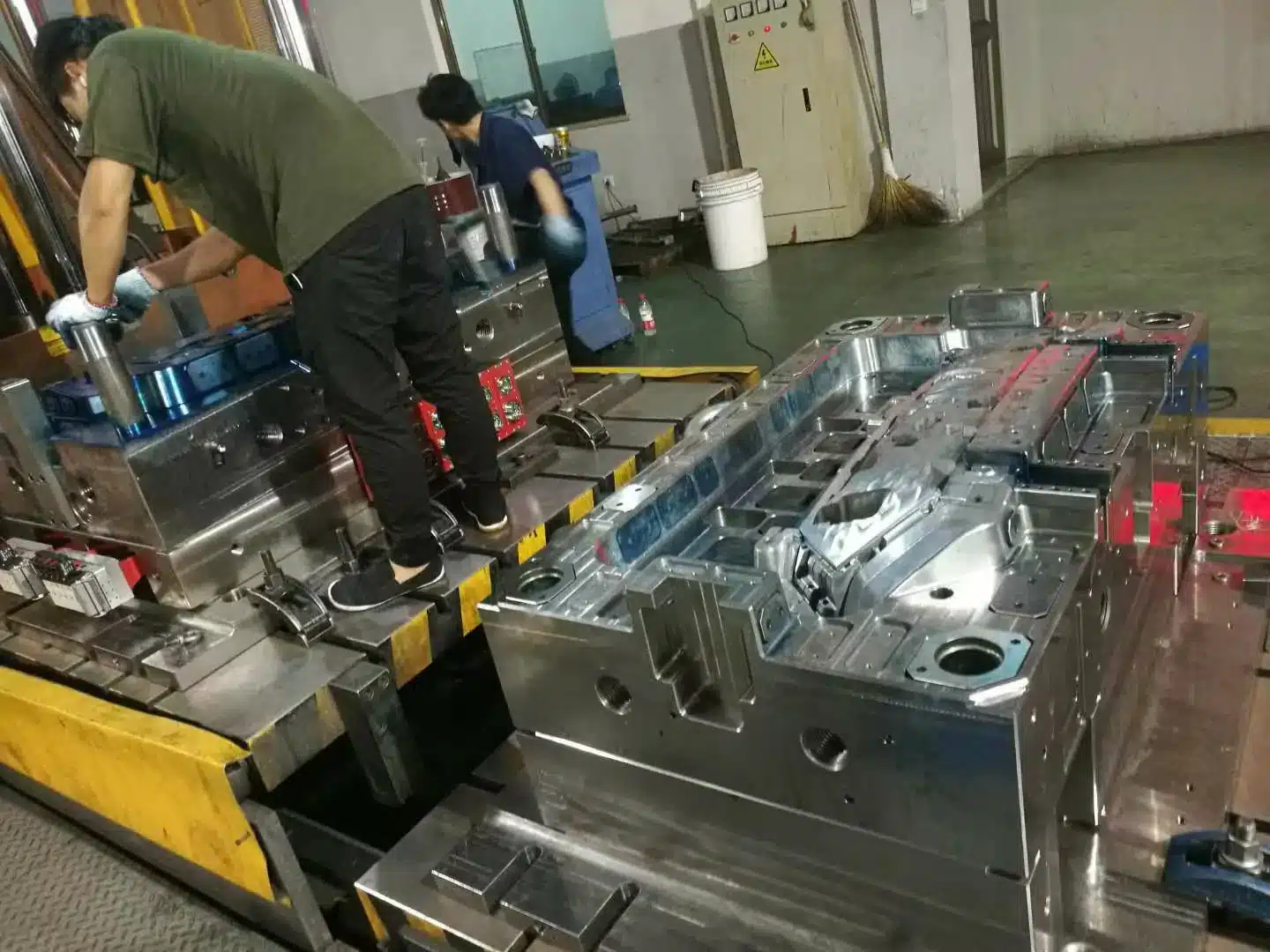

Medical injection molding covers a wide slice of healthcare manufacturing, from disposable syringes to implantable components.
It serves some major industries as well:
- Surgical equipment
- Orthopedic and rehabilitation devices
- Anesthesia products
- Patient monitoring equipment
- Hospital furniture
- Sterilization products
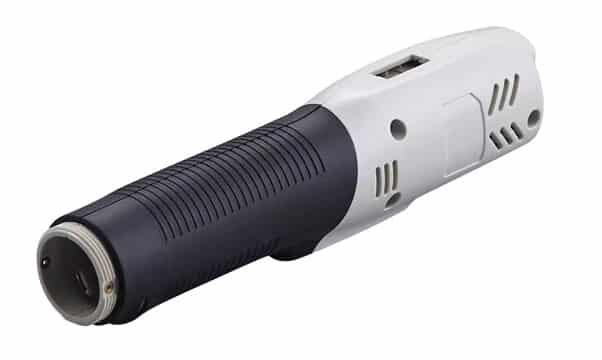


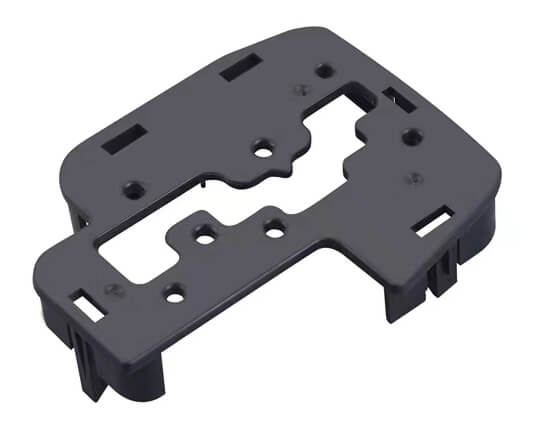
Learn about medical injection molding
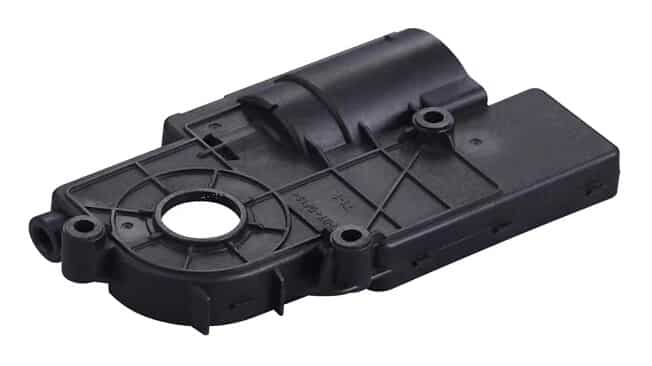
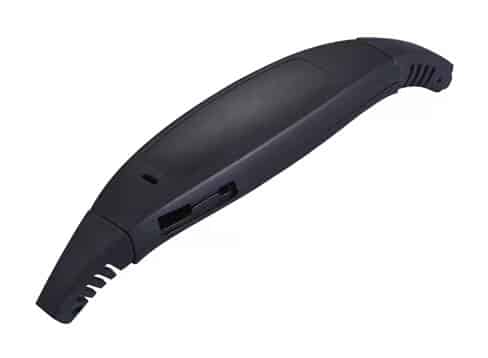
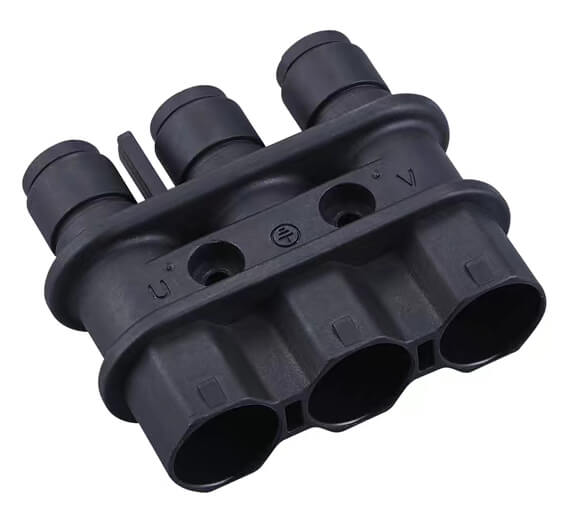
Medical injection molding forms plastic resins into devices such as syringes and surgical tools. The same process also runs cosmetic packaging like lipstick and mascara tubes.
The process holds tight tolerances across millions of identical parts. That repeatability is why it dominates disposable medical devices and implantable components.
Medical Injection Molding Applications
Syringes, IV catheters, tubing, and surgical instruments all run on this process.
Molds built for medical work use hardened steels and polished cavities. The parts come out durable, dimensionally stable, and ready for sterilization.
Implants and other critical devices need that consistency. Once the mold is proven, unit cost drops fast with volume.
Common Resins Used in Medical Molding
The most common resins used in medical injection molding are polyurethane, polycarbonate, PEEK and Teflon.
Polyurethane
An elastomer formed by reacting isocyanates with polyols. It stretches and recovers, with strong tear resistance. Common in catheters, tubing, and wound dressings.
Polycarbonate
A thermoplastic with good impact strength. It survives gamma radiation and electron-beam sterilization. Used in lens implants and transparent housings.
PEEK (Polyether Ether Ketone)
A semi-crystalline thermoplastic with high strength and stiffness. Holds dimensions under load, which suits spinal and orthopedic implants.
Teflon
A fluoropolymer resin known for its non-stick surface. Suits syringes and catheters where bodily fluids contact the device wall.
Pre-production Testing and Validation
Pre-production validation belongs in your quality plan. It runs from basic process checks to full-scale trials of the production tool. The point is simple: prove the process meets the design spec before volume starts.
Pre-production testing includes:
- Detailed drawings of the tooling: parting lines, thicknesses, radii, ejector pin and gate locations
- Electrical requirements for components or subassemblies (e.g., motors and drivers)
- Mechanical requirements for components or subassemblies (e.g., bearings)
Prototyping and Development
Prototyping tests the design before steel gets cut. Product teams use prototypes to check fit, function, and mechanical properties before committing to a production mold.
A prototype can be made in various ways depending on what your needs are for testing purposes. Some common types include:
- Handmade: fast, but rough. Fit and finish suffer, and the model rarely survives handling.
- 3D printed: tougher than handmade. ABS-like resins survive real testing, though they still differ from molded parts.
Design for Manufacturability (DFM)
Design for manufacturability (DFM) means designing parts so they mold reliably at volume. It covers part design, tooling, and assembly. The goal: durable parts at a sane cost.
It shortens development time and cuts manufacturing cost.
For example, a DFM review can cut unneeded tooling components from a part design. Fewer components mean fewer molds and lower tooling cost.
It also lowers the risk of field failures. Parts designed for the process break less and assemble faster.
Start Your Medical Molding Project
Have a medical device to mold? Send us your drawings for a DFM review and quote: Tell us about your part.

