
Intro: Farming in 2026 Isn’t Just “Modern” — It’s Becoming Autonomous
Imagine it’s 2026 and your farm runs more like a finely tuned operating system than a collection of machines. Irrigation adjusts automatically based on soil conditions and weather forecasts. Replacement parts show up faster because they’re standardized, lightweight, and built to last. Your tools feel like they were made for your hands (because they basically were). And more and more decisions — when to irrigate, where to spray, how to route equipment — are being supported by AI.
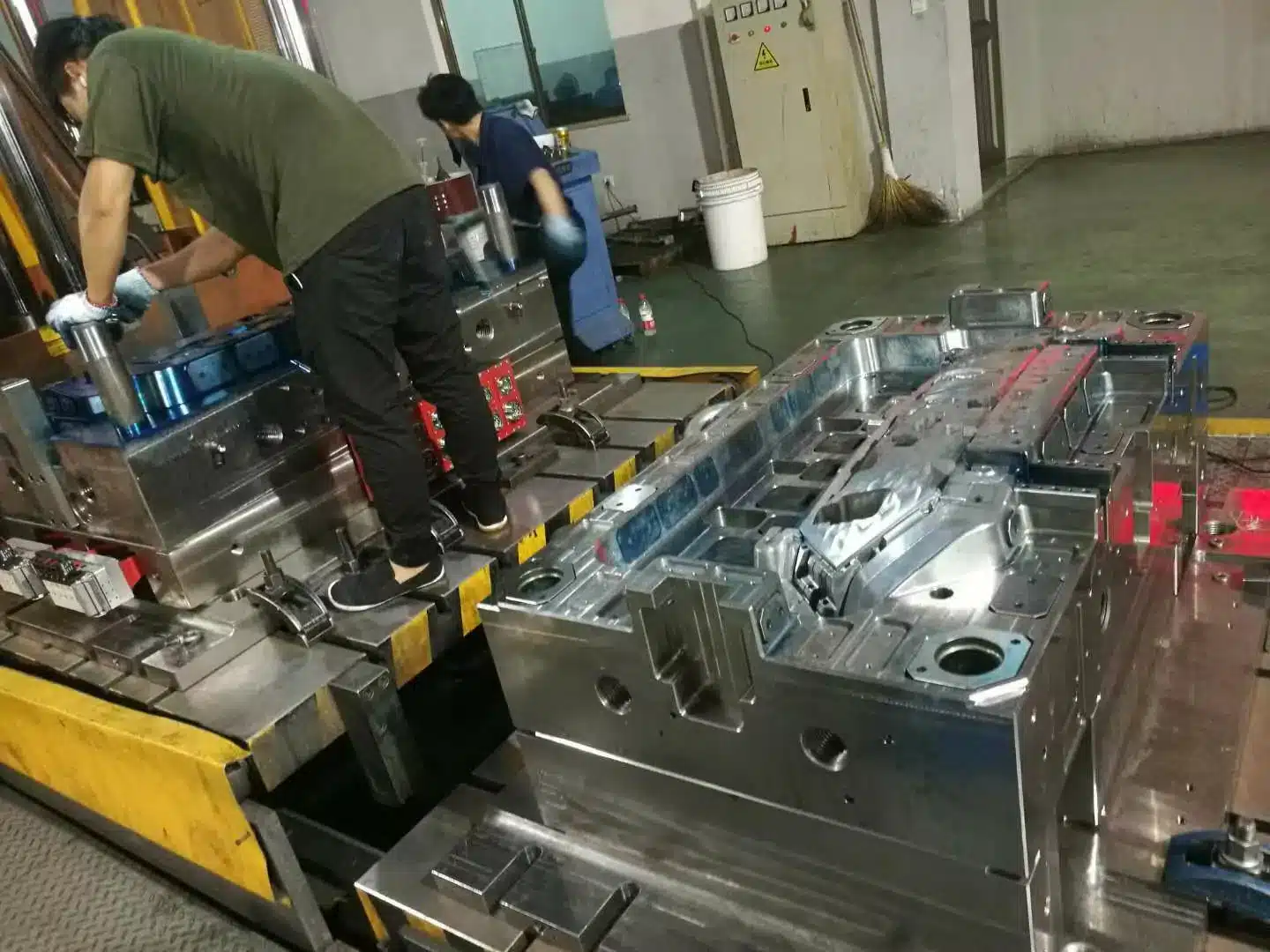
Here’s the surprising part: a lot of that “future farm” reality depends on something that sounds almost old-school — injection molding.
Injection molding isn’t new, but in 2026 it’s showing up everywhere in agriculture because it solves three problems farmers care about right now: cost pressure, sustainability requirements, and compatibility with smart farming tech.
Why Injection Molding in Agriculture Is Surging in 2026
Injection molding has been used for decades to make high-volume parts — everything from medical devices to car interiors. What’s changed is what farming needs in 2026.
Modern agriculture is being pulled in two directions at once:
- Higher efficiency — tighter margins mean downtime and fuel costs hurt more than ever.
- Higher expectations — sustainability, traceability, and compliance are now part of doing business, not just marketing.
Injection molding fits this moment because it produces consistent, durable parts at scale, and it plays nicely with newer materials (recycled polymers, bio-based blends, and high-performance composites). The bigger story in 2026 is how sustainability pressure and technology upgrades are converging across the molding world — a trend breakdown is covered here.
And let’s talk about the big elephant in the barn: AI. In 2026, AI isn’t a buzzword — it’s increasingly baked into farm workflows. But AI needs reliable hardware in the field, and hardware needs parts that can handle dust, moisture, UV exposure, vibration, and temperature swings. That’s where injection-molded components quietly become mission-critical.
The Top 5 Benefits of Injection Molding for Farms in 2026
- Sustainability That’s Actually Practical
In 2026, sustainability isn’t just “use less plastic.” It’s about choosing the right materials for the job: recyclable polymers where longevity matters, and lower-impact options where replacement cycles are frequent. If you’re trying to cut waste and energy use without sacrificing durability, these practical sustainability levers are worth scanning here. - Lower Unit Costs (Once You’re Past the Setup)
The mold is the upfront investment — but after that, parts can be produced quickly and consistently. For farms and ag businesses that need repeatable components (irrigation fittings, guards, housings, clips, handles), injection molding is one of the fastest paths to cost control. - Lightweight, Tough, and Easier on Equipment
Replacing heavy metal components with durable molded alternatives can reduce strain on machinery, improve handling, and even help efficiency — especially in systems where weight impacts fuel use, battery life, or wear over time. - Customization Without the “Custom Price Tag”
Farming isn’t one-size-fits-all — soil, crop types, climate, and workflows vary massively. Injection molding makes it easier to build parts around real-world needs: ergonomic grips, weather-resistant covers, better-fit connectors, modular add-ons, and components designed for quick replacement. - Built for Smart Farming Hardware
In 2026, farms are adding more devices: soil sensors, flow meters, camera modules, edge compute boxes, automated valves, drones, and robotics attachments. Injection molding shines here because it’s perfect for precise protective housings — watertight seals, dust protection, cable routing, snap-fit access panels, and impact resistance.
The 5 Most Common Mistakes Farmers Make with Injection-Molded Parts
Injection-molded components can be amazing — but only if they’re designed and selected properly. Here are the mistakes that cause most “plastic parts failed” stories:
- Picking the Wrong Material for the Environment
UV exposure, chemical contact (fertilizers, pesticides), temperature swings, and constant abrasion will destroy the wrong polymer. Outdoor agriculture needs materials chosen for the field, not the factory floor. - Bad Design That Creates Weak Points
A part can look great in CAD and still fail under stress. Thin walls, sharp corners, poor ribbing, and weak fastening points can cause cracking or warping. Design for real-world loads, not ideal conditions. - Ignoring Maintenance Just Because It’s “Durable”
Molded parts last — but seals, fittings, and exposed components still need inspection. Dirt, grit, and UV aging happen slowly, then suddenly. - Not Thinking About Scaling Up
If you’re building systems that may expand (more lines, more sensors, more automation), standardize parts early. It’s painful to replace a dozen “almost compatible” components later. - Talking Sustainability Without Measuring It
In 2026, the market is moving toward proof: lifecycle, recyclability, sourcing, and waste reduction. If sustainability is part of your brand or your buyer requirements, choose materials and suppliers that can back it up.
How Injection Molding Supports AI-Driven Farming (Without Getting the Credit)
AI is making farms smarter — but the messy truth is that farm environments are harsh on electronics. If your sensor housings crack, your readings fail. If your drone frame can’t handle wind and dust, your mapping schedule slips. If your automated valve housing leaks, the whole “smart irrigation” system becomes expensive guesswork.
That’s why the “boring” stuff matters. Injection molding helps AI actually work in the real world by creating:
- Rugged sensor housings that protect delicate electronics from moisture, dirt, and vibration
- Lightweight drone and robotics components that improve battery life and reduce failure risk
- Precision fittings and connectors that keep irrigation automation accurate and leak-free
- Modular enclosures that make upgrades and field repairs fast (which matters when AI tools evolve quickly)
One of the biggest tech shifts in 2026 is the rise of edge computing in agriculture — processing more data locally when connectivity is spotty. That trend is being actively studied because it improves real-time performance in rural environments (see a recent review here). More edge devices in the field = more need for durable, weatherproof molded housings.
And when you’re exploring greener materials for field hardware, PLA is one option that keeps coming up. If you want a straightforward primer on how PLA behaves in injection molding (and what to watch for), this guide is useful: Polylactic Acid (PLA) Injection Molding.
One More 2026 Shift: Manufacturing Is Getting Smarter Too
It’s not just farms adopting AI — manufacturing is, too. More injection molders are moving toward Industry 4.0 style monitoring and digital process control to reduce scrap, improve consistency, and trace quality across production runs (a solid explainer here). For agriculture, that matters because inconsistent parts can mean leaks, failures, and downtime — the stuff that kills automation projects.
Conclusion: In 2026, the “Future Farm” Is Built From the Ground Up
Injection molding isn’t just a manufacturing method — it’s one of the quiet foundations of modern agriculture. It supports lighter, tougher, more scalable equipment. It makes sustainable materials easier to adopt. And it creates the durable, precise structures that smart farming hardware needs to survive real field conditions.
If 2025 was about “trying out” smarter tools, 2026 is about making them reliable enough to run every day. And that’s where the right parts — and the right manufacturing choices — can make a bigger difference than most people expect.
CTA:Thinking about upgrading a specific system (irrigation, sensor deployment, drone monitoring, equipment retrofits)? Drop a comment with your biggest pain point — and I’ll share a few practical component ideas where injection molding usually delivers the fastest payoff.

