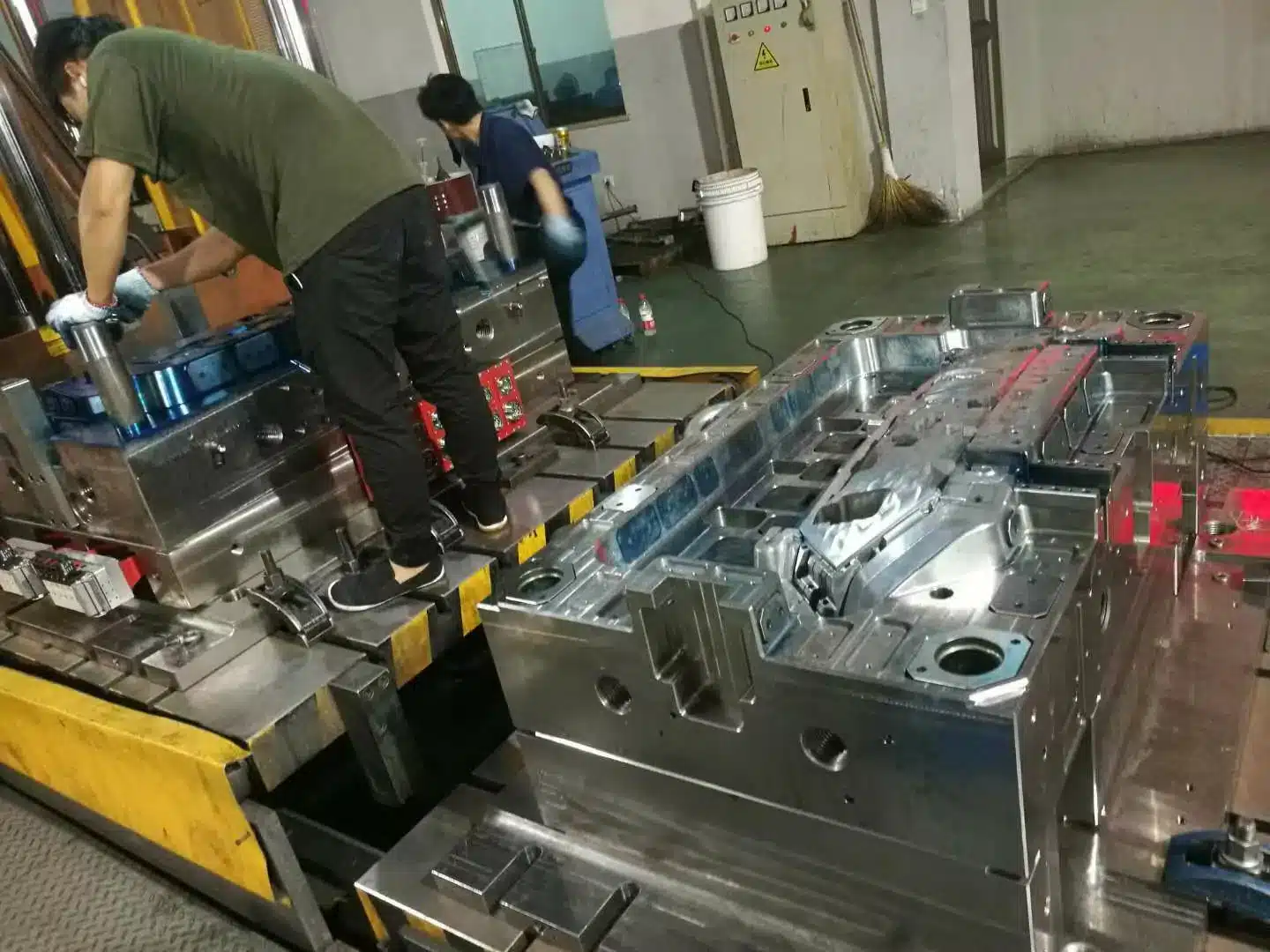

Small businesses buy plastic moulds from China every day. Most pay 30–60% less than a US or European toolmaker would charge. A China plastic mould in aluminium runs $1,500–$8,000 for a first launch. A production-grade P20 steel mould runs $5,000–$20,000. Realistic parts MOQ sits at 100–500 pieces with suppliers who serve smaller buyers. Not the 10,000-unit minimum you were quoted elsewhere.
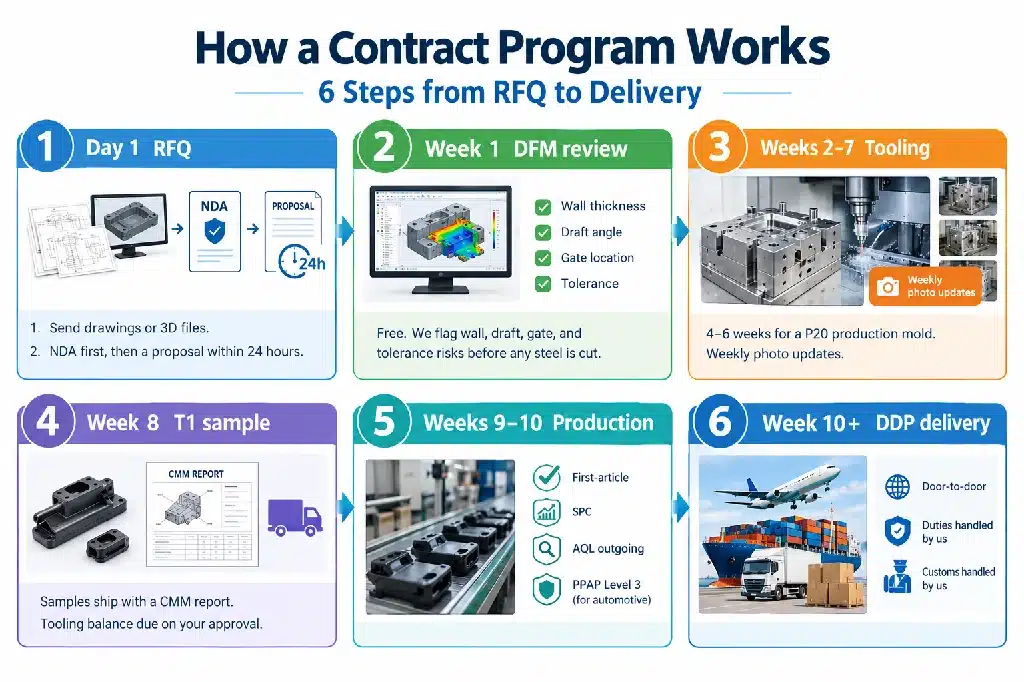
The hard part is not finding a cheap supplier. It is finding an affordable one that still answers your emails after the deposit clears.
- Real cost brackets by tooling type, not a useless $500-to-$100,000 range
- A six-point vetting checklist to run before you sign anything
- The ownership clause that decides whether you own the steel you paid for
Why China Is the Default Choice for Small Business Mould Sourcing
The cost gap is structural, not a temporary discount. Chinese toolmakers buy mould steel, standard mould bases, hot runners and CNC time from one dense supply chain. That chain has been built around tooling for forty years. A comparable tool in Ohio or Bavaria carries three to four times the labour cost. It also pulls components from a much thinner domestic supplier base.
For a small business, that gap is the difference between launching and not launching. A $22,000 tooling quote kills most startup projects. The same tool at $6,500 does not.
Why Location Inside China Changes the Quote
Not all Chinese mould regions price the same. Huangyan District in Taizhou, Zhejiang, is China’s officially recognised “Hometown of Moulds.” Steel merchants, CNC and EDM job shops, polishers, mould base suppliers and test labs all sit within a short drive.
That density shows up in your quote. A Huangyan toolmaker sources a P20 mould base locally, the same afternoon. A Shenzhen shop freights it in and adds margin. For commodity and mid-complexity tooling, Huangyan typically prices [BRACKET: 15–25%] below the Pearl River Delta for equivalent spec. Shenzhen and Dongguan keep an edge on ultra-precision electronics and micro-moulding, where the local ecosystem is stronger.
China vs US, EU and Emerging Alternatives
| Region | Simple single-cavity mould | Mid-complexity mould | Typical build lead time |
|---|---|---|---|
| China (Huangyan/Taizhou) | $1,500–$5,000 | $6,000–$18,000 | 25–45 days |
| China (Shenzhen/Dongguan) | $2,500–$7,000 | $9,000–$25,000 | 25–40 days |
| United States | $8,000–$18,000 | $25,000–$70,000 | 8–14 weeks |
| Western Europe | $10,000–$22,000 | $30,000–$85,000 | 10–16 weeks |
| India | $2,000–$6,000 | $8,000–$22,000 | 35–60 days |
| Vietnam | $2,500–$7,500 | $10,000–$26,000 | 40–65 days |
India and Vietnam are real alternatives for simple tooling. Quote them. Both still lack China’s depth of mould-specific supply chain. That gap shows up as longer lead times and fewer steel grades in local stock.
What Does a Plastic Mould Actually Cost? A Pricing Framework for Small Businesses
A plastic mould runs $800 to $35,000, and the tier you pick sets the number. Most supplier websites give a range so wide it tells you nothing. Think in tooling tiers instead. The tier is the biggest lever on upfront spend. It is also the call small businesses get wrong most often.
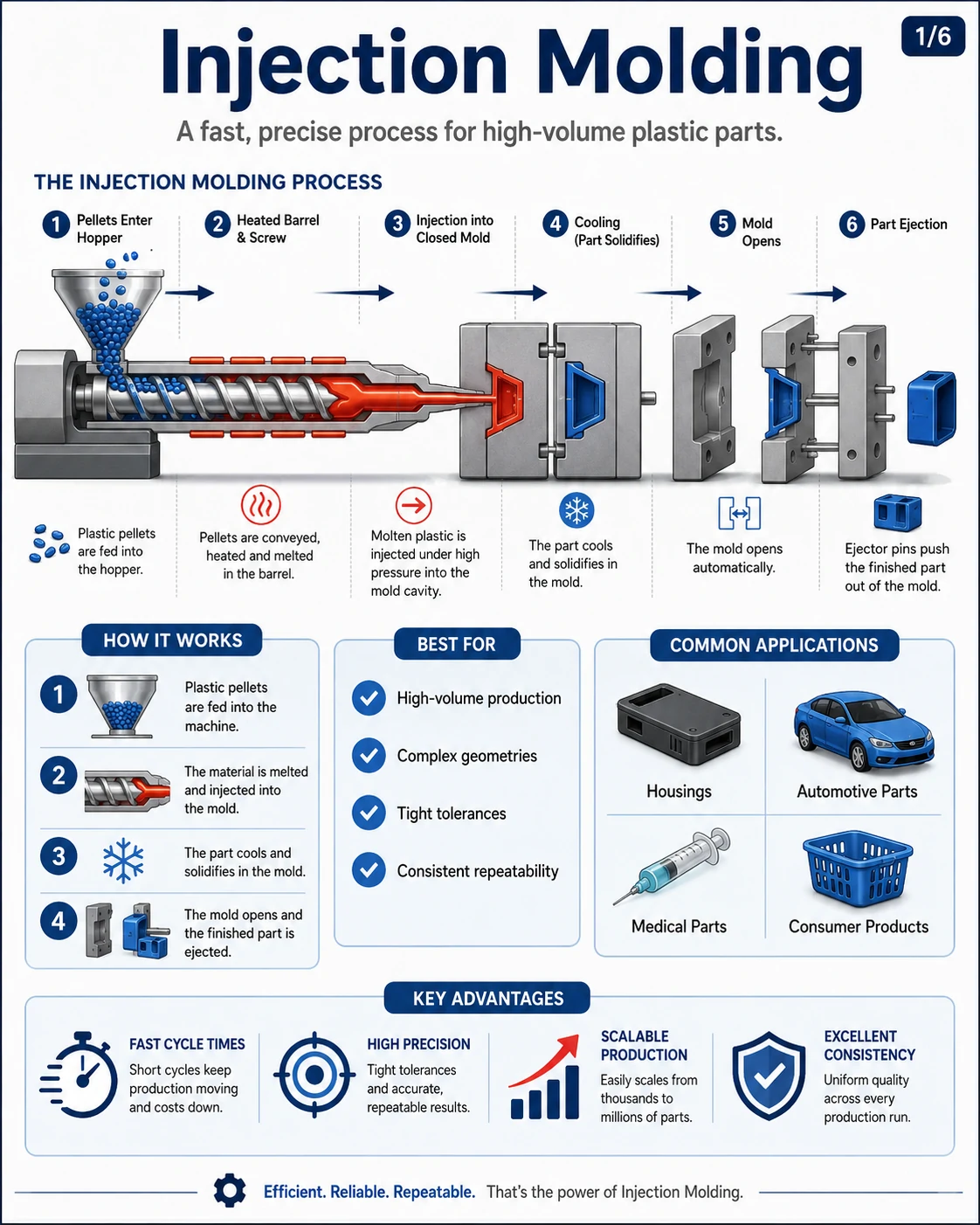
Compare Tooling Tiers Before You Set a Budget
| Tooling type | Upfront cost | Shot life | Build time | Best for |
|---|---|---|---|---|
| Soft tooling / 3D-printed inserts | $800–$2,500 | 200–1,000 | 7–14 days | Concept validation, fit testing |
| Aluminium mould (7075-T6) | $1,500–$8,000 | 5,000–15,000 | 15–25 days | First retail run, crowdfunding fulfilment |
| P20 pre-hardened steel | $5,000–$20,000 | 300,000–500,000 | 25–45 days | Proven product, scaling volume |
| H13 / S136 hardened steel | $8,000–$35,000 | 500,000–1,000,000+ | 35–55 days | High volume, optical or medical grade |
The common small business mistake runs both ways. Some founders buy hardened steel for a product that never sells 5,000 units. Others buy aluminium for a product that takes off, then pay for a second tool six months later. Ask how confident you are in the design, not the sales forecast. Design certainty should drive the tier, not optimism about volume. For what else moves a quote up or down, see our plastic mould tooling cost guide. It includes an interactive cost estimator.
Hidden Costs That Wreck Small Business Budgets
The tooling quote is not the project cost. These are the line items that appear after the deposit and blow first-year budgets:
- Mould changes after T1 cost $500–$3,000 per round. Alter wall thickness, add a boss, or move a parting line after the steel is cut. You pay for it. Some suppliers include one revision round. Ask before you sign.
- Air freight for samples is $150–$400 a shipment, more for large parts. Sea freight adds 25–35 days, so most projects fly samples and ship production by sea.
- Import duty is the volatile line for US buyers. Section 301 tariffs and shifting trade policy can move your landed cost between quote and delivery. Check current rates against your HTS code with the Office of the United States Trade Representative before you commit.
- Secondary operations are almost never in a tooling quote. Painting, pad printing, ultrasonic welding, assembly and packaging each add $0.15–$1.50 per unit.
- A VDI or Mold-Tech texture is a separate charge, usually $200–$800 by area and pattern.
Ask every supplier for an all-in landed cost per unit at your target quantity, not just tooling and piece price. Suppliers who will not produce that number are usually the ones with surprises waiting.
Three Realistic Budget Scenarios
| Scenario | Tooling | Part cost | Freight + duty | Total first run |
|---|---|---|---|---|
| A. Validating a concept 500 units, aluminium mould | $2,800 | $1.90 × 500 = $950 | ~$450 | ~$4,200 |
| B. DTC brand launch 2,500 units, aluminium mould | $5,200 | $1.40 × 2,500 = $3,500 | ~$900 | ~$9,600 |
| C. Scaling an SME product 10,000 units, P20 4-cavity | $12,500 | $0.85 × 10,000 = $8,500 | ~$2,200 | ~$23,200 |
These assume a palm-sized ABS part of moderate complexity with no undercuts or side actions. Add a slide mechanism and tooling rises 20–40%. Move to a glass-filled engineering resin and both tooling and part cost rise again. Treat these as planning anchors, not quotes.
MOQ Reality Check for Small Orders
Minimum order quantity is where most small business enquiries die. A factory built for 200,000-piece automotive runs will quote you 10,000 units. A 500-unit run costs them more in changeover than they make on the job. That is not obstruction. It is arithmetic. Approach suppliers whose business model already includes small buyers.
SME-friendly suppliers quote a 1 mould minimum for tooling. Expect 100–500 pieces for a first production run on that mould. Using an existing tool for parts only, the typical floor is 500–1,000. Our low volume injection moulding service page sets out how prototype, bridge and production tooling paths differ.
Factory or Trading Company? It Decides Your MOQ
A trading company does not control the press. It brokers your job to a factory, adds 15–30%, and passes along that factory’s MOQ. For a small order that is doubly bad. You pay a margin and you inherit the higher minimum.
Signs you are talking to a middleman rather than a factory:
- They cannot answer a technical question without “checking with the engineer,” every time.
- They decline a live video walk of the shop floor, or the footage is always pre-recorded.
- Their capability list spans injection moulding, die casting, sheet metal, PCB assembly and packaging.
- The business licence address is an office building, not an industrial park.
- Quotes swing day to day on the same specification, with no explanation.
- They will not name the machines that will run your job, by tonnage, brand and quantity.
- An Alibaba “Gold Supplier” or “Verified” badge is offered as proof of manufacturing. Those badges verify payment and registration, not that anyone owns a machine.
Trading companies are not automatically bad. A good one adds real value in project management and English communication. Just know which you are paying for, and price it accordingly.
Four Ways to Reduce Your Effective MOQ
- Run a prototype-to-bridge path. Build soft or aluminium tooling, run 200–300 units, and sell them. Then commit to steel with real demand data. It is the best de-risking move a small business has.
- Use a family mould. Put three or four related parts in one tool. You share one tooling cost and one setup across the product. That cuts upfront spend and effective per-part MOQ. It works well for a housing with a lid and base.
- Start single-cavity. Run a one-cavity tool and add cavities later if the design takes an interchangeable insert. Raise this at the DFM stage. It has to be planned in, not retrofitted.
- Consolidate a shipment. Combine your parts run with another order to hit a freight-efficient volume. Some suppliers hold parts and ship on your schedule, at no storage cost for short periods.
How to Vet a China Mould Supplier Before You Send Any Money

