
Sourcing Guide · Automotive Tooling
Car Trim Mould Sourcing from China: A Buyer’s Guide to Cost, Categories, and Suppliers in 2026
Quick answer. A car trim mould from a competent Chinese factory typically runs USD 3,000 to 50,000+ depending on the trim category, part size, cavity count, and cosmetic finish. Door trim panels sit around USD 15k–40k, pillar and dashboard trims USD 8k–50k, small clips and vents USD 3k–8k. Lead time runs 6–14 weeks. The three things that decide whether you get a good deal or a headache: steel selection, hot runner spec, and IATF 16949 process discipline — not the sticker price on the quote.
I have been quoting car trim moulds for buyers in the US, Germany, Italy, Mexico, and Australia for two decades now, out of Huangyan — the town in Zhejiang where more than half the listings on Alibaba for “car trim mould” are physically built. Same street, sometimes same steel supplier, wildly different quotes. This guide is what I would tell a procurement engineer sitting across from me at the factory before they wire the deposit.
It is written for buyers, not for car owners looking at chrome edge guards on Amazon. If you landed here looking for a replacement trim strip, this is the wrong page. If you are sourcing the tool that stamps out those trims by the hundred thousand, keep reading.
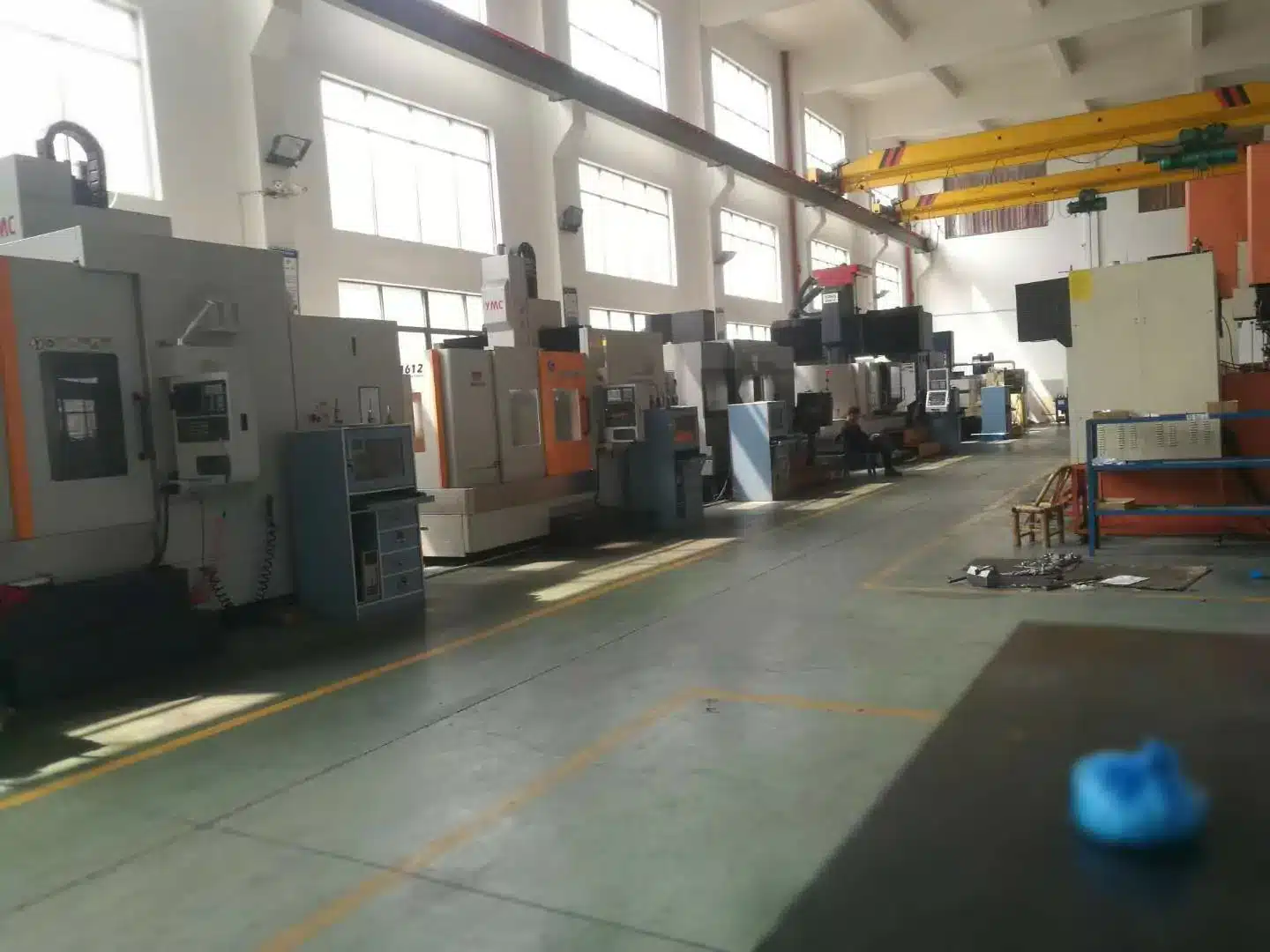
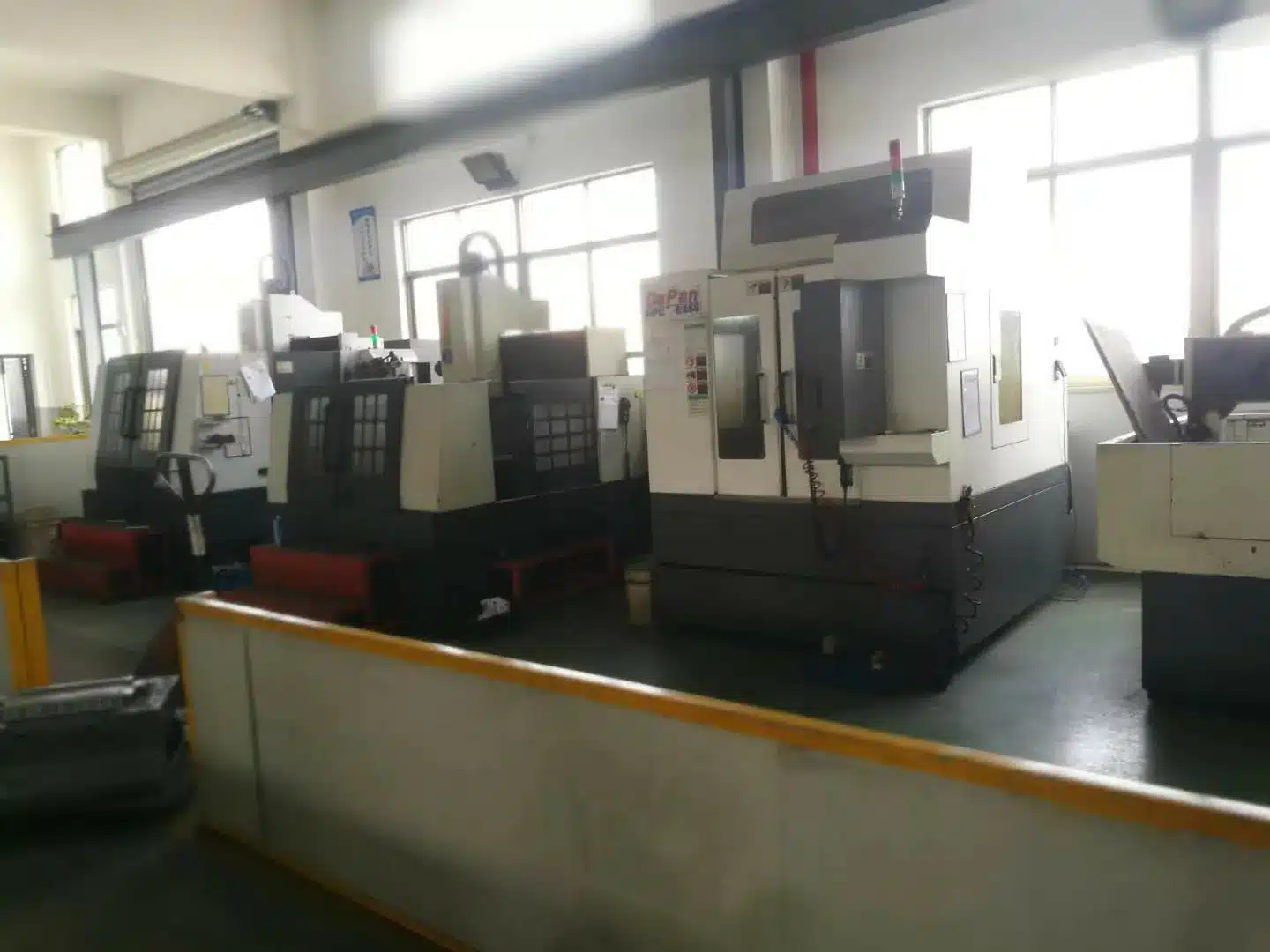
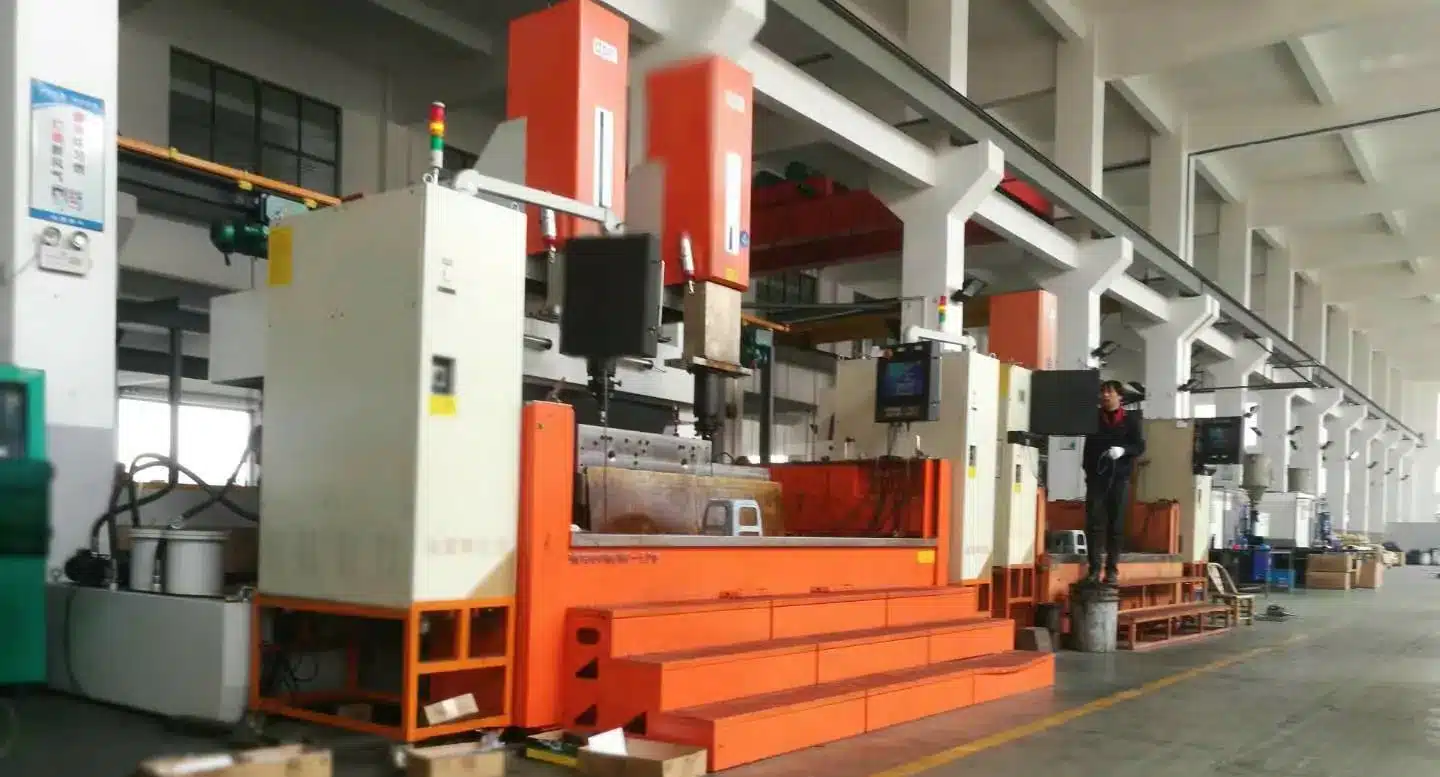
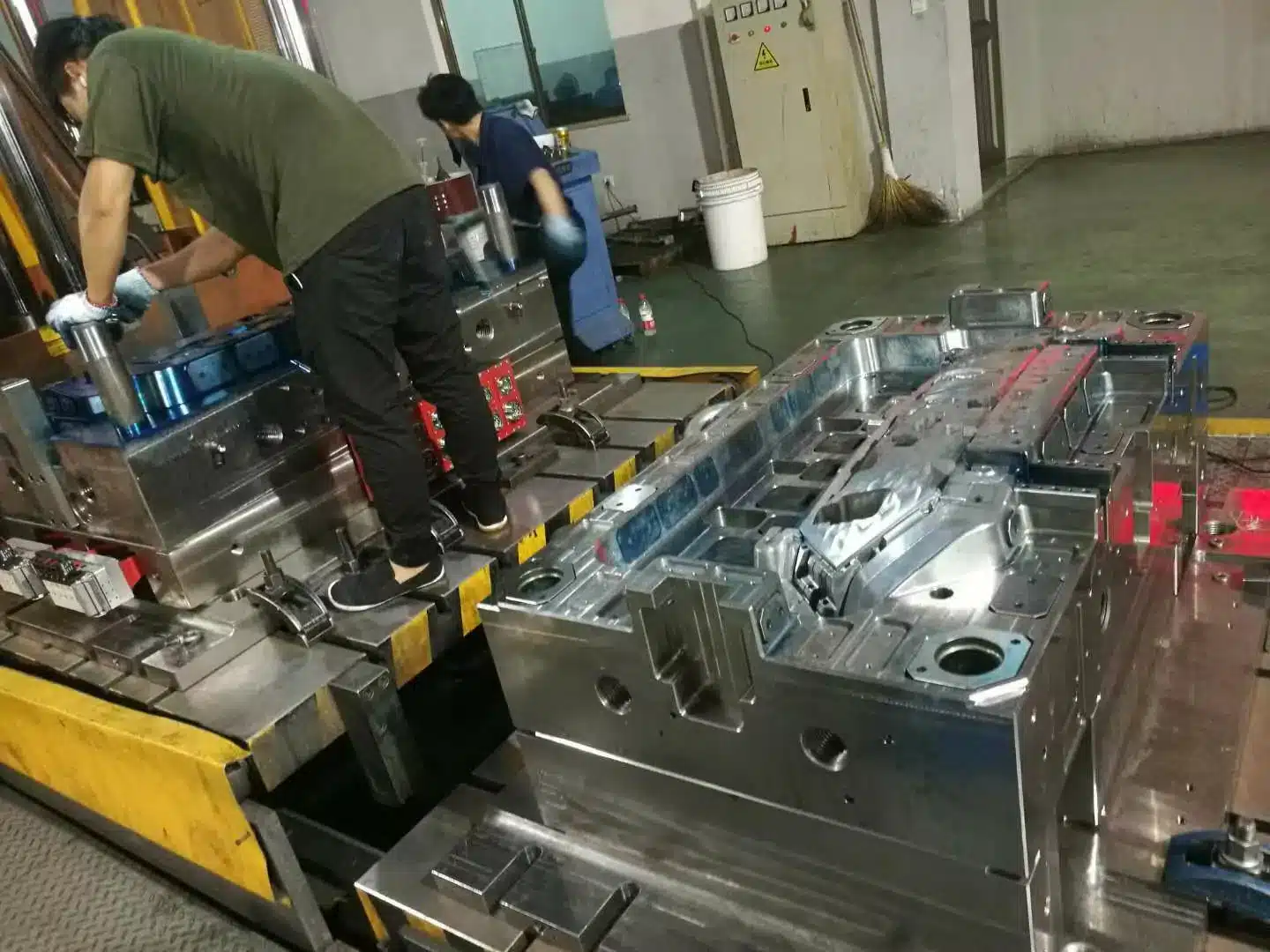
Table of Contents
- What “car trim mould” actually means to a buyer
- The seven car trim mould categories, priced honestly
- Cost breakdown: what you are really paying for
- Steel selection: P20, 718H, H13, S136, BeCu
- IATF 16949 and when it is worth paying for
- How to evaluate a Chinese car trim mould supplier
- Lead time expectations, honestly
- Negotiation and payment terms that protect you
- FAQ
What “car trim mould” actually means to a buyer
A car trim mould is the steel injection tool that produces a plastic trim part on a vehicle — interior door panel, A/B/C pillar cover, dashboard fascia, window frame surround, side skirt, wheel arch flare, grille surround, center console trim. It is not the trim part itself. It is the master. One mould, ten years of parts, if you build it right.
The word “trim” is what makes the search noisy. Consumers use it for chrome strips and rubber edge guards. Buyers like you use it for the tooling that produces cabin and body-side cosmetic plastics. Most of the Chinese suppliers listed on Alibaba under this keyword sit in Taizhou, Ningbo, Dongguan, or Shenzhen — with Taizhou (specifically Huangyan district) holding the deepest cluster of interior-trim tooling shops in China. That geography matters when you plan factory visits and when you compare quotes.
The seven car trim mould categories, priced honestly
Grouping trim moulds by cabin location tells you more about the quote than grouping by material. Here is how I sort them when a buyer sends me a mixed RFQ. Each category behaves differently on cost, lead time, and where the sneaky line items hide.
1. Interior Door Trim — USD 15,000 to 40,000
The full inner door panel. Usually the largest single trim piece in the cabin, often engineered as a 2K overmould where the armrest area needs a soft-touch TPE skin bonded to a rigid PP carrier. This is where OEM buyers spend the most and where aftermarket buyers get burned the most often.
- Typical parts: full front and rear door panels, armrest carrier, speaker grille zone, map pocket, door pull cup.
- Difficulty: high. Class-A cosmetic surface, large tonnage press (800–1500T), often 2K overmoulding, valve-gate hot runner mandatory for good weld line management.
- Steel recommendation: 718H core and cavity, S136 inserts on high-gloss zones.
- Where cost hides: whether the quote includes the 2K second-shot tooling or only the rigid carrier. Also whether the hot runner is valve-gate (correct) or hot-tip (cheaper but leaves gate marks buyers reject).
- Realistic price: USD 15,000 for a single-shot rear door aftermarket tool; USD 25,000–40,000 for a 2K OEM-tier front door; USD 40,000+ for anything with in-mould decoration (IMD) or ambient light integration.
2. Pillar Trim (A / B / C Pillars) — USD 8,000 to 25,000
The plastic covers running along the windshield and roof frame. Small in area but structurally loaded — the B-pillar cover carries the seatbelt guide and, in most modern vehicles, contains a designed tear seam for the side curtain airbag.
- Typical parts: A-pillar cover, B-pillar upper and lower, C-pillar cover, D-pillar on SUVs and wagons.
- Difficulty: medium-high. Thin wall (2.0–2.5 mm), long flow length, airbag-tear-seam features if the vehicle uses side curtain airbags.
- Steel recommendation: P20 for aftermarket; 718H for OEM; H13 inserts on the tear-seam zone if applicable.
- Where cost hides: the airbag-tear-seam feature. If your part has one, the mould needs a laser-scored insert or a matched tolerance controlled to ±0.05 mm. Factories quoting “no problem” without asking about tear-seam are guessing.
- Realistic price: USD 8,000–12,000 for a plain aftermarket A-pillar cover; USD 15,000–25,000 for a full B-pillar OEM tool with airbag-tear-seam and integrated seatbelt guide boss.
3. Dashboard / Instrument Panel — USD 20,000 to 50,000+
The largest tool in the cabin program and usually the last to reach PPAP. Dashboards fight you on tonnage, on fit-and-finish tolerance to the surrounding plastics, and on cosmetic surface quality across a huge visible area.
- Typical parts: upper IP skin, IP substrate, glove box lid, glove box housing, HVAC vent bezels, center stack surround.
- Difficulty: high. Very large tonnage (1500–2500T), tight assembly tolerance to windshield gasket and A-pillar covers, Mold-Tech texture across a large cosmetic surface.
- Steel recommendation: 718H core and cavity, BeCu inserts at thick boss zones to keep cycle time reasonable.
- Where cost hides: texture cost is brutal on IP skins — a full VDI-30 Mold-Tech texture on a dashboard cavity can add USD 3,000–6,000 alone. Also the number of slides and lifters is always higher than the buyer thinks.
- Realistic price: USD 20,000–30,000 for a glove box lid tool; USD 35,000–50,000 for an IP skin; USD 50,000+ for anything with integrated ambient lighting or wood-grain IMD.
4. Window & Belt-Line Trim — USD 5,000 to 15,000
The long, thin strips that run along the window frame — the black-out belt strip below the glass, the chrome bright molding above it, and the corner cap covers. Long parts, short flow distance across the section — the tooling looks simple and then surprises you on plating cost if it is bright-finished.
- Typical parts: upper window frame chrome molding, lower belt-line black-out strip, quarter window corner caps.
- Difficulty: medium. Long parts (600–1200 mm), sometimes better produced by extrusion than injection, but injection remains standard for shaped ends.
- Steel recommendation: P20 for black-out belt strips; S136 for anything going to plating or a Class-A polished finish.
- Where cost hides: the chrome bright molding usually needs plating after injection. That is a downstream cost, not a mould cost — but if you did not budget for it, the finished part price triples. Ask your supplier who handles plating.
- Realistic price: USD 5,000–8,000 for a plain black-out belt strip; USD 10,000–15,000 for a plating-grade chrome window molding.
5. Exterior Body-Side & Wheel Arch Trim — USD 8,000 to 20,000
The side skirts, wheel arch flares, and mudguard covers. Outside the cabin, so no cosmetic Class-A surface, but exposed to UV, road stone impact, and washing chemicals. Material selection matters more than surface finish here.
- Typical parts: side skirt, wheel arch flare, mudguard cover, lower cladding, running board end caps.
- Difficulty: medium. Larger parts, UV-stable material (usually TPO or talc-filled PP), often painted body-color after moulding.
- Steel recommendation: H13 or 718H — the talc-filled and glass-filled resins used here are abrasive and will eat P20 tooling faster than most buyers expect.
- Where cost hides: whether the part is textured (grained) or paintable smooth. Body-color painted parts require a smoother polish, which costs more to prepare on the cavity.
- Realistic price: USD 8,000–12,000 for a wheel arch flare; USD 12,000–20,000 for a full-length painted side skirt.
6. Small Interior Clips, Vents & Buttons — USD 3,000 to 8,000
The category buyers underestimate. Individually small, but the tool needs to be built for high cavitation because these parts ship by the hundred thousand. A 16-cavity vent louvre mould at USD 6,000 is a bargain per shot — the same tool built as 2-cavity for USD 3,000 is a trap.
- Typical parts: HVAC vent louvres, ambient light housings, seat control buttons, trim clips, cup holder inserts, door lock knob housings.
- Difficulty: low-medium per part, but cavitation and cycle time are the real cost drivers. High-cavity tools require balanced runners and precise EDM work.
- Steel recommendation: S136 for anything visible; P20 for hidden clips and retainers.
- Where cost hides: cavity count. Ask for a cost-per-part calculation at your annual volume, not just the tooling price. A 16-cavity tool at USD 8,000 running a 30-second cycle beats a 4-cavity tool at USD 4,000 every time on annual volume above 100,000 pieces.
- Realistic price: USD 3,000–5,000 for a 2- to 4-cavity clip or button tool; USD 6,000–8,000 for an 8- to 16-cavity vent louvre or HVAC bezel.
7. Grille & Badge Surround — USD 10,000 to 30,000
The front grille frame and the emblem carrier. Almost always plating-grade or high-gloss painted, which pushes the cavity polish and steel selection into premium territory. The tool itself is medium-complex, but the surface finish requirements make the finished quote look aggressive.
- Typical parts: front grille frame, grille slats, emblem surround, radar cover behind the badge on ADAS-equipped vehicles.
- Difficulty: medium-high. Plating-grade SPI-A1 or SPI-A2 finish required, tight fit to the bumper opening, sometimes translucent zones for illuminated badges.
- Steel recommendation: S136 mandatory for plating-grade finish. Anything else and the chrome layer lifts within 12 months of UV exposure.
- Where cost hides: the polish alone. A true SPI-A1 mirror polish on a grille cavity can add USD 2,000–4,000 to the tooling cost. Factories that quote “high polish” without specifying the SPI grade are being deliberately vague.
- Realistic price: USD 10,000–15,000 for an emblem surround; USD 18,000–30,000 for a full grille frame with slats.
Cost breakdown: what you are really paying for
Every quote you get is a stack of five costs. When a Taizhou factory quotes you USD 6,000 and a Ningbo factory quotes USD 12,000 for what looks like the same part, the delta is almost never margin. It is one of these five lines.
- Steel — 30–45% of the mould cost. P20 pre-hardened is baseline. H13 for abrasive glass-filled resin. S136 for cosmetic surfaces. This is where cheap quotes hide.
- Machining hours — CNC roughing, 5-axis finishing, EDM burn, wire cut. A door panel core-and-cavity typically eats 300–600 CNC hours.
- Hot runner — Yudo, Mold-Masters, INCOE. A single-drop hot runner adds USD 800–2,000. A valve-gate 8-drop for a door panel can add USD 8,000–15,000.
- Surface treatment — Mold-Tech texture (VDI grades), polish (SPI-A1 through C1), plating prep. A mirror polish alone can add USD 2,000 on a large cavity.
- Trial and tuning — T0 sample, dimensional report, texture correction, T1/T2 shots, sometimes T3. Any factory that quotes “one trial included” and stops there is hiding the real number.
When I sit with a buyer and open a competitor’s cheap quote line by line, the pattern is boring and consistent: P20 quoted where 718H should be, no valve-gate, single trial, no dimensional report. The USD 6,000 quote becomes USD 11,000 by the time you get parts that pass PPAP. And you lose four weeks arguing about it.
Steel selection: P20, 718H, H13, S136, BeCu
Steel is the one decision that follows the tool for its entire life. Get it wrong and you are either paying too much upfront or eating rework at shot 200,000.
| Steel | Hardness (HRC) | Best for | Expected mould life (shots) |
|---|---|---|---|
| P20 (1.2311) | 28–32 | General trim, low-to-mid volume, non-abrasive resin (PP, ABS) | 300,000 – 500,000 |
| 718H (1.2738HH) | 33–38 | Door panels, dashboards — better toughness in large cavities | 500,000 – 800,000 |
| H13 (1.2344) | 48–52 | Glass-filled PP, PA-GF trim, wheel arch, undercar | 800,000 – 1,500,000 |
| S136 (1.2083) | 48–52 | Cosmetic Class-A, plating-grade grille, transparent lenses | 800,000 – 1,500,000 |
| Beryllium copper (BeCu) | — | Local cooling inserts on thick armrest bosses, cycle-time critical zones | Insert only, not full mould |
My default for interior trim panels aimed at Western OEM tiers is 718H, with S136 inserts where a cosmetic surface meets a shut-off. For a Tier-2 aftermarket customer running 50,000 shots a year of a rear pillar cover, P20 is perfectly fine and I will not upsell them. The mistake is buyers who let the factory choose steel silently — the choice always drifts to whatever is on the rack that week.
IATF 16949 and when it is worth paying for
IATF 16949 is the automotive quality management standard. For interior trim, it is the reason your Tier-1 buyer will not sign off on a mould from a non-certified shop even if the parts look identical. The certification forces the factory to run PPAP documentation, control plans, measurement system analysis, and traceability on the tool itself.
Practical filter. If you are supplying an OEM or Tier-1 program, insist on IATF 16949. If you are producing for aftermarket or refit, ISO 9001 is usually enough and you save 10–15% on tooling cost. Do not pay OEM-tier prices for aftermarket-tier documentation you will never open.
How to evaluate a Chinese car trim mould supplier
I will say the quiet part out loud: the Alibaba listing tells you almost nothing. Everyone claims IATF 16949, everyone shows a photo of a 5-axis Makino they may or may not own, everyone says “20 years experience.” Here is the shortlist I would use if I were the buyer.
- Location tells you a lot. Huangyan (Taizhou) and Ningbo dominate interior trim tooling. Dongguan and Shenzhen lean toward consumer electronics housings with automotive as a side business. Neither is bad — but a Dongguan shop quoting a door panel for the first time should raise a flag.
- Ask for a customer list with contactable references. Not logos. Names, programs, phone numbers. A real Tier-2 supplier can produce this in an afternoon.
- Request a T0 report from a past project. Not the marketing brochure — the actual dimensional report with green and red cells. Shops that cannot produce one have not run PPAP-grade projects.
- Look at the tool room, not the showroom. During a factory visit, ask to see moulds mid-machining and moulds mid-trial. The state of the shop floor is honest even when the salesperson is not.
- Verify the hot runner brand on a real tool. Yudo, Mold-Masters, INCOE, Synventive — these are the brands you want. HRS or unknown Chinese brands are fine for non-cosmetic parts, but should be flagged on Class-A trim.
- Payment terms are the truth serum. A serious factory will accept 30% / 30% at T0 / 40% after part approval. A factory demanding 50% / 50% at T0 is telling you they do not have cash flow to eat corrections. Walk.
Lead time expectations, honestly
| Trim category | Realistic lead time (deposit to T0) | To PPAP-ready parts |
|---|---|---|
| Small interior clip / vent | 4–6 weeks | 6–8 weeks |
| Pillar trim | 6–8 weeks | 9–12 weeks |
| Window & belt-line trim | 6–8 weeks | 9–11 weeks |
| Grille & badge surround | 7–10 weeks | 11–14 weeks |
| Exterior body-side / wheel arch | 7–10 weeks | 11–14 weeks |
| Interior door trim panel | 8–12 weeks | 12–16 weeks |
| Dashboard / IP | 10–14 weeks | 16–20 weeks |
Any factory promising 3 weeks on a door panel is either lying or subcontracting. Steel needs to be ordered and heat-treated, 5-axis machining runs are non-trivial, and the T0 shot has to happen on the right press. Compressing this timeline is possible with an extra shift and a premium — but compressing it silently is how you end up with a mould that fails at shot 30,000.
Negotiation and payment terms that protect you
A few things that consistently save my buyers money and heartburn:
- Split the payment: 30% deposit, 30% at T0 approval, 40% after PPAP-grade parts. Not 50/50.
- Write the steel spec into the PO. “P20 or equivalent” is not a spec. “718H, HRC 33–38, certificate of origin required” is a spec.
- Specify the hot runner brand and type. “Hot runner included” is not enough — write “Yudo valve-gate, 8-drop” or equivalent.
- Require a dimensional report at T0. Non-negotiable. A CMM report on the critical dimensions.
- Ask for the mould base standard — DME, HASCO, or Chinese LKM. LKM is fine for most jobs; just know what you are getting.
- Own the tool. Make sure the PO says the mould is your property and can be shipped on demand. This matters more than buyers realize until they try to move production.
Want a second-opinion quote on your car trim mould?
Send me your 3D file (STEP or IGES) and the annual volume. I will send back a line-item quote, a steel and hot-runner recommendation, and my honest read on whether your current quote is fair — no obligation. We build interior and exterior trim moulds in Huangyan for buyers across the US, EU, and Australia, and we can turn around a written response within 48 hours.
Frequently Asked Questions
How much does a car trim mould cost from China?
Between USD 3,000 for a small interior clip mould and USD 50,000+ for a full dashboard or large 2K door panel tool. Interior door trim panels typically land in the USD 15,000–40,000 range, pillar and grille surrounds USD 8,000–30,000, and small clips or vents USD 3,000–8,000. The variables that move the price are steel grade, cavity count, hot runner spec, and cosmetic finish requirements — not the factory’s margin.
What is the lead time for a car door trim mould?
Realistically 8–12 weeks from deposit to T0 sample, and another 3–4 weeks to reach PPAP-ready parts. Anyone promising less than 6 weeks on a full door panel is either subcontracting or cutting corners on steel and cooling.
Which region of China is best for car trim moulds?
Huangyan (Taizhou), Zhejiang has the deepest cluster of interior-trim tooling shops in China, followed by Ningbo. Dongguan and Shenzhen dominate consumer electronics and lean lighter on automotive interior trim, though there are exceptions. Locate suppliers where the specialty lives.
Do I need an IATF 16949 supplier for car trim moulds?
If you are supplying an OEM or Tier-1 program, yes — non-negotiable. If you are producing aftermarket or refit parts, ISO 9001 is usually enough and you save 10–15% on tooling cost by not paying for OEM-tier documentation you will not use.
What steel should I specify for a car door trim mould?
718H is the default for interior door panels aimed at Western OEM tiers, with S136 inserts where cosmetic surfaces meet shut-offs. For aftermarket volumes under 200,000 shots per year, P20 is adequate. H13 is used for glass-filled resins and abrasive materials such as wheel arch trim.
What payment terms should I insist on?
30% deposit, 30% at T0 approval, 40% after PPAP-grade parts. A factory demanding 50/50 at T0 is telling you they do not have the cash flow to absorb corrections and rework. That is a signal to walk, not to negotiate.
How many shots will a car trim mould last?
P20 tools produce 300,000–500,000 shots. 718H reaches 500,000–800,000. H13 and S136 can run 800,000–1,500,000 shots. Actual life depends on process stability, material abrasiveness, maintenance schedule, and whether the tool is running cosmetic or hidden parts.
Conclusion
Sourcing a car trim mould from China is not risky — sourcing it without a checklist is. The quote is the last thing to compare, not the first. Steel, hot runner, and IATF 16949 discipline decide whether your USD 20,000 tool runs for a decade or fights you at every trial.
Everything I have written here is the conversation I would have with you in person at the factory in Huangyan. If you want that conversation for real — on your specific part, your specific volume, your specific target vehicle — send the file over.
— Steven Cheng, Topworks Plastic Mold, 20 years in injection molding.

