
I’ve spent years on the China side of the OEM/ODM world, and I read a Reddit thread last week that I’ve seen play out dozens of times. The story is always some version of this:
“We received initial prototypes — poor quality. We sent them back for revision, and since then the factory has gone silent for months. They still showcase our project publicly but ignore all communication. We’ve sent multiple follow-ups, formal emails with deadlines, tried to escalate, looked for legal help. Nothing works.”
If you’re a foreign buyer reading this, I want to tell you something most sourcing blogs won’t: the factory isn’t ignoring you because they’re evil, lazy, or scamming you. In 90% of these cases, the silence has a very specific cause — and once you understand it, both recovering this project and preventing the next one becomes much more straightforward.
Let me walk through it from the inside.
Why Factories Actually Go Silent
In Chinese business culture, silence is rarely a strategy. It’s almost a symptom. Here are the real reasons, in rough order of frequency.
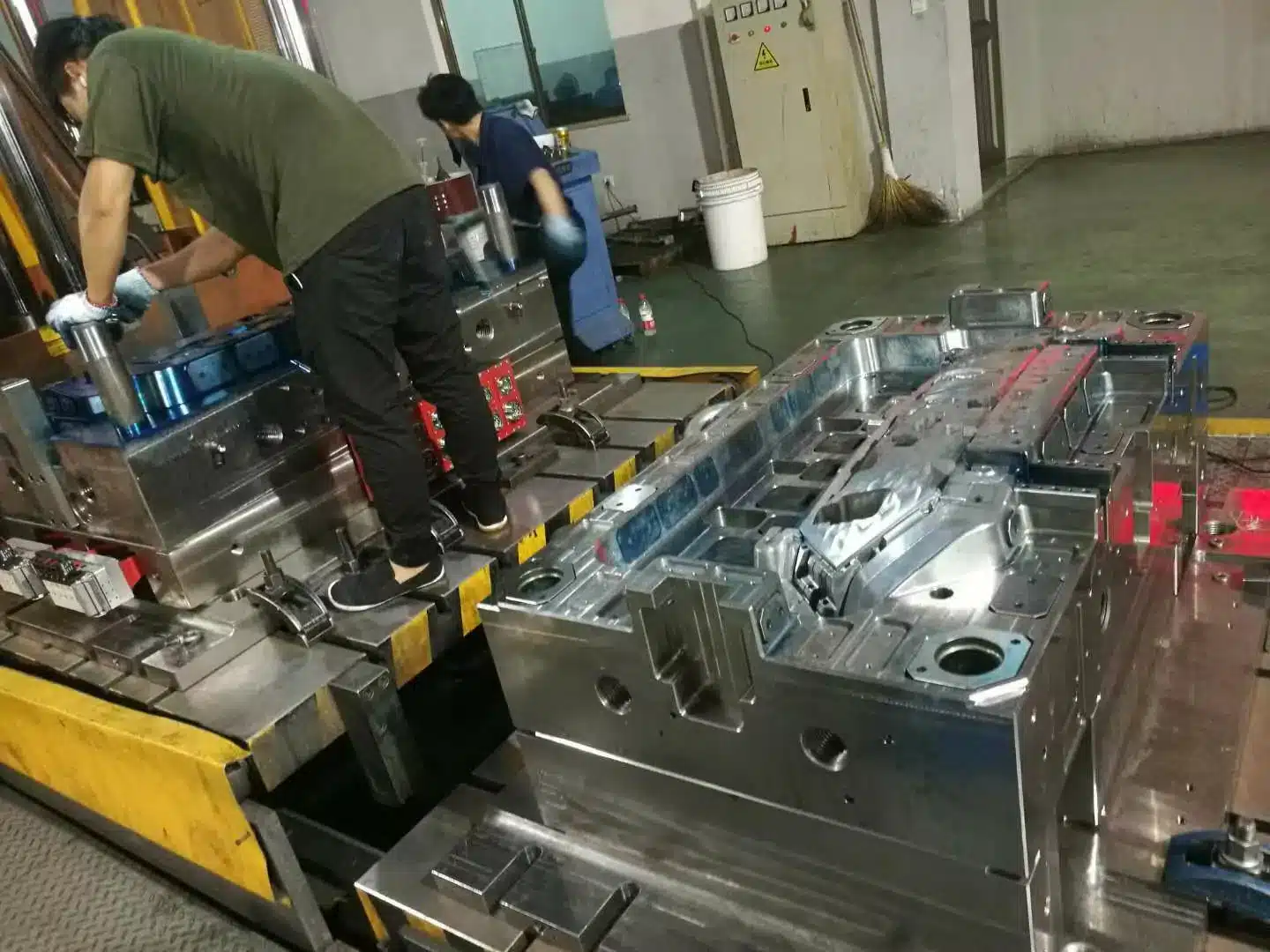
1. They can’t fix the prototype. This is the single biggest cause and almost nobody talks about it. The factory quoted your project assuming they could deliver. When the first prototype came back bad and you rejected it, they tried to fix it internally — and discovered they don’t actually have the tooling precision, the right material supplier, or the engineering capability to meet your spec. Now they face a choice: admit the failure (which means losing face, refunding deposits, and explaining to the boss why they took the order), or quietly stop responding and hope you go away. Many choose the second.
2. Your order is too small to prioritize. If your MOQ was a “favor” the sales rep agreed to, and a bigger client just dropped a 50,000-unit PO, your prototype work is now sitting at the bottom of the engineer’s queue. The sales rep knows this and is avoiding you because they have no good answer.
3. The sales contact left the company. This happens more than you’d believe. Chinese factory sales staff turn over constantly. Your dedicated rep — the one with all your specs, files, and history in their personal WeChat — is gone. Nobody internally has picked up the file because nobody knows it exists.
4. Financial distress. 2025 has been brutal for Chinese export manufacturing. Tariff pressure, foreign buyers shifting to other jurisdictions, and tightening credit have left many factories scrambling to survive. Some factories are quietly insolvent — they can’t afford to spend engineering hours on a non-revenue prototype loop.
5. They’ve decided to keep your IP and walk. This is the worst-case scenario and it does happen. They liked your design enough to feature it publicly (which is why you still see it on their website), and they may be quietly producing it for someone else, or planning to. This is rare but real. Knowing the red flags when sourcing injection moulding in China before you begin can help you avoid factories that are prone to this behavior.
The reason this matters: your recovery strategy depends entirely on which of these you’re dealing with, and the same email blast won’t solve all five.
How to Actually Recover the Situation
Stop sending formal English emails with deadlines. I know that feels like the professional thing to do, but in a Chinese factory context it does almost nothing. Here’s what actually works.
Get on WeChat, not email. Email goes to a generic sales inbox that nobody monitors when things get awkward. WeChat goes to a phone in someone’s pocket. If you have the personal WeChat of anyone at the factory — sales, the boss, an engineer, an interpreter who once joined a call — message them directly. Keep it short, neutral, and human. Not “per my previous correspondence we expect a response within 5 business days,” but “Hi Lily, it’s been a while. How are things? Are you still handling our project?” You’re trying to re-establish a person, not enforce a clause. Understanding the cultural dynamics of working with Chinese suppliers will help you strike exactly the right tone in these moments.
Find someone above your sales rep. Search the factory on Alibaba and LinkedIn. Identify the general manager, the boss, or the export manager. In Chinese factories, the boss (老板, lǎobǎn) has near-total authority and frequently doesn’t know that a project has stalled until a foreign customer reaches them directly. A polite message — ideally in Chinese, even if machine-translated — directly to the boss often breaks a months-long silence within 48 hours.
Send a Chinese-speaking intermediary. Hire a sourcing agent in the factory’s city for one or two days. Have them physically visit the factory. Cost: a few hundred dollars. Result: you learn, in one afternoon, whether the factory still exists, whether your project files are still on someone’s desk, and whether there’s any path forward. This single step has resolved more “ghosted” situations than every lawyer’s letter ever written.
Reframe the conversation. When you do reconnect, do not lead with grievance. Do not list every failed deadline. The factory already knows they let you down — that’s why they went silent. Instead, offer them a graceful exit: “We understand this project may have become difficult. We’d like to either restart with a clear plan, or end things cleanly with the tooling and files returned. Which works better for you?” This gives them face and gives you back control.
About the public showcase. If they’re still displaying your product on their website while ignoring you, send one clear message to the boss: “Please remove our product from your marketing materials by [date], or we will file a formal complaint with the platform and pursue trademark action.” Alibaba’s Intellectual Property Protection platform takes these complaints seriously and will pull the listings. This usually gets a fast response — sometimes faster than anything else you’ve tried.
Legal action — be realistic. Suing a small Chinese factory from abroad is rarely economical. But that doesn’t mean legal pressure is useless. A well-drafted letter from a Chinese law firm, sent in Chinese to the factory’s registered address, costs a few hundred dollars and produces a very different reaction than an English letter from a foreign firm. The factory’s boss now sees a real, local, credible threat.
How to Prevent This From Ever Happening Again
Now the more important part. If you’re going to keep manufacturing in China, here’s what the buyers who don’t get ghosted are doing differently.
Sign an NNN agreement before sending a single CAD file. Not an NDA — an NNN (Non-Disclosure, Non-Use, Non-Circumvention) drafted under Chinese law, in Chinese, enforceable in a Chinese court. Buyers routinely send CAD files, drawings, samples, and customer information to multiple factories before anyone has signed an NNN, which means those factories are holding the buyer’s product roadmap with no obligations attached. This is the single most preventable mistake in the entire industry. The World Intellectual Property Organization (WIPO) provides guidance on protecting trade secrets in cross-border manufacturing relationships that every buyer should review before engaging overseas suppliers.
Separate prototype contracts from production contracts. The Reddit poster’s situation happened during prototype development, which is exactly the phase most buyers handle with the least documentation. If your product still needs to be engineered, prototyped, tested, and accepted, you’re in development territory and need a Product Development Agreement — not a manufacturing agreement, and definitely not a factory-provided template. The PDA should specify: who owns the prototype IP, what happens if revisions fail, refund conditions, file return obligations, and what the factory may and may not display publicly.
Structure payments to keep leverage. Pay in stages tied to deliverables, not calendar dates. A reasonable structure for new suppliers: 30% on order confirmation, 30% on approved golden sample, 30% on mid-production inspection pass, 10% after final inspection. The factory always has skin in the game, and you always have a reason for them to pick up the phone. For a deeper look at how to structure this process, see our guide on buying injection molding from China.
Vet the factory like it actually matters. Before signing, get someone on the ground. A one-day audit costs less than $500 in most Chinese industrial cities and tells you whether the factory is real, whether they actually make your category, and whether the engineer they introduced you to actually works there. Verify business licenses, ask for references from existing foreign clients, and search for any prior trademark disputes filed against them. Our breakdown of the 10 most common mistakes when sourcing molded parts from China covers exactly why skipping this step costs buyers so dearly.
Build the relationship before you need it. The foreign buyers who get the fastest responses, the best quality, and the lowest ghost rates are the ones who visit the factory, share meals with the boss, send Chinese New Year greetings, and treat the relationship as ongoing rather than transactional. This isn’t soft skills — it’s the actual infrastructure that keeps your project from being deprioritized when something goes wrong. Read our full guide on how to work effectively with Chinese injection molding teams for practical, field-tested advice on making this work. The US-China Business Council’s resources on doing business in China also offer valuable frameworks for managing these long-term supplier relationships.
The Honest Bottom Line
Most “ghosting” situations are not malicious. They’re the predictable result of a factory that overpromised, a buyer who underdocumented, and a communication system (email, English, formal escalation) that fits neither side. Recovery is usually possible — but it requires switching channels, finding the right person, and giving the factory a way to save face while still protecting your interests.
And prevention is almost entirely about the boring stuff you do before the first prototype ships: the NNN, the PDA, the payment structure, the on-the-ground verification, the WeChat contact for the boss. Get those right, and ghosting becomes a problem you read about on Reddit rather than live through yourself.

