
Smart Logistics and Supply Chain Optimization in China’s Injection Molding Industry
Over the past few years, injection molding in China has grown into a pillar of global manufacturing. The sector mass-produces plastic parts for automotive and consumer electronics. As demand grows, so does supply chain complexity. The question for manufacturers: how do you keep up with rapid change and keep the supply chain lean at the same time?
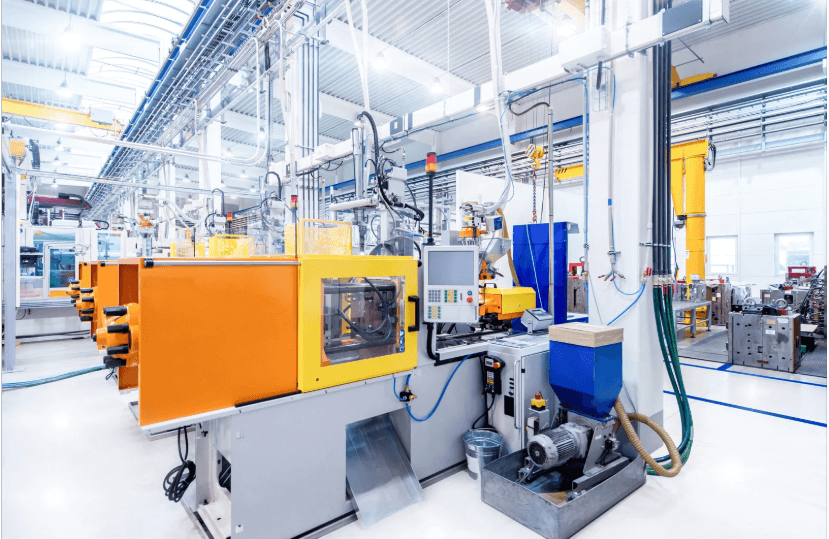
The injection molding sector in China keeps growing, and with it the pressure on supply chains. Manufacturers now juggle labor shortages, rising costs, and tighter delivery expectations at the same time.
This is where smart logistics and supply chain optimization are required. Automation, real-time data, and predictive analytics can be used to maximize efficiency, minimize waste, and remain competitive. It is time to examine in more detail how these high-tech solutions are changing the injection molding industry in China.
The Situation in the Injection Molding Industry in China
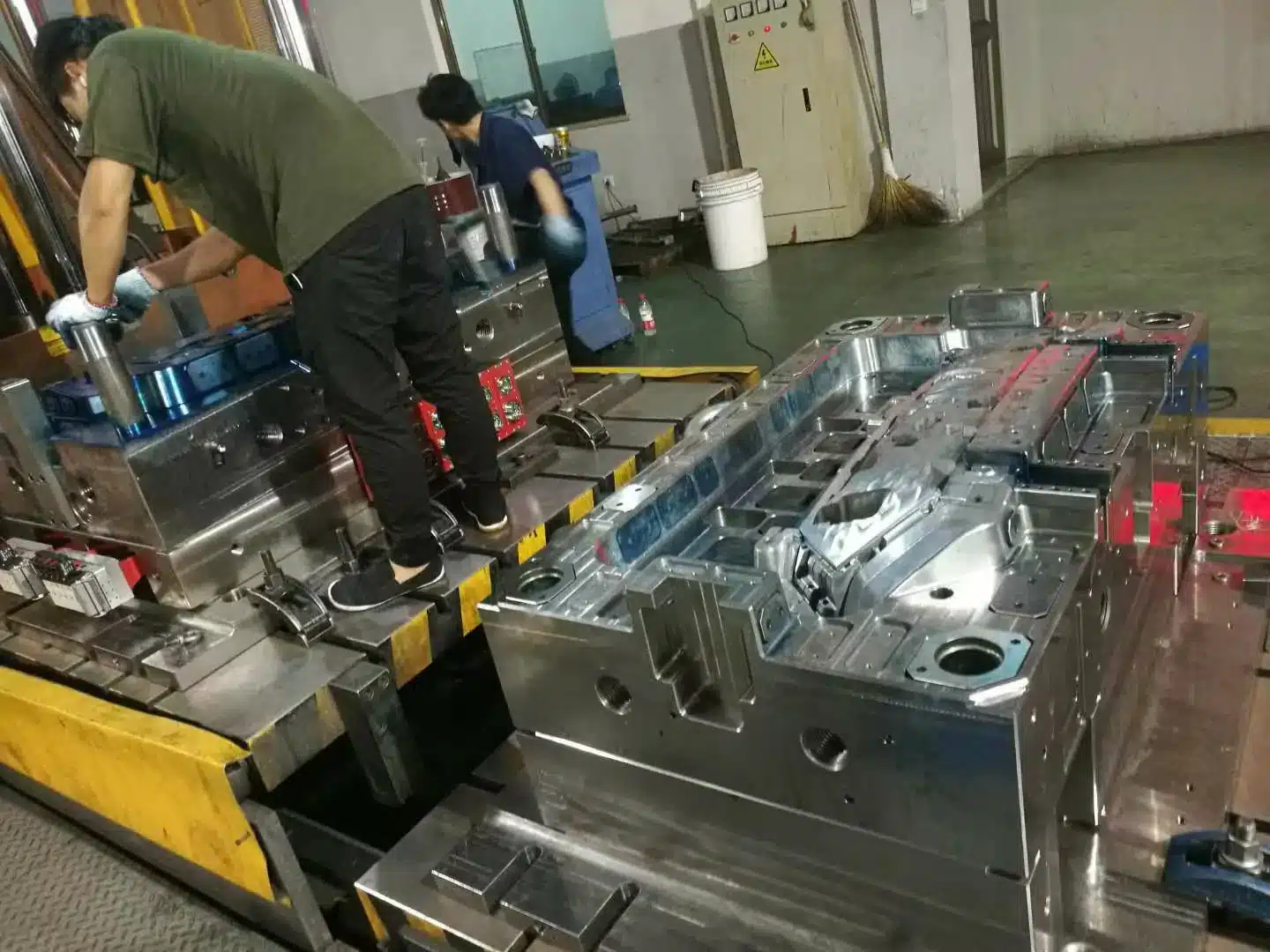
Injection molding is one of the industries that contribute to the status of China as the world manufacturing center. The high-pressure injection molding process that involves injecting molten plastic into molds has allowed the manufacture of millions of the same parts in a very short time and in a precise way. As China is the highest manufacturer and user of plastics globally, the injection molding industry has experienced tremendous growth, with its products used across the automotive, electronics, medical, and packaging industries.
The high growth of the industry has, however, been accompanied by logistical problems. Manufacturers are struggling to simplify, reduce lead time, and improve the quality of their products, as well as manage complex, global supply chains. In this competitive world, businesses are required to use intelligent logistics in order to stay in the game.
The Role of Smart Logistics in Injection Molding
Smart logistics implies the combination of modern technologies to smooth the flow of goods, minimize inefficiencies, and ensure that supply chains run smoothly. In the context of the injection molding industry in China, it is mostly used to describe the application of automation, real-time monitoring, and predictive analytics in order to achieve greater efficiency in operations.
Automation: The Backbone of Present-Day Supply Chains
Automation has changed the manufacturing process, and logistics is no exception. Robotic arms, automated guided vehicles (AGVs), and automated warehouses have become common automation tools in the injection molding industry.
Automation of repetitive processes, like inventory management, part assembly, and packaging, can enable manufacturers to save a huge amount of time spent on manual work. Not only does this raise throughput, but it also removes the possibility of human error, an important aspect in terms of quality production.
Automation also lets a business grow output without growing headcount, which is where the profit comes from. As an example, automated systems can be used to control the production schedules by ordering and delivering the materials on a just-in-time basis, thus reducing stockpiles and enhancing cash flow.
Real-Time Data: The Transparency Power
In modern supply chains, data reigns supreme. Using sensors, RFID tags, and IoT devices, businesses can monitor the materials, products, and equipment at all stages of production in real-time. For injection molding companies, this implies that they have a chance to track the movement of raw materials as they flow in through suppliers, as well as track the progress in production and even monitor the performance of machines in real-time.
Real-time data can give logistics managers a clear picture of what is going on in the supply chain, enabling them to see possible bottlenecks and stop them before they develop into a costly situation. Be it a delay in the delivery of materials or a machine breakdown, real-time visibility of operations provides the opportunity to make decisions faster and solve problems better.
Live data also improves communication with suppliers and customers. Knowing the latest updates can help manufacturers reach a higher level of customer satisfaction, provide more reliable delivery schedules, and enhance relations with suppliers and clients.
Predictive Analytics: The Future Predicted
Predictive analytics is the next lever. With the help of historical data, companies can predict demand, anticipate equipment breakdowns, and optimize inventory levels. Predictive models can also assist manufacturers in predicting market trends, new areas of customer need, and future production cycles.
For example, predictive analytics can be used to foresee material shortages or possible supply chain disruptions, giving businesses time to act. In an industry such as injection molding, where it is essential to maintain consistent production schedules, the capability to forecast and prevent risks before they occur is invaluable.
It also keeps just-in-time (JIT) production honest. Raw materials arrive only when needed, which avoids both overstocking and stockouts. This saves on storage expenses and reduces waste, resulting in greater overall efficiency.
Challenges and Opportunities
Along with the great opportunities that the adoption of smart logistics and optimization of the supply chain present, there are also challenges that require addressing. The major barrier is the start-up costs needed to adopt these technologies. Integrating automation tools, along with IoT devices and predictive analytics software, can be costly, particularly for smaller manufacturers. However, the ultimate savings due to less waste, greater efficiency, and improved customer satisfaction generally outweigh the initial investment.
The other challenge is the security and privacy of data. As the world becomes more dependent on cloud computing and the Internet of Things, companies must take necessary precautions to ensure that their sensitive data is secure. With the increasing number of businesses implementing smart logistics solutions, they should consider how their supply chain data is protected to prevent possible attacks that could harm their reputation and profits.
Notwithstanding these challenges, the prospects of smart logistics in the injection molding business in China are immense. Companies that adopt these technologies will have a competitive advantage in the busy market due to enhanced efficiency, cost savings, and the reliability and flexibility of their supply chains.
Applications of Smart Logistics in Injection Molding in the Real World
So how is smart logistics being applied in the industry today? Let us explore some examples:
Automated Warehouses and Inventory Management
Automated warehouses are becoming a popular solution among injection molding companies in China, as they tighten inventory management. These warehouses use robotics and AI to manage storage, retrieval, and sorting of materials. Using RFID tags and real-time tracking, materials can be located and controlled easily, significantly reducing the possibility of inventory mistakes.
Predictive Maintenance of Machinery
Predictive maintenance of the heavy machinery involved in injection molding is another crucial application of smart logistics. By tracking equipment performance and evaluating sensor data, manufacturers can determine when a machine is likely to fail. This enables planned repairs to be carried out before breakdowns occur, thus minimizing downtime and production loss.
AI-Driven Supply Chain Optimization
Artificial intelligence (AI) is assisting companies in making more intelligent decisions regarding supply chain management. AI can analyze vast volumes of past and current data to optimize routes, forecast changes in demand, and identify the most cost-efficient suppliers. Through AI-driven solutions, injection molding manufacturers can make more accurate decisions more quickly.
The Future of Smart Logistics in the Injection Molding Industry in China
Smart logistics ride the same wave as China’s broader push into smart manufacturing. AI, IoT, and data analytics keep moving from pilot projects into daily production. More factories now run automated warehouses, machine monitoring, and data-driven scheduling than five years ago.
In the future, the importance of smart logistics and streamlined supply chains will continue to grow. With the further development of technologies such as 5G, AI, and blockchain, even greater automation and efficiency will be achieved. For example, blockchain may be used to enhance transparency and safety across supply chains, while 5G networks will enable faster and more reliable data transfer.
As the global market becomes increasingly interconnected, Chinese manufacturers must keep up with the latest technologies to remain competitive. By effectively incorporating smart logistics into their supply chains, companies will be well-positioned to meet the demands of a rapidly changing industry and provide their customers with high-quality products.
What This Means for Buyers
Ask your supplier how they track orders and manage inventory. A molder with real-time monitoring and automated warehousing will spot delays before you do.

