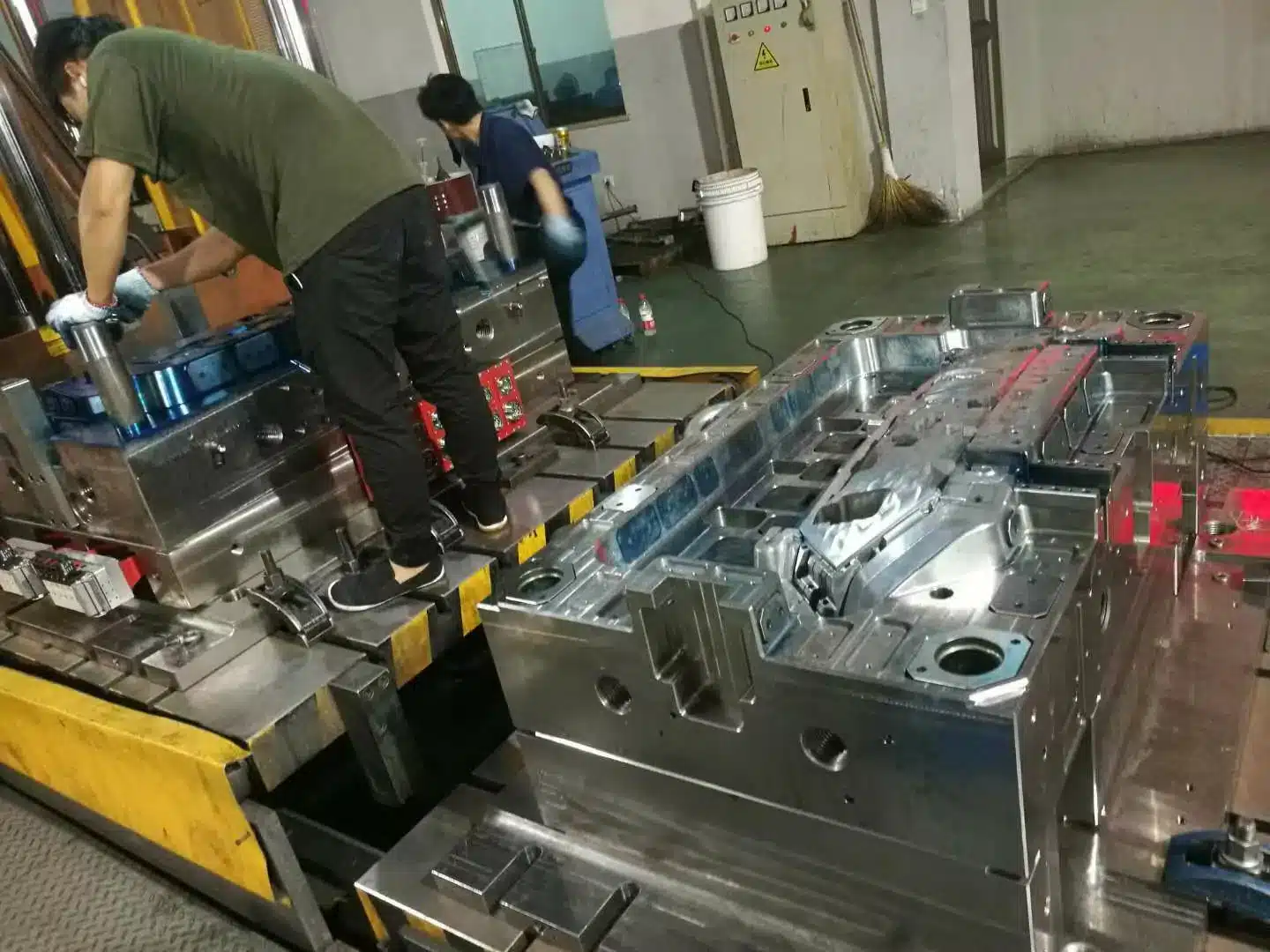

Polylactic Acid, or PLA, is a biodegradable and eco-friendly thermoplastic derived from renewable resources like corn starch. PLA has a wide range of applications, but one of the most popular uses for this material is injection molding. Injection molding is a manufacturing process that involves injecting molten PLA into a mold cavity. This process can be used to create everything from medical devices to packaging. One of the benefits of using PLA for injection molding is that it does not produce harmful emissions during the manufacturing process.

Why those important for injection molding cost
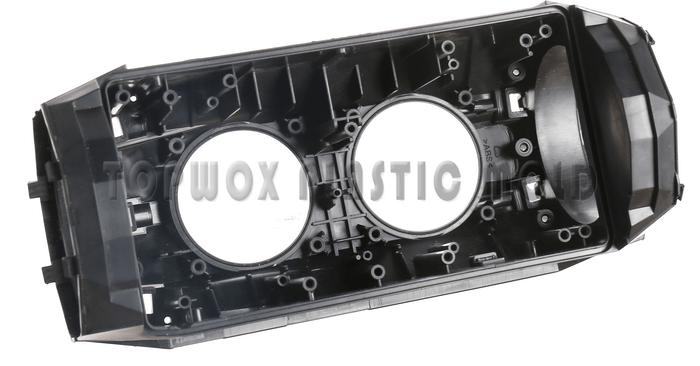
- Part size- bigger parts mean a bigger mold, which means that bigger steel will increase the steel cost for the injection mold.
- Part design- the more complex a part is, the more detailed the mold has to be. Some complicated parts will require special features to be added, such as lifters or sliders. Therefore, you should be open to advice from your mold maker and see if there’s anywhere that you can alter the part design to save on injection mold costs.
- Materials: Depending on the part material of choice, the injection mold will have to be made of a particular material. For instance, if corrosive plastic-like PVC is to be used, the mold will have to be stainless steel to avoid any damage, ultimately bump the price up.
- Part finish requirements- where parts have high gloss surface requirements, then more expensive steel and precise technical polishing will be vital, adding to the price.
- Production volume- higher volume molds need more cavities, and so the mold will be larger. They also require a higher steel grade to last for longer, which impacts the injection mold cost.
- Country of manufacture- different countries have different wage rates. If your mold is made in a country where labor costs are low, then you’ll naturally save money. In China, the average cost of an injection mold is around 40% less than in western nations.
Introduction: What is Polylactic Acid?
Polylactic Acid (PLA) is a biodegradable and bioactive thermoplastic derived from renewable resources, such as corn starch. PLA has been used in a variety of applications, including food packaging, medical devices, and 3D printing filaments. Injection molding is a process that can be used to create parts and products from thermoplastic materials like PLA. Injection molding involves injecting molten material into a mold cavity, where it cools and hardens to the desired shape.Injection molding is an efficient and cost-effective way to produce large quantities of polylactic acid products.Polylactic Acid is an ideal material for injection molding due to its high melting point and low density.
The Benefits of Polylactic Acid
Polylactic acid (PLA) is a biodegradable and eco-friendly plastic that has many applications in the injection molding industry. PLA is made from renewable resources, making it a sustainable choice for businesses and consumers alike.
PLA is also strong and durable, making it ideal for a wide range of products, from food packaging to medical devices. In addition, PLA can be transparent or opaque, making it versatile for different applications.
Overall, choosing PLA for injection molding provides many benefits for businesses and consumers. It is a sustainable choice that helps reduce environmental impact, while also being durable and versatile. As the demand for sustainable and eco-friendly products continues to grow, PLA will likely become even more popular in the injection molding industry.
Polylactic Acid is a versatile plastic that can be used for injection molding, 3D printing, and as a biodegradable material. Polylactic Acid has many benefits over other plastics, including its environmental friendliness and its ability to be molded into complex shapes.
Materials
Manufacturers often select a standard grade of plastic based on similar applications or supplier recommendations — but these resins may not be optimal. Key factors to weigh:
- Heat: stress from normal and extreme use, assembly, finishing, and shipping.
- Chemical resistance: performance when in contact with solids, liquids, or gases.
- Agency approvals: heat resistance, flammability, mechanical and electrical standards.
- Assemblage: bonding, mechanical fastening, and welding compatibility.
- Finish: ability to come out of the mold with the desired gloss and smoothness.
- Price: resin cost plus manufacturing, maintenance, assembly, labor, finishing, and tooling.
- Access: availability of resin in the quantities production requires.
Draft Angles
A draft angle makes it easier to release a cooled part from the mold. Minimizing friction during ejection delivers a uniform surface finish and reduces wear on the mold.
Draft is measured along the direction of pull. Most design engineers suggest a minimum of 0.5° for the cavity and 1.0° for the core. Textured surfaces and steel shut-offs require additional draft.
Wall Thickness
A proper, uniform wall thickness keeps parts free from structural and cosmetic defects. Most resins fall in the 0.04″ – 0.150″ range, but always confirm specs with your molder for the material you’ve chosen.
Analyze wall thickness during design to prevent sinking, warping, or non-functional parts.
Ribs
Ribs reinforce walls without increasing thickness. Keep ribs to no more than 2/3 of the wall thickness — wider ribs cause sink marks. Coring out material reduces shrinkage while preserving strength.
If rib height exceeds 3× the wall thickness, the part may short-fill. Placement, thickness, and length are critical early-stage decisions.
Gates
The gate is where molten plastic enters the mold. Gate and runner location influences polymer orientation and shrinkage — which directly affects part design and function.
For long, narrow parts that must be straight, gate at the end. For parts that must be perfectly round, gate at the center. Coordinate placement with your molder.
Ejector Pins
Located on the B-side (core) of the mold, ejector pins push the part free after molding. Poor placement leaves indentations and marks, so design them in early — not as an afterthought.
Pins typically sit at the bottom of side walls, with placement guided by draft, texture, depth, and material.
Sink Marks
Sink marks appear when thicker areas — like ribs and bosses — cool slower than thin walls, creating a depression. Causes include process method, part geometry, material, and tooling design.
Solutions: adjust cooling channels, gate type/size, packing pressure and time, or add foaming or gas-assist. Consult your molder for the most effective fix.
Parting Lines
Parting line location matters — especially for complex geometries. Sharing your design with your molder early changes outcomes, since designers and molders evaluate parts differently.
Use CAD and mold flow analysis to explore alternate parting line placements based on the part’s end use.
Special Features
Parts must release cleanly when the mold opens. Features like undercuts, side holes, or shoulders may require side actions — coring that pulls perpendicular to the main mold separation.
Side actions add flexibility but can increase cost. Partnering early with an experienced molder and plastics engineer keeps your product on time and on budget.
Injection Molding with Polylactic Acid
Injection molding is a process that injection molds melted plastic into a desired shape. In order to do this, polylactic acid, or PLA, is injected into a mold at high pressure. PLA is a type of thermoplastic, meaning it can be molded when heated and will retain its shape when cooled.
PLA is made from renewable resources like corn starch or sugar cane, making it a more environmentally friendly option than other types of plastic. It also has a lower melting point than other plastics, so less energy is required to heat it during the injection molding process. In general, the manufacturing process for PLA is similar to that of other plastics, such as ABS or polystyrene.
The Drawbacks of Polylactic Acid Injection Molding
Polylactic acid is a thermoplastic resin made from lactic acid. It can be injection molded, extruded, or cast. It is biodegradable and often used as an alternative to petroleum-based plastics. However, there are some drawbacks to using polylactic acid for injection molding.
One drawback is that polylactic acid has a lower melting point than other plastics. This can cause problems during the injection molding process, as the material may not flow evenly through the machine. Additionally, PLA isn’t as strong as other plastics and isn’t suitable for all applications. It also tends to be more expensive than traditional plastics. Polylactic acid is more brittle than other plastics, so it is more likely to crack or break during the molding process.
Another drawback of using polylactic acid for injection molding is that it produces a lot of harmful emissions when it is melted down and molded. These emissions can contribute to climate change and air pollution.
Overall, though, PLA is a good option for injection molding when environmental friendliness is a priority.