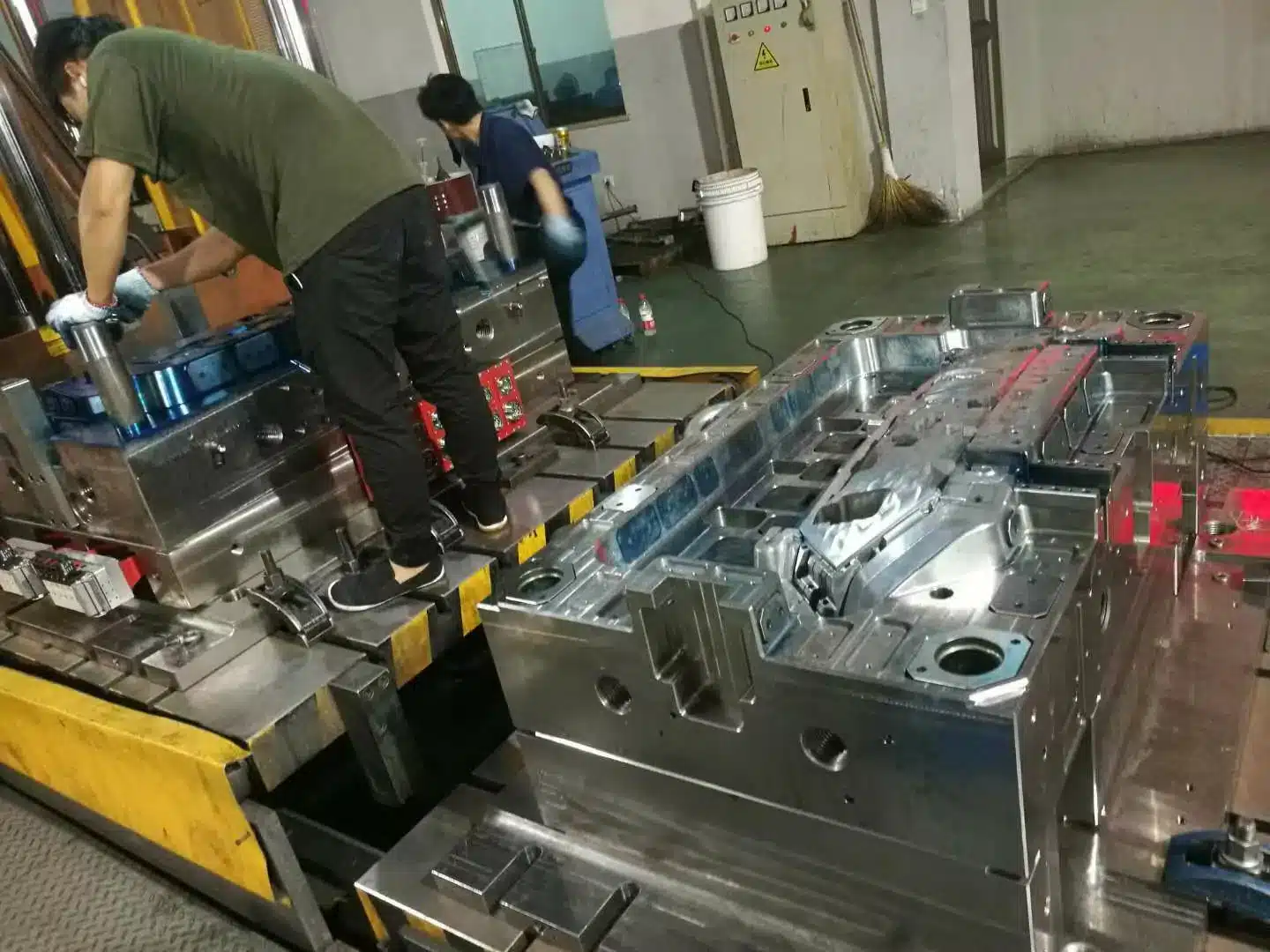

What is funny is that… It is a common belief that sourcing in China is nothing more than cheapest factory hunting and hoping that everything will turn out to be good. I can tell you, I have been in this game more than 10 years, and that is how you are likely to have a warehouse full of products that people do not want to buy.
Injection Molding Cost CalculatorThe thing is that reducing expenses and increasing the quality is not the stuff of dreams. It is completely possible. I have seen businesses cut their cost by 20 percent or more and end up with improved products. The secret? It is not the case of hammering more and changing suppliers every six months. It is all about playing smart.
Stop Playing Supplier Roulette – Start Building Profitable Partnerships
Relationships Before Contracts
- Visit the factory in person – video calls are just follow-ups
- Communicate as humans – ask about Spring Festival, remember names
- Think long-term – single-time buyers get second-rate materials
- Share growth plans – suppliers invest more in partnership clients
Master Specifications
- Material specs: “ABS plastic, virgin material, no regrind, 2.5mm thickness”
- Testing standards: Drop tests, salt spray, temperature cycling
- Tolerances: Color, size, weight – specify +3/-0% not +/-5%
- Production process: Temperatures, curing times, assembly order
Quality Control During Production
- Pre-production samples: Get 3-4 samples from different runs
- In-process inspections: Check at 10%, 30%, 70% completion
- Defect library: Photo guide of acceptable vs unacceptable quality
- Milestone checkpoints: Catch problems at 100 units, not 10,000
Smart Negotiation
- Volume pledges: Promise 30% more volume vs demanding 10% less price
- Payment terms: 50% down payment = 5-7% discount
- Seasonal smoothing: Shift high-season orders to low-season
- Value engineering: Redesign together for easier production
Technology & Transparency
- Real-time monitoring: Live video feeds, daily production reports
- Digital quality checklists: Photo apps with timestamps
- Supply chain tracking: Verify component authenticity
- Shared platforms: Everyone sees order status, inventory, schedules
Real Results: Electronics Retailer Case Study
Before Framework:
• $2M annual spend
• 8% defect rate
• Low margins
• Constant returns
After Framework:
• 23% cost reduction
• 2% defect rate
• Positive reviews
• $280K returns saved
The Choice Is Yours
Continue playing supplier roulette hoping for Western quality at Chinese prices…
Or implement a systematic framework that actually works.
Your suppliers are waiting. Your bottom line is waiting.
Why Companies Fumble China Sourcing
Let us be frank: the majority of businesses see China sourcing as they see shopping in Amazon. Search product, compare price, choose the lowest one. Done, right? Wrong.
I recall that I have worked with this electronics retailer in 2019. They were spending 2 million dollars a year in Bluetooth speakers, and they were always returning them and their margins were very low. Sound familiar? They believed that they were experiencing a China problem. Apparently they had a strategy problem.
Here is the real kicker? Having applied the framework that I am going to present, they saved money by 23 percent and saw their defect rate of 8 percent decrease to less than 2 percent. Even their customers began writing positive reviews about the build quality. Imagine that.
Step 1: Relationships Before Contracts
All right, I can guess what you are thinking. “Relationships? I simply need widgets to be produced!” Now listen to me.
The Chinese business culture is driven by guanxi that is relationships and trust. So when you treat suppliers like vending machines what do you think you get? Exactly. However, when you put effort in establishing meaningful relationships, magic ensues.
This is what really works:
- Pay a visit to the factory. Yeah, I mean like actually visit there. Video conferences are fine to carry out follow-ups but there is nothing better than shaking hands with the factory owner and having dinner with him. A client of mine visited a factory and found out that its supplier had just purchased new quality control equipment- something that he did not learn over emails. They agreed on having exclusive access to that production line and reduced defects by 40%.
- Talk as a human being. Stop those official, business-like mails. Enquire how they are going to spend their Spring Festival. Do not forget the names of the kids of the purchasing manager. It does not sound big, but when your production problems occur (and they will), then you will be the client they want to assist.
- Day one: think long-term. Chinese suppliers have a nose of a single-time buyer. And honestly? They will send to you their second team and second-rate materials. But indicate to them that you are going to grow together? Then they get down to business.
The key to success in doing it is in Step 2: the art of specification (the devil is in the details).
Step 2: The Art of Specification
This is when things become interesting and most of the companies fail terribly.
It is not a matter of throwing a sample product and saying make this. Yes you can, but you will get what you deserve, inconsistency, quality, and surprise changes that were not requested.
Picture this. One of the furniture importers that I dealt with continued receiving dining chairs with legs that tumbled. They would grumble, the factory would make apologies, next batch-same problem. The issue? Their spec sheet merely stated that they were of sturdy construction as opposed to mentioning specifications such as joint type, glue standards and loading test requirements.
And here is your specification checklist:
- Molecular materials. Don not say “plastic.” List ABS plastic, virgin material, no regrind, 2.5mm minimum thickness. This is what one toy making company discovered the hard way when their BPA free products showed positive since they had not made it clear that they are using virgin materials.
- Testing of standards that count. CE or FCC certificates are requested by everyone. But how about drop tests? Salt spray test? Temperature cycling? One of the wearable brands I recommended introduced a 48-hour sweat test into the specifications. Guess what? No more customer complaints over charging ports that were corroded.
- The tolerance of all things. And I do mean everything. Colour tolerances, size tolerances, weight tolerances. A clothing label even stated that its t-shirt weight may be off by +/-5 percent. That was interpreted by the factory to mean that they could go under by 5% each time. Now they designate +3/-0 %. Problem solved.
- The requirements of production process. It is the secret sauce. Not only devise what you want, but how to make it. Temperatures, curing, apportionment of injection molding, assembly orders. It is as though you would give a person a recipe rather than a photo of a cake.
Step 3: Quality Control
You see, employing third-party inspection firm to inspect your goods prior to shipping is a bit like checking whether your parachute is working after you have jumped. It is better than nothing but why not pack it right in the first place?
The actual quality control begins much earlier. Such as, even before any production takes place.
The pre-production samples are your best friend. Don t take only a single sample–take three or four. Preferably, between various production runs. The outdoor gear company I am familiar with needs four pre-production samples, one of which they retain, one which is used to test the product to destruction, one which is shipped to their largest customer to comment upon, and one which gets shuttled between their office and the factory to be marked up.
Everything is different with in-process inspections. Detecting defects once 10,000 products are produced? That’s expensive. Catching them 100? That’s manageable. Install milestone check points at 10, 30 and 70 percent complete. It is more expensive to pay initially, yeah. However, don not forget that electronics retailer I have told you about? Their inspection expenses increased by 15000 dollars a year. Their returning processing expenses reduced to 280,000 dollars.
Develop a defect library. This is genius work. Take pictures, list the causes and solutions to every quality concern. It should be shared with your supplier. One of the textile importers prepared a 47-page graphic manual of what was acceptable and unwanted stitching. They reduced their defect rate by 71 percent within six months since the employees now knew what high quality really meant.
Step 4: Smart Negotiation
Okay, money talk. Not as you think.
You can hammer your suppliers on price all you want, but that is like squeezing a balloon, you push here it shoots out over there. and squeeze them down on their margins, and they will make it up in some novel an original ways. Less expensive thread, less thick materials, omitted processes. It is the same old story.
The intelligent negotiation is different:
- Volumes pledges triumph over price pressure. Rather than the request of 10 percent less, do pledge 30 percent more volume. Predictability is what factories adore more than high margins. A 15 percent discount was negotiated by one furniture brand on the condition that they gave them monthly orders within a year. Better planning in the factory would have material purchased in bulk and everyone would win.
- Payment terms are gold pure. You can easily get a deduction of 5-7 percent by promising to deposit 50 percent down as compared to the usual 30 percent. Why? Due to the fact Chinese factories are usually cash-strapped. The electronics store? They transacted 30 days payment terms to 7 days in exchange of 6 percent discount. Calculate your cost of capital, it normally pays off.
- Seasonal production smoothing. Feast-or-famine orders are despised by factories. Make an offer to shift some of your high season manufacturing to their low season. An importer of Christmas decorations shifted 40 percent of what it produces in September-October to May-June. Outcome? 12 percent decrease in price and improved quality since employees were not hurried up.
- Value engineer with one another. Here is where relationships come in handy. With your supplier, sit down and ask them, how can we make this product easier to produce and at the same time not lose quality? One client re-designed its product to use standard parts rather than custom ones– it saved 18% and the user experience was not altered in any way.
Step 5: Technology and Transparency
This is when it becomes all exciting. Which companies are sourcing in China today and killing it? They are employing technology to bring about accountability and openness.
- Real time monitoring of production. It is not a case of daily email updates. I am talking about live video feeds, daily production reports, quality metrics dashboards. One of the clients of mine put in place a camera system worth 3,000 dollars in the supplier facility. ROI? They intercepted a process deviation which would have led to 15,000 defective units.
- Online quality checklists. Never mind paper forms. Take photos on apps that are forced, that time stamp everything, and are not able to be edited behind the scenes. Funny how the rate of defects gets detected when the inspectors are aware that they are being tracked online.
- Blockchain supply chain. All right, I understand that blockchain is oversold, but just listen to me. It is used by one of the brands in the electronics industry to monitor component sourcing. They found the undeniable evidence when they found that their “Japanese capacitors” were the Chinese fakes. Supplier reformed very fast.
- Team planning platforms. Quit with email ping-pong. Share platforms and have on the same platform so that all people, including you, your supplier, and your logistics company can see your order status, inventory, and shipment schedules. Miscommunication is reduced to approximately 80%. Seriously.
Actual Results of Actual Companies
What does this framework actually offer? Let us get down to specifics.
- Case Study 1: Importer of Sporting Goods
– Prior: $4.2M annual expenditure, 6.5 percent defect, 12 percent late delivery
– Post framework: 3.4M dollars spend, 1.8 percent defect rate, three percent late shipments
– Key win: Building relationships with suppliers enabled them to share their excess capacity schedule and enabled them to order flexibly - Case Study 2: Brand of Consumer Electronic Goods
– Previously: 11 percent margin, consistent quality complaints, 4 suppliers replaced over 2 years
– In 18 months: 19 percent margin, 4.8-star Amazon ratings, 3 years on the same supplier and counting
– Game changer: Specifications were detailed to the extent it excluded the element of interpretation - Case Study 3: Fashion Accessories Company
– Previously: Ordering 20 percent more to cover defects cash flow nightmares
– After: By ordering 5% buffer, 35 percent less capital is stuck in the inventory
– Secret sauce: In-process inspections and library training on defects
The Awkward Implementation Reality
This is what no one says: this framework is a mess to implement. The first visit to your factory may be uncomfortable. There will be gaps in your specifications. Your quality control will not pick up things.
That’s normal. In fact, it is natural.
What sets companies that are successful and those that are not? The successful ones just begin. They iterate. They learn. They adjust.
One client said: We used up three months in perfecting our specification template before we sent it to suppliers. Then what they should have done is just launched version 1.0 and worked on it with actual feedback.”
He’s right.
What To Do Next
You can continue to play supplier roulette where you hope to discover that elusive factory that will provide you with a Western quality product at a Chinese price. Good luck at that.
Or you can agree that it cannot be done with a piecemeal approach but has to be done systematically to reduce costs and increase quality. It involves spending time in relationships, becoming obsessive with specifications, managing quality during production, engaging in smart negotiation and being transparent.
It is your choice. However, do not forget that electronics retailer that I have mentioned at the start? They began to apply this structure on a Monday morning with only one supplier. In six months they had implemented it in all their five major suppliers.
Their most recent mail to me? Why haven’t we done this in years?
Exactly.
The structure is present. The case studies make it work. The question is only how long will you continue to accept that high costs and quality problems are simply the price of doing business in China?
They are not. Not anymore. Not, unless you are smart about it.
And honestly? To me you are a pretty smart fellow. Other than that you would not have read this far, would you?
Now it is time to make this knowledge work. Your suppliers are waiting and so is your bottom line.
Ready to Get an Accurate Quote?
Topworks combines deep injection molding expertise with structured project management — so your next project lands on time, on spec, and on budget.

