





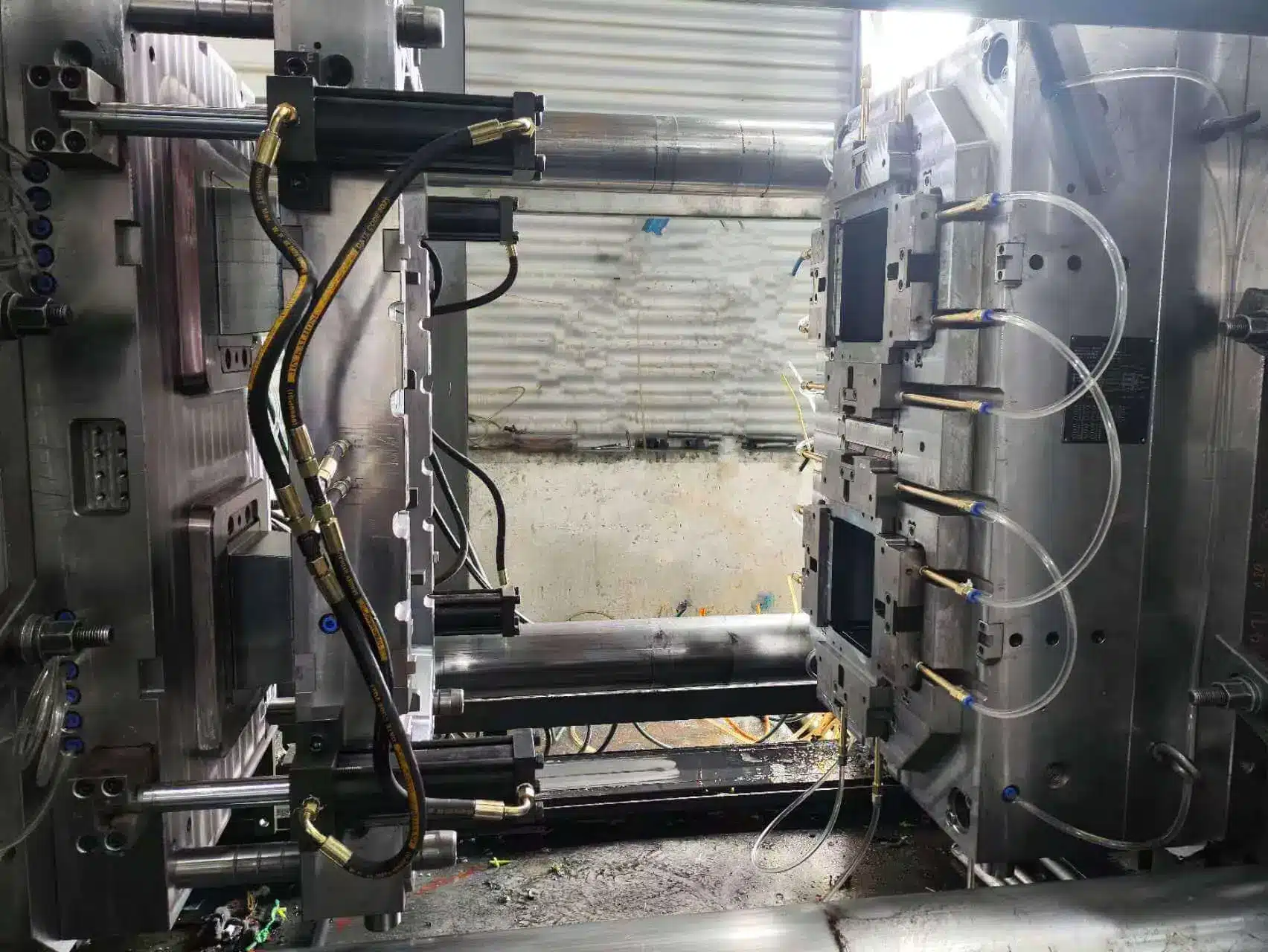
plastic battery box mould and battery case mould
Topworks has built plastic battery box mould tooling out of China for over a decade. We’ve shipped 50+ battery box and case molds to buyers in the US, EU, and Australia. Most run for years without a major repair.
Every plastic battery box mould we build follows the same rule: pick the right steel, design for the resin, and prove it on the first shot. No shortcuts on the cavity steel. No guessing on shrinkage.
Ready to Get an Accurate Quote?
Topworks combines deep injection molding expertise with structured project management — so your next project lands on time, on spec, and on budget.


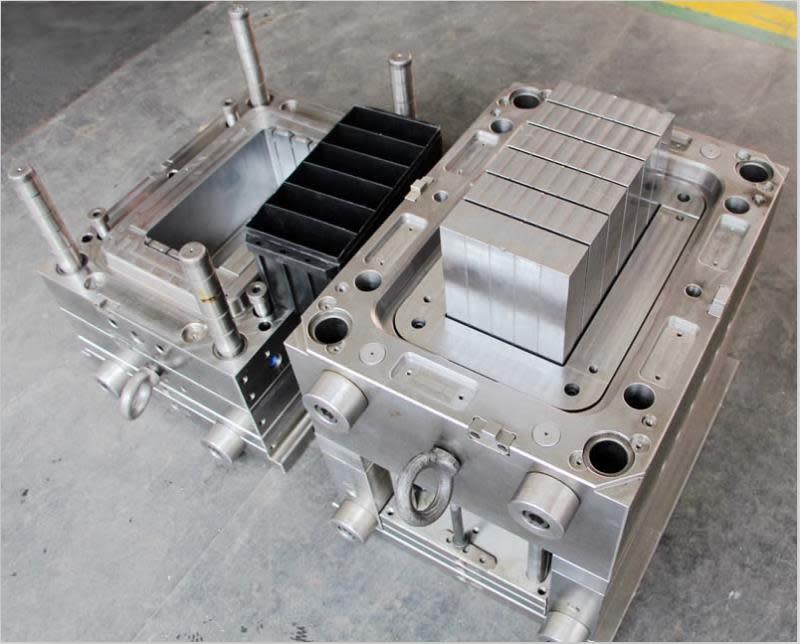
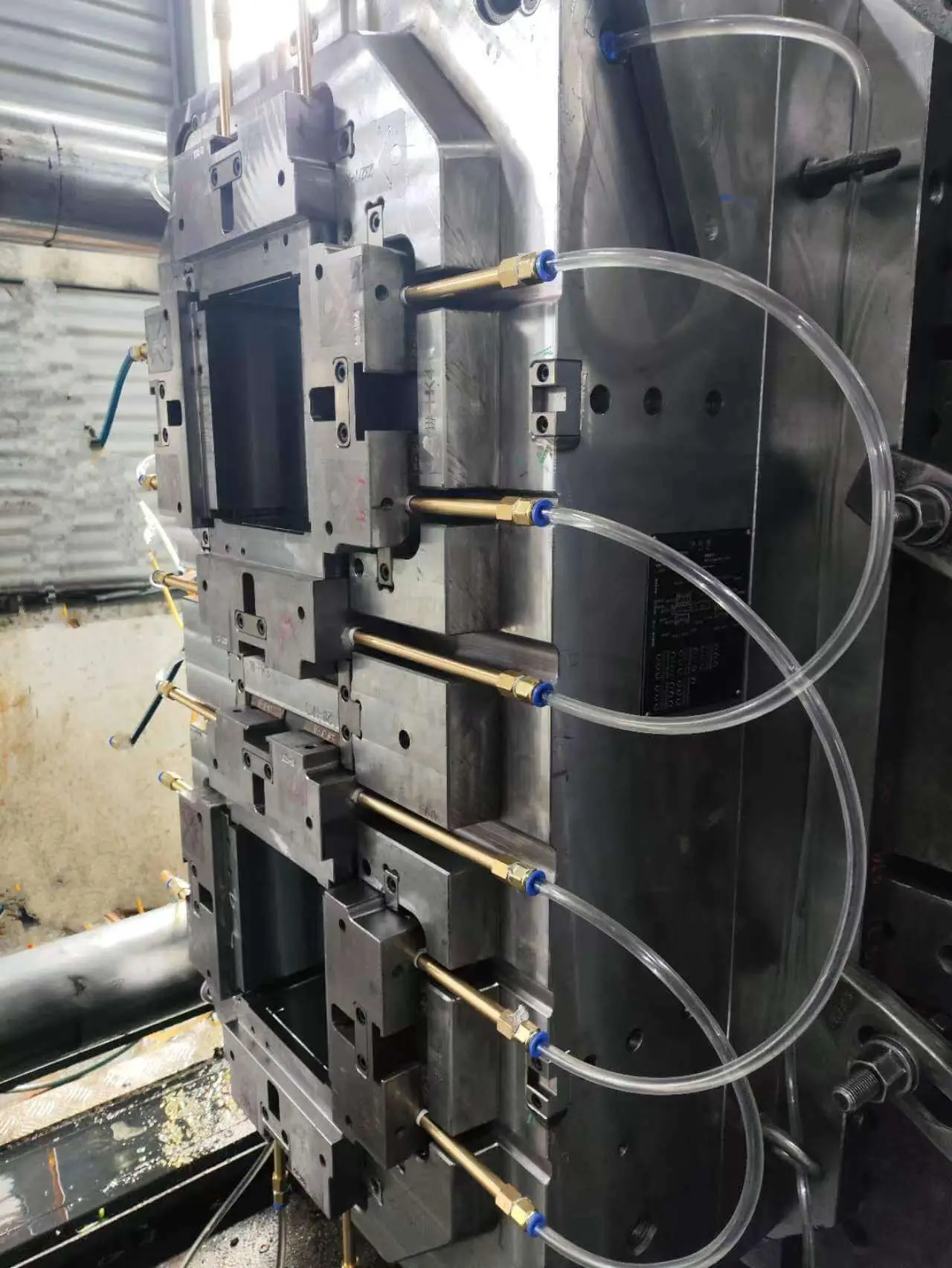

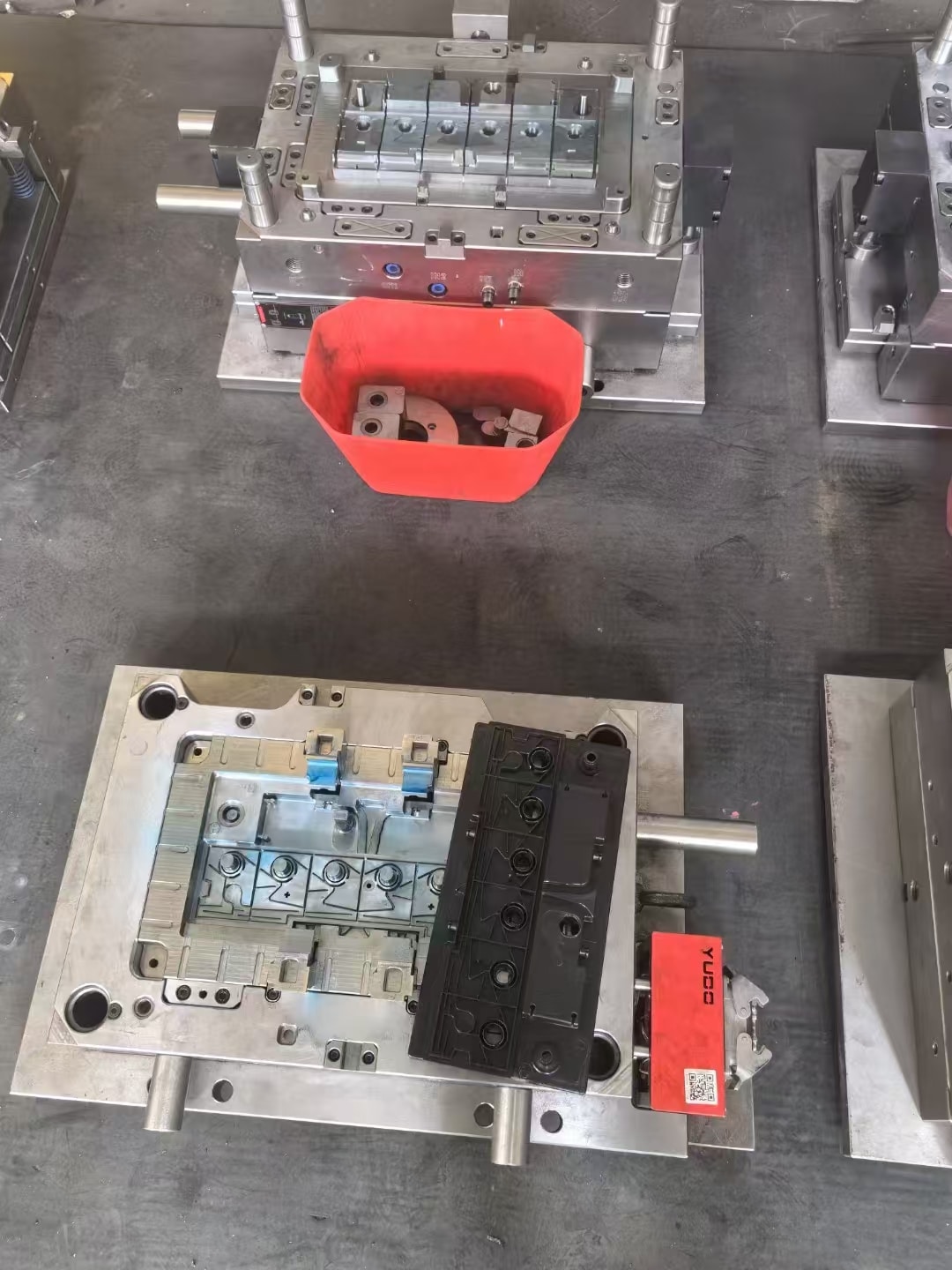
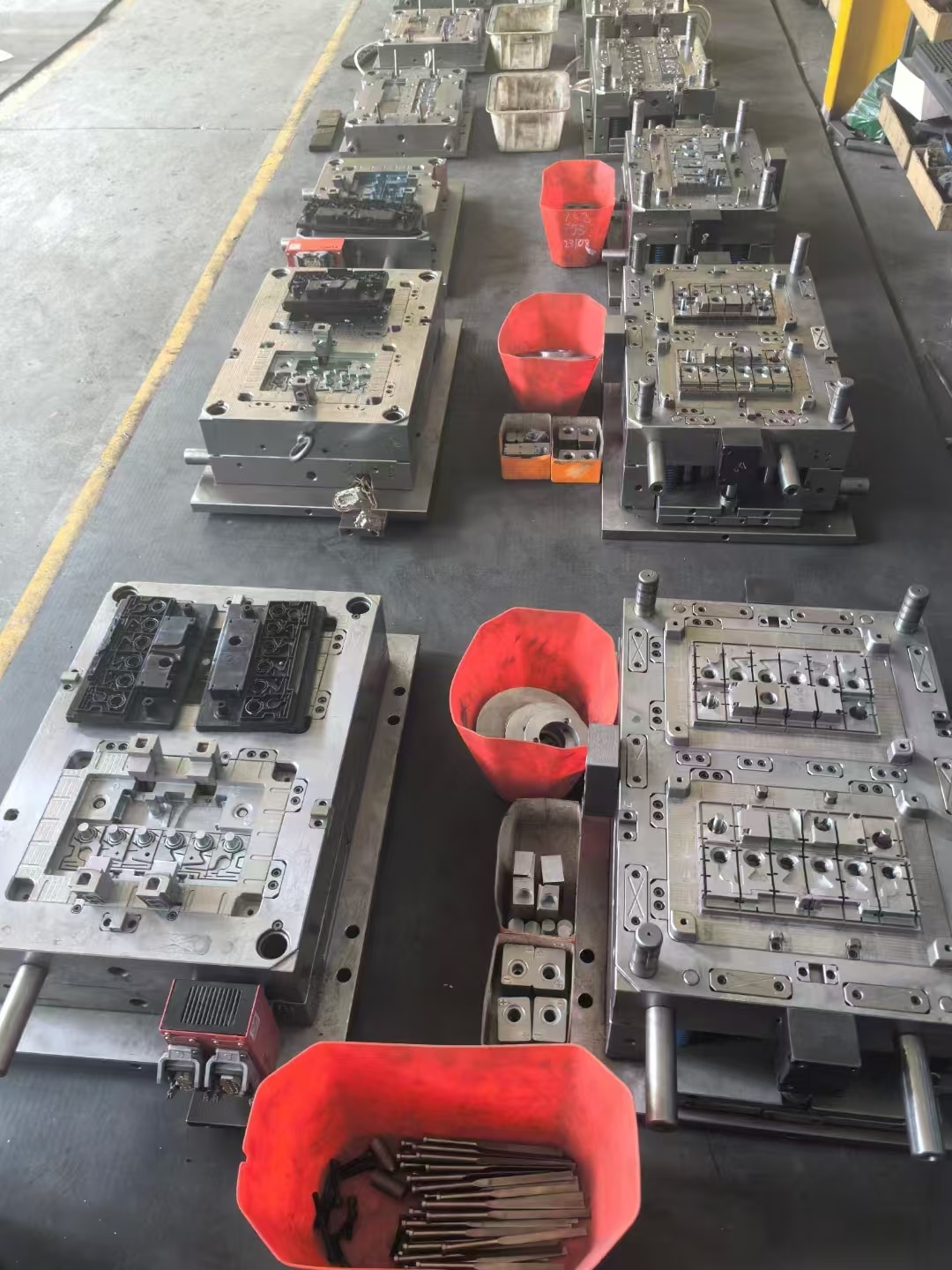
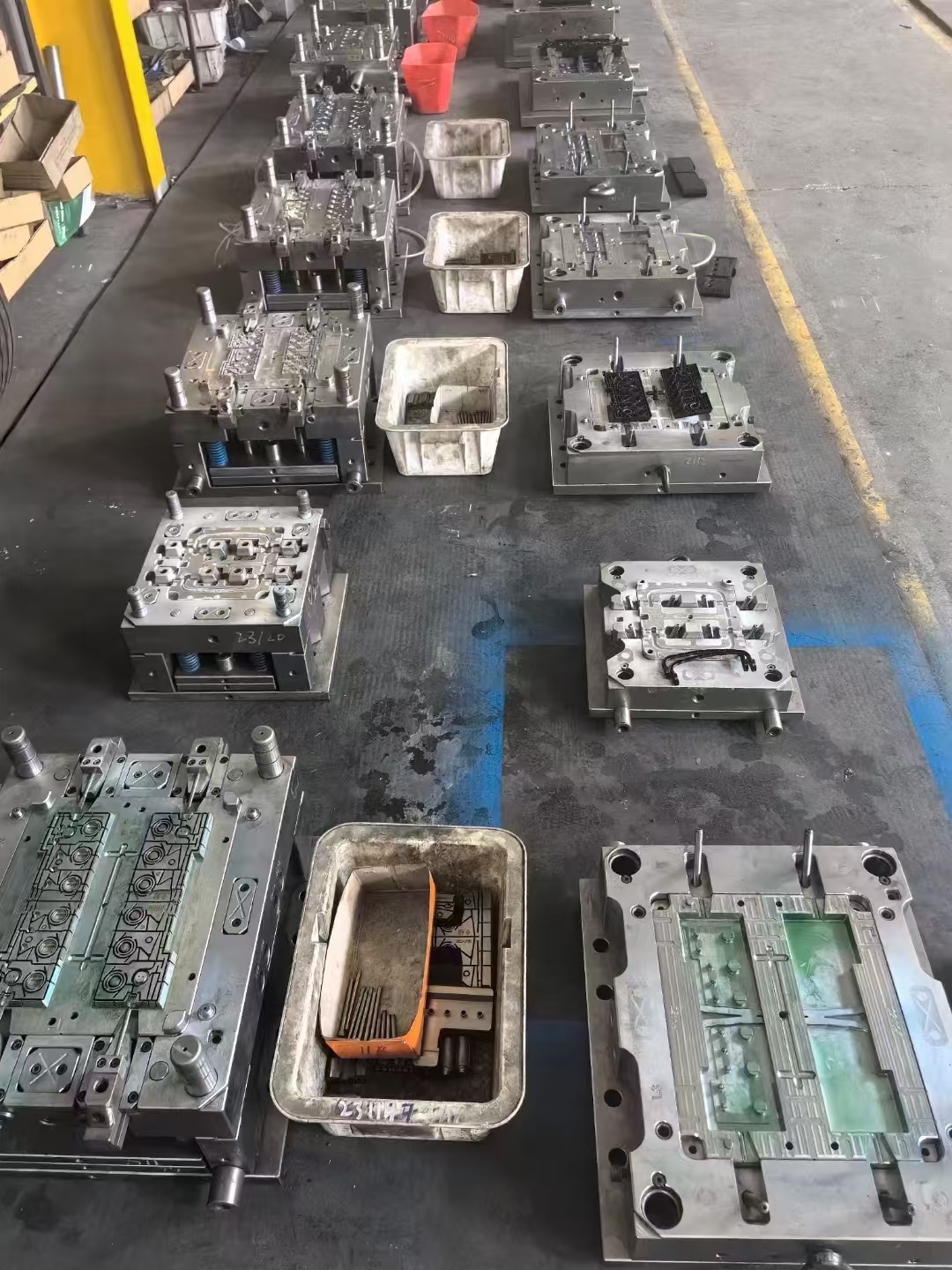
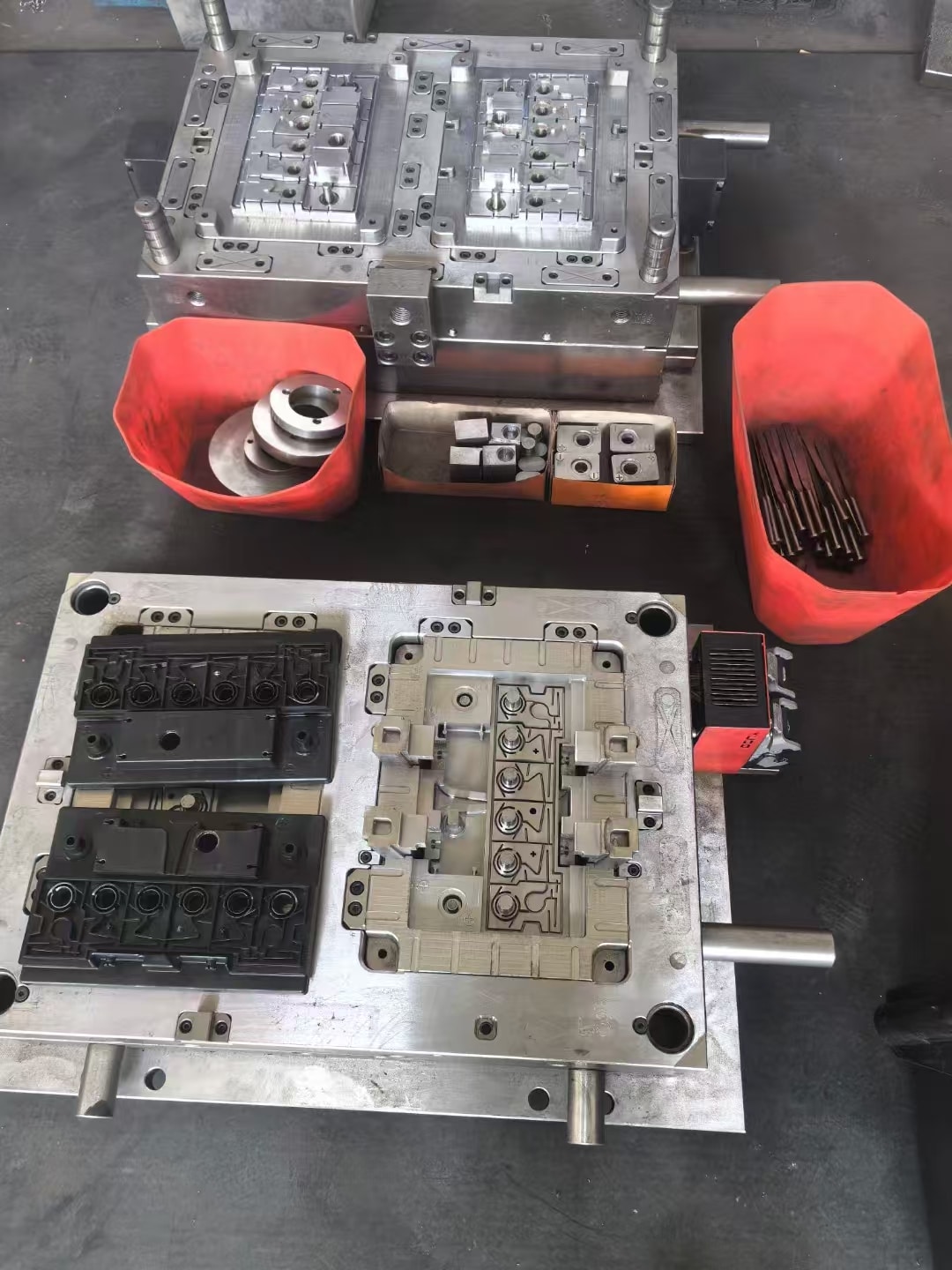
plastic battery box experience
Ten years on battery boxes teaches you what fails first. Most of it is shrinkage and side-wall pull-in on the long edges. We’ve solved both — on lead-acid cases, UPS housings, and motorcycle batteries. That’s the expert knowledge buyers actually pay for.
We can deliver a full battery case mould set on schedule. Single-cavity or multi-cavity. Hot runner or cold. We size the tonnage and the runner system to your part — not to a template.
Custom assembly and box design are part of the job. Tell us the cell layout and the terminal positions. We handle the rest — slider design, vent placement, ejection.
Our mold makers work on battery tooling full-time. That focus matters. They’ve seen the same defects on a dozen jobs and know which fix actually holds in production.

How to Purchase Battery Case Molds in China
Case Study: Eliminating Side Wall Deformation in Battery Box Mould
The Issue
On the first trial, both long side walls of the compartments pulled inward. The deformation killed assembly fit and sat well outside tolerance.
- Measured deformation before correction: 3.2 mm
- Risk to customer: fitment issues, rework, production delay
Before Modification, deformation: 3.2mm
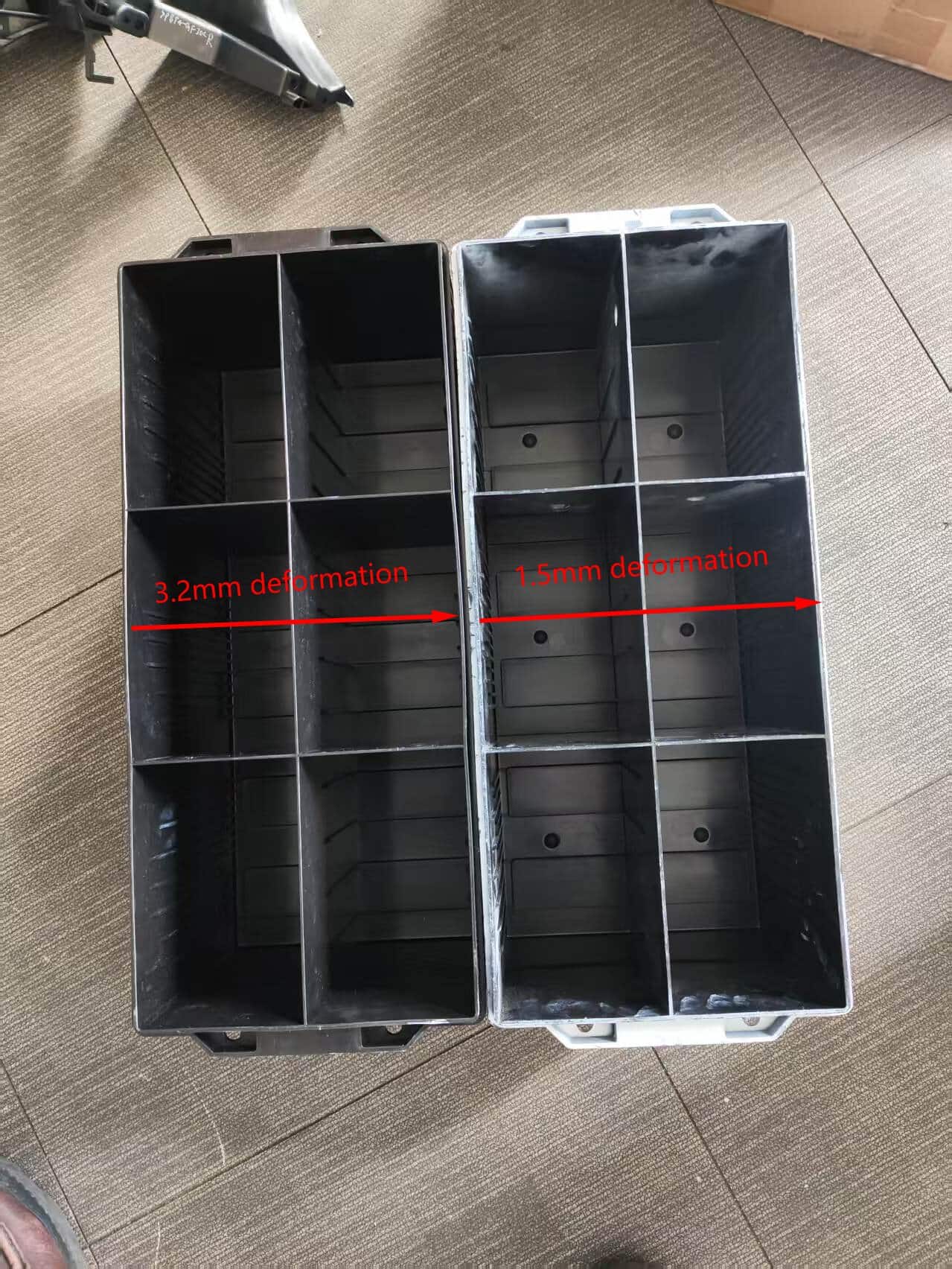
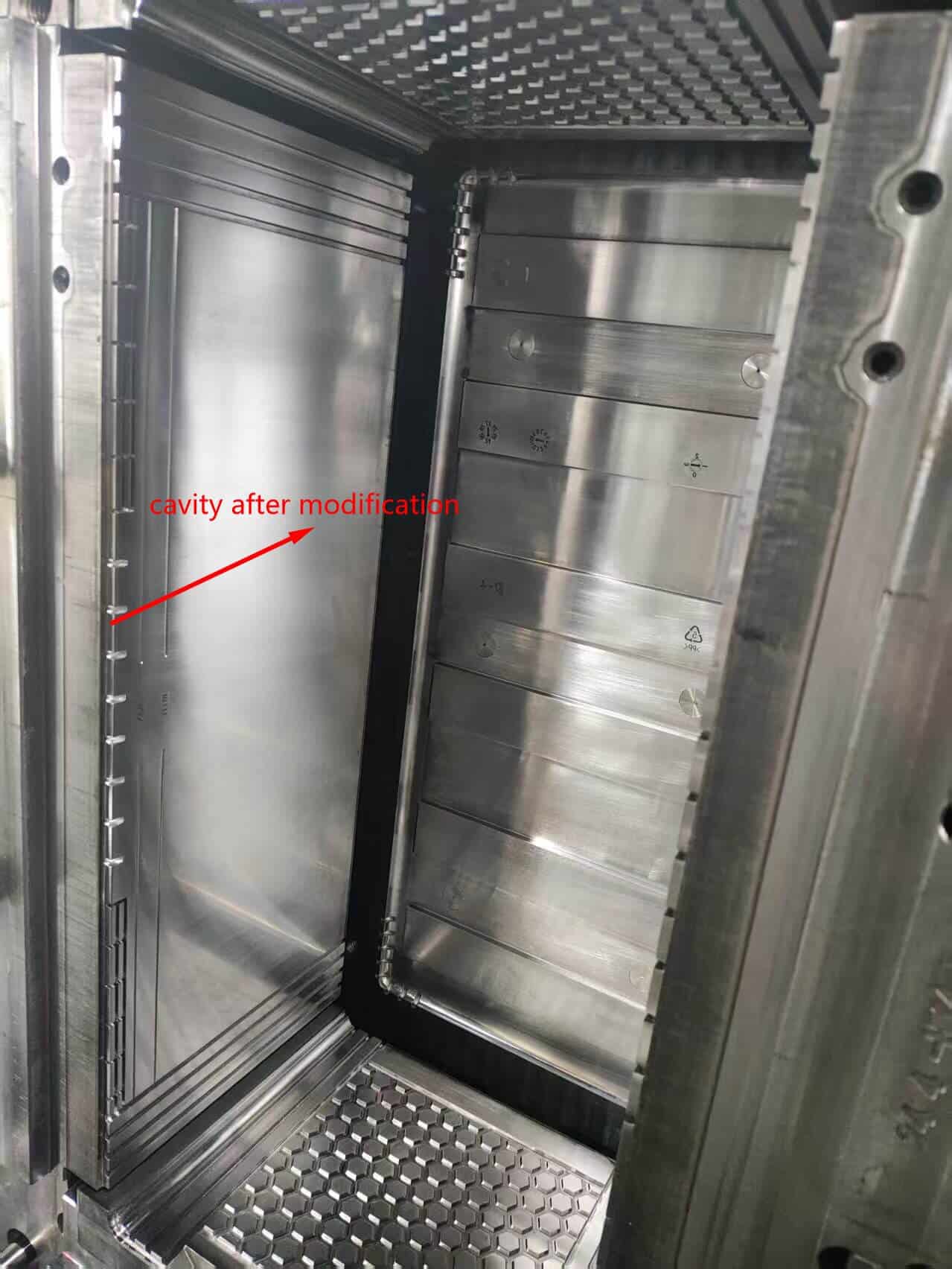
After Modification, deformation < 1.0mm
Our Solution
We fixed it by measuring, not guessing. Trial-and-error on a battery box mould burns weeks. Measurement-driven correction takes one round.
- Measured actual deformation on molded parts at multiple points
- Reworked the sliders and core areas based on the measured pull-in
- Raised injection pressure to stabilize shrinkage on the long walls
Tooling change plus process change. That’s why the result held shot after shot.
Final Result
- ✅ Side wall deformation reduced to 1.0 mm
- ✅ Fully met customer dimensional requirements
- ✅ No secondary correction or rework required
- ✅ Stable performance in continuous production
Why This Matters for Purchasing Managers
This is the kind of fix that decides whether your launch ships on time. Here’s what it proves we can do:
- Catch tooling problems at T1, not in mass production
- Correct the mold once, correctly — no repeat tryouts
- Hand off compliant parts before the line ramps
- Cut your downstream quality and sourcing risk
Before / After Summary
| Item | Before | After |
|---|---|---|
| Side wall deformation | 3.2 mm | 1.0 mm |
| Assembly risk | High | Eliminated |
| Production stability | Unstable | Stable |
Looking for a battery box mould supplier who can control quality and reduce sourcing risk?
👉 Contact us to discuss your project.
Buying battery case molds from China can save you 30–50% versus European tooling. The catch is the process. Get it wrong and you eat the cost in delays and rework. Here’s how to get it right.
What a battery case mould actually does
A battery case mould shapes the plastic housing that holds the cells, acid, and terminals. The mold has to hold tight wall thickness — usually ±0.1 mm. Thin spots leak. Thick spots warp.
Lead-acid, lithium, UPS — each needs a different resin and a different gate plan. PP copolymer is common for lead-acid. ABS shows up on consumer packs. The resin drives the steel choice.
How to vet a Chinese mold supplier
Start on Alibaba, Made-in-China, and Global Sources to build a shortlist. Don’t stop there. The listings tell you very little about whether the shop can actually run your job.
Filter the shortlist on three things: years building battery tooling specifically, photos of finished battery molds (not just generic injection molds), and references you can call. If a supplier can’t show you three battery box jobs they finished, they’re learning on your project.
Industry contacts and trade shows like Chinaplas beat any platform for verifying a shop.
Quality checks that actually matter
Ask for the mold steel certificate and the hardness report. P20 at 28-32 HRC is fine for low-volume jobs. H13 hardened to 48-52 HRC is the right call for million-shot production. S136 if your resin is corrosive.
Request T1 samples and a full dimensional report before paying the final balance. The CMM report tells you more than any video call.
Visit the shop if the project is large. Walking the floor shows you what no photo will — how the EDM machines are maintained, whether the CMM room is air-conditioned, and how the bench fitters handle finishing.
Comparing battery case mould quotes
Get at least three quotes. Make sure each one breaks out steel grade, cavity count, hot runner brand, mold base supplier, and shot life guarantee. A quote without these isn’t a quote.
A car battery box mould from a serious China shop usually lands between $25,000 and $80,000 depending on size and cavity count. [VERIFY] Anyone quoting half that is either undercutting steel or skipping heat treatment.
Add shipping, duty, and your local trial costs to every quote before you compare. The cheapest mold ex-works is often not the cheapest mold delivered.
Locking in the deal
Standard payment is 30% deposit, 30% after T1 sample approval, 40% before shipment. Avoid suppliers who want 50% or more up front for a first project.
Write the contract in English and Chinese. Spell out steel grade, hardness, cavity count, shot life guarantee, T1 date, and Incoterm. A loose contract is how disputes start.
After you place the order
Lock the production schedule and ask for weekly photo updates. Steel cutting, electrode finishing, EDM, fitting, T1 — five clear milestones. If your supplier can’t give you a milestone schedule, that’s your answer.
Plan customs early. You’ll need a commercial invoice, packing list, and HS code 8480.71 for the mold itself. Most shops handle FOB Shanghai or Ningbo — your freight forwarder takes it from there.
After-sales — the part nobody asks about
A mold runs for years. You’ll need spare ejector pins, gate inserts, and O-rings. Get the spare parts kit in writing before the deal closes.
Good shops video-call your molder if a defect shows up at your plant. That kind of remote support is worth more than a small discount on the original quote.
Buying battery case molds from China comes down to three things: verify the supplier before you pay, lock the steel and shot life in writing, and check the T1 samples yourself. Do that and the savings stick.
FAQ on Purchasing Battery Case Mould in China
Strategic Insights: Battery Container mould & Manufacturing
1. What is a battery case mould and why is precision critical?
A battery case mould is the tool that injection-molds acid-resistant plastic battery housings. Precision matters because a wall thickness shift of 0.2 mm can cause electrolyte seepage or cracking under pressure. Tight battery container tooling tolerances are what keep finished cases sealed for the full service life.
2. How does your battery box injection mould design maximize ROI?
Conformal cooling channels in the battery box injection mould cut cycle time by up to 20%. Faster cycles mean more parts per shift on the same machine. Our battery housing mould designs also reduce flash, which cuts the labor you spend on trimming.
3. What is the typical lead time for custom battery container tooling?
A custom battery container tooling project runs 8 to 10 weeks. That covers DFM, mold flow simulation on the accumulator case mould, CNC machining, EDM, fitting, and T1 through T3 trials. The mold ships ready for mass production.
4. Which steel grades do you use for high-volume battery housing mould production?
For long-life battery housing mould jobs we use DIN 1.2344 or H13, hardened to 48-52 HRC. If your resin is flame-retardant or corrosive, we switch the cavity to S136 stainless. That keeps the battery box injection mould cavity polished past one million shots.
5. Can you develop multi-cavity accumulator case moulds for UPS batteries?
Yes. We build multi-cavity accumulator case mould tools for car batteries, UPS housings, and industrial packs. The runner system is balanced so every cavity in the battery container tooling fills at the same rate.
6. How do you guarantee the lifespan of a battery box injection mould?
Every Topworks battery box injection mould is built to Class 101 — at least 1,000,000 shots guaranteed. The mold base is from LKM or Hasco, and the high-wear areas of the battery housing mould use replaceable inserts so you can refresh them without replacing the whole tool.
7. What technical support is available for your battery housing mould solutions?
Every battery housing mould ships with a spare parts kit — ejector pins, springs, O-rings, gate inserts. You get the full maintenance manual and remote support from the original molder. If your battery box injection mould has trouble at your plant, we video-call into your shop.
