





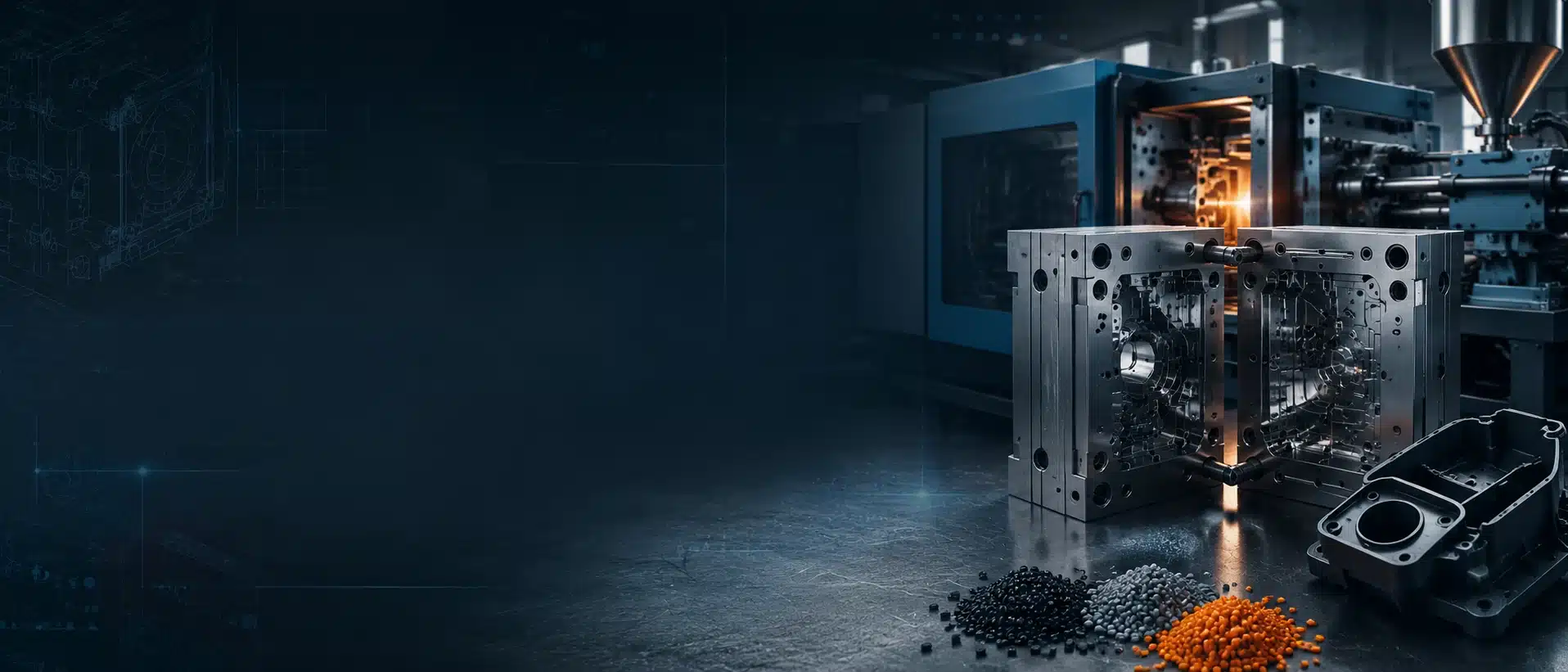
Fabricant de moules pour seaux de peinture (Chine)
Moules conçus sur mesure pour une production de masse stable, une longue durée de vie des moules et une qualité constante des godets. Conçus pour réduire le coût total de possession (TCO) - et pas seulement le prix initial de l'outillage.
- Capacité du godet : 1L-25L (sur mesure)
- Matériaux : PP / HDPE
- Cavités : 1–2 (sur mesure)
- Options pour les coureurs : Coureuse à chaud / coureuse à froid
Meilleurs résultats avec STEP/IGES + qualité de résine + volume annuel + exigence cosmétique.
Objectifs typiques d'un projet
Vidéo de l'usine (outillage et production)
Un rapide coup d'œil sur notre flux de travail en matière d'usinage, d'assemblage et d'échantillonnage pour soutenir une production de masse stable.
Aperçu du produit
Nos moules pour godets de peinture sont conçus pour les lignes d'injection à haut rendement où la finition cosmétique, l'uniformité de l'épaisseur des parois et le démoulage en douceur ont une incidence directe sur le temps de cycle, le taux de rebut et la maintenance à long terme.
Applications typiques
Points forts en matière d'ingénierie et de conception de moules
Un refroidissement qui contrôle la rétraction
La disposition équilibrée du refroidissement réduit le gauchissement, raccourcit le temps de cycle et améliore la répétabilité dimensionnelle entre les lots.
Éjection et démoulage stables
La conception de l'éjection est validée lors de l'essai pour éviter les marques de traînée, le collage et la déformation sur les zones de godets à parois épaisses.
Stratégie « Acier et usure »
La sélection de l'acier et le traitement thermique sont choisis en fonction du type de résine, des charges et du volume annuel afin de préserver la durée de vie et la cohérence des moules.
Cette vidéo confirme les points ci-dessus : éjection stable, rétrécissement contrôlé et temps de cycle répétable.
Prix de l'outillage réduit vs coût total de possession (TCO) réduit
Un moule moins cher peut produire des pièces plus coûteuses pendant des années si le temps de cycle dérive, si les rebuts augmentent ou si les temps d'arrêt pour maintenance s'allongent. Utilisez cette vue de l'approvisionnement pour comparer les devis de manière équitable.
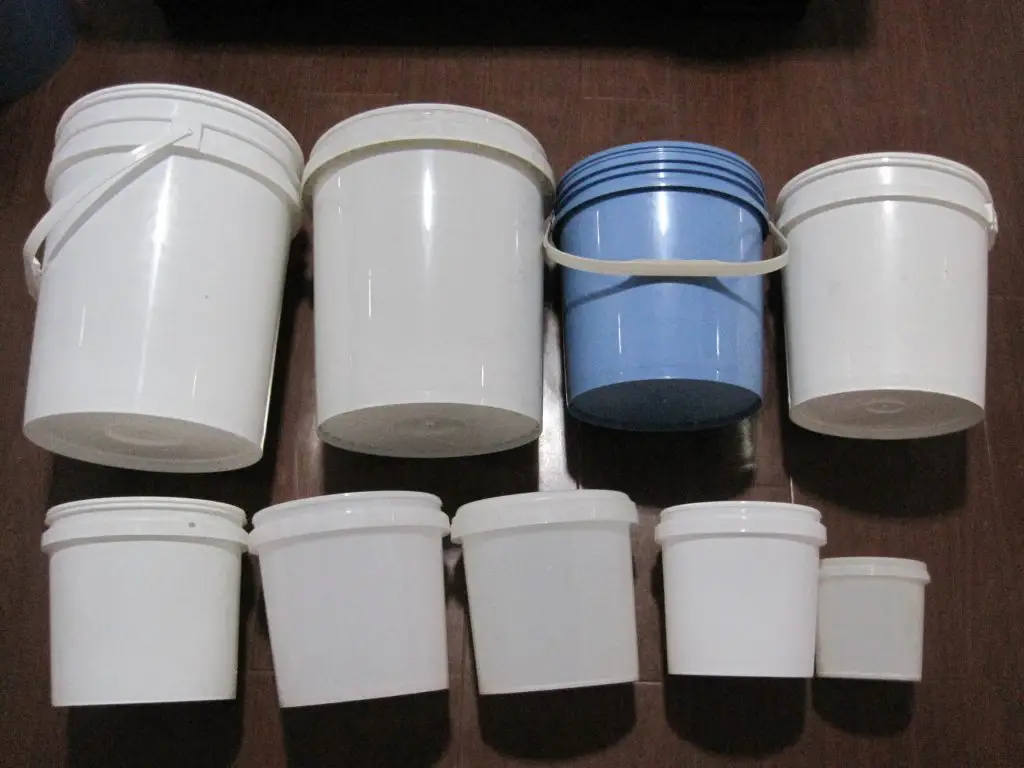
Les conditions réelles de production sont importantes. Le coût total de possession dépend de la stabilité du temps de cycle, du faible taux de rebut et de la réduction des temps d'arrêt, et pas seulement du prix de l'outillage.
Devis A : Prix le plus bas
- Refroidissement de base / ventilation limitée
- Temps d'essai plus court ; validation d'une fenêtre de processus limitée
- Risque accru de dérive du temps de cycle et de rebut
- La maintenance apparaît plus tôt dans la production de masse
Devis B : Optimisé pour le TCO
- Refroidissement équilibré pour une durée de cycle stable
- Stratégie de ventilation visant à réduire les traces de brûlure et les défauts de remplissage
- Hypothèse de rebut défini + mesure au procès
- Zones d'usure renforcées pour une plus longue durée de vie du moule
Questions à poser en matière d'achats (copier-coller)
Options et personnalisation
Prêt pour l'IML
La structure du moule peut être préparée pour des lignes d'étiquetage automatisées dans le moule.
Multi-cavités
Les solutions multi-empreintes réduisent le coût par pièce pour les programmes à volume annuel élevé.
Marques de canaux chauds
YUDO / Mold-Masters / Husky (ou équivalent) en fonction de la norme de votre usine.
Si vous utilisez des lignes automatisées (robot take-out / IML-ready), nous pouvons concevoir la structure du moule en conséquence.
Ce dont nous avons besoin pour établir un devis précis
Envoyez les détails ci-dessous pour recevoir une proposition rapide et comparable en matière d'outillage.
- Fichier 3D : STEP / IGES (de préférence)
- Qualité de la résine (PP/HDPE + additifs éventuels)
- Volume annuel et durée cible du cycle (si connue)
- Exigences cosmétiques (finition / logo / IML)
- Dimensions critiques et plages de tolérance
Le moyen le plus rapide
Envoyez-nous vos fichiers et vos spécifications, et nous vous répondrons en vous présentant un concept d'outillage, les délais de fabrication et des informations sur le coût total de possession (TCO).
