





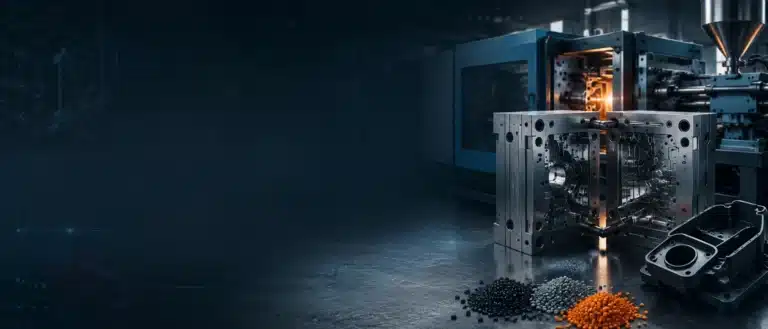
Sind Sie auf der Suche nach einem ABS-Spritzgießen Hersteller und Designer - der die Rentabilität Ihres Unternehmens verbessern wird? Suchen Sie nicht weiter als Topworks Plastic mold: Ein chinesisches Spritzgussunternehmen, das kundenspezifischen ABS-Kunststoff-Spritzguss mit vollem Service anbietet.
Wichtige Material- und Prozessspezifikationen
| Eigentum | Wert |
|---|---|
| Zugfestigkeit | 40-50 MPa |
| Schrumpfungsrate | 0,4-0,7% - ermöglicht präzise Toleranzen |
| Wärmeumlenkung temp | 95-105°C (Betriebsbereich -20°C bis 80°C) |
| Trocknung erforderlich | 80-90°C für 2-4 Stunden, Feuchtigkeit unter 0,1% |
| Temperatur der Form | 50-80°C - höher verbessert die Oberflächengüte |
| Typische Wandstärke | 1,2-3,5 mm, Abweichung unter 25% gehalten |
Häufige ABS-Mängel Topworks-Steuerungen
Starten Sie Ihr ABS-Projekt mit Topworks
Senden Sie STEP/IGES + ABS-Sorte + Jahresvolumen + CTQ-Abmessungen für eine angebotsfertige DFM-PrüfungABS-Spritzgießen in China aus einer Hand - zeitgesteuert, qualitätsstabil, kostenberechenbar
Topworks bietet OEMs und Markenartiklern ABS-Spritzgießdienstleistungen aus einer Hand, die DFM, Werkzeugbau, Bemusterung, Massenproduktion und Qualitätskontrolle unter der Verantwortung eines einzigen Teams umfassen.
Beste Ergebnisse mit: STEP/IGES + ABS-Sorte (z.B. FR / hitzebeständig) + Jahresvolumen + kosmetische Anforderungen + CTQ-Abmessungen.

Ein einziger Anbieter, der von Anfang bis Ende verantwortlich ist
Keine Übergaben. Keine Schuldzuweisung “Werkzeughersteller gegen Spritzgusshersteller”. Ein System steuert den Output.
Weniger Überraschungen, weniger Nachschnitte
DFM vor dem Stahlbau + strukturierte Stichproben reduzieren Versuch und Irrtum und schützen den Zeitplan.
Zyklusstabilität + Ausschusskontrolle
Das niedrigste Angebot ist selten gleichbedeutend mit den niedrigsten Gesamtkosten. Eine stabile Produktion gewinnt lange Laufzeiten.
Warum Käufer das ABS-Spritzgießen aus einer Hand bevorzugen
In der Praxis der Beschaffung scheitern ABS-Projekte häufiger an der Aufsplitterung der Verantwortung als an der Materialauswahl. Wenn Form, Bemusterung und Produktion von verschiedenen Parteien verwaltet werden, kommt es häufig zu Verzögerungen und Qualitätsstreitigkeiten.
ABS-Spritzguss aus einer Hand bedeutet: ein verantwortlicher Lieferant, eine technische Logik vom Entwurf bis zur Produktion, ein koordinierter Zeitplan und eine Kostenstruktur, die auf die Realität der Massenproduktion abgestimmt ist.
Was “One-Stop” bei Topworks bedeutet
1) DFM-First-Review
Wandstärke, Rippen/Bosse, Anschnittposition, Verzug, kosmetische Oberflächen, CTQ/Toleranzzonen.
2) Produktionsfertige Werkzeuge
Ausgewogene Kühlung und Belüftung für ABS-Stabilität und Wiederholbarkeit, nicht nur für Proben.
3) Probenahme + Validierung
Versuchsplan, FAI-Messung, Definition der goldenen Probe, Festlegung des Prozessfensters für die Produktion.
4) Massenproduktion
Prozessüberwachung, Kosmetikkontrolle, Maßprüfungen, Unterstützung bei Verpackung und Versand.
Zeitkontrolle: Vorhersehbarkeit ist besser als “schnelle Versprechen”
Die Käufer fragen selten nur “wie schnell”. Sie wollen wissen, ob das Programm im Zeitplan bleibt. Durch frühzeitige DFM-Entscheidungen, weniger Bemusterungsrunden und eine schnellere Problemlösung innerhalb eines Teams wird Zeit gewonnen.
- DFM vor dem Schneiden von Stahl reduziert das Nacharbeitsrisiko
- Klare Stichprobenziele vermeiden endlose Iterationen
- Ein Lieferant löst Probleme ohne Verzögerungen bei der Übergabe
Qualität: Stabile Produktion, keine “perfekten Muster”
Bei der Massenproduktion versagen schwache Werkzeug-/Prozesssysteme. ABS-Risiken werden durch Design + Kühlung + Prozessfensterdisziplin kontrolliert.
- Einfallstellen über Rippen/Böden
- Verzug verursacht Montagefehler
- Brandflecken / kurze Schüsse durch schlechte Entlüftung
- Kosmetische Unstimmigkeiten zwischen Schichten/Chargen
- Dimensionsdrift über lange Zeiträume
Kostenkontrolle: Gesamtkosten, nicht nur Stückpreis
Erfahrene Einkäufer bewerten die Gesamtbetriebskosten (TCO): Ausschuss, Nacharbeit, Ausfallzeiten und Zyklenstabilität. Niedrige Werkzeugkosten können zu hohen Produktionskosten führen, wenn Kühlung, Entlüftung und Prozessfenster nicht für lange Laufzeiten ausgelegt sind.
- Stabile Zykluszeiten senken die Stückkosten im großen Maßstab
- Geringere Ausschussrate schützt Lieferung und Budget
- Weniger Änderungen an der Form verringern die versteckten Kosten
- Stabile Leistung reduziert Brandbekämpfung und Anlagenstillstände
ABS-Fehlerkontrollen (Topworks-Ansatz)
| Defekt | Risiko des Käufers | Gemeinsame Grundursache | Topworks Kontrolle |
|---|---|---|---|
| Einfallstellen | Kosmetische Ablehnung | Dicke Rippen/Knospen, schlechte Packungsbalance | Optimierung des Rippenverhältnisses + Nabenentkernung + Anschnitt/Packungsabstimmung + Kühlungsbilanz |
| Verzug | Montagefehler | Ungleichgewicht der Kühlung, Eigenspannung | Neugestaltung der Kühlung (Baffles/Bubblers) + Anschnittbilanz + validiertes Prozessfenster |
| Brandflecken | Äußerer Mangel | Eingeschlossenes Gas, unzureichende Entlüftung | Entlüftungs-/Überlaufstrategie + gestaffelte Füllgeschwindigkeit + Temperaturregelung |
| Kurze Schüsse | Schrottspitzen | Durchflussbegrenzung, schlechte Entlüftung | Schieberdimensionierung + Entlüftung + Optimierung der Fließwege |
ABS-Fallstudien (Vorher/Nachher)
Fall 1: Kosmetisches ABS-Gehäuse - Sinkspuren
- Sichtbares Einfallen über Rippen und Naben
- Kosmetische Ablehnung bei der Eingangskontrolle
- Rippendicke optimiert; Naben entkernt
- Packungsprofil stabilisiert; Anschnittbalance verbessert
- Abgestimmte Kühlung zur Reduzierung lokaler Hot Spots

Fall 2: ABS-Strukturhalterung - Verformung
- Verdrehung nach dem Auswurf verursacht Fehlausrichtung
- Maßabweichung zwischen den Kavitäten
- Umgestaltung der Kühlung (Leitbleche) zum Temperaturausgleich
- Anschnittstelle zur Reduzierung der Spannungskonzentration abgestimmt
- Halte-/Verpackungsfenster für die Produktion validiert
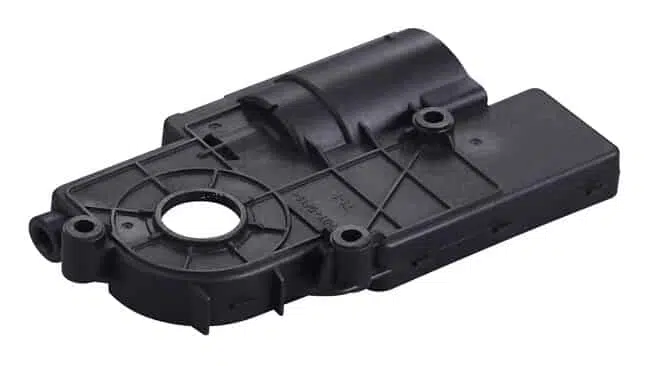
Fall 3: Dünnwandige ABS-Lünette - Brandspuren
- Brandspuren am Ende der Füllung
- Uneinheitliches Erscheinungsbild im Schichtbetrieb
- Zusätzliche Entlüftung/Überlauf am Ende der Befüllung
- Gestufte Füllgeschwindigkeit zur Reduzierung der Schererwärmung
- Standardisierte Startparameter für Wiederholbarkeit

Für wen ist dieser Dienst gedacht?
- OEM-Hersteller und Markeninhaber
- Beschaffungsteams, die aus China einkaufen
- Ingenieurteams, die eine stabile Produktion und nicht nur Muster benötigen
- Programme, bei denen es auf kosmetische Qualität und Passgenauigkeit der Montage ankommt
Für wen dies NICHT geeignet ist
- Einkäufer wählen Lieferanten nur nach dem niedrigsten Werkzeugpreis aus
- Projekte ohne klare Anforderungen oder CTQs
- Einmalige Prototypenkäufer ohne Produktionsplan
Das Herausfiltern von reinen Preisprojekten schützt die Lieferung, die Qualität und die technische Ausrichtung ernsthafter Programme.
FAQs - ABS-Spritzgießen (Topworks)
Was brauchen Sie, um einen genauen Kostenvoranschlag für das ABS-Spritzgießen zu erstellen?
Wie kontrolliert man Einfallstellen und Verzug bei ABS?
Können Sie die Gesamtkosten und nicht nur die Werkzeugkosten senken?
Unterstützen Sie einen Service aus einer Hand, von der Werkzeugherstellung bis zum Versand?
Hilfreiche Ressourcen
Nutzen Sie diese Links, um Kosten, Prozesse, Mängel und Beschaffungsrisiken zu bewerten.
Sind Sie bereit, Ihr ABS-Projekt zu starten?
Schicken Sie CAD + Anforderungen an Topworks, um ein Angebot für eine DFM-Prüfung und einen produktionsorientierten ABS-Formplan zu erhalten.
Taste
ABS-Spritzgießen FAQ
Die 10 wichtigsten Fragen zum ABS-Kunststoffspritzgießen
ABS-Spritzguss ist ein Herstellungsverfahren, bei dem Spritzgussmaschinen eingesetzt werden, um Teile aus Acrylnitril-Butadien-Styrol-Kunststoff (ABS) herzustellen. Bei diesem Verfahren wird das ABS-Granulat auf 200-250 °C erhitzt, bis es schmilzt, und dann unter hohem Druck (10.000-20.000 psi) in eine Präzisionsform gespritzt, wo es abkühlt und in der gewünschten Form erstarrt.
ABS ist einer der beliebtesten Thermoplaste für das Spritzgießen, da es ein ausgezeichnetes Gleichgewicht zwischen Festigkeit, Schlagzähigkeit, Oberflächengüte und Kosteneffizienz bietet. Es wird häufig für Automobilteile, Unterhaltungselektronik, Spielzeug, Haushaltsgeräte und Industrieteile verwendet.
Schlagzähigkeit: Hervorragende Zähigkeit auch bei niedrigen Temperaturen (-20°C bis -40°C), daher ideal für langlebige Produkte
Mechanische Festigkeit: Zugfestigkeit von 40-50 MPa mit guter Steifigkeit und Maßhaltigkeit
Oberflächenqualität: Hervorragendes Oberflächenfinish mit hohem Glanzpotenzial, leicht zu bemalen, zu plattieren oder zu bedrucken
Hitzebeständigkeit: Betriebstemperaturbereich von -20°C bis 80°C, mit einer Wärmeverformungstemperatur von 95-105°C
Chemische Beständigkeit: Gute Beständigkeit gegen Säuren, Laugen und die meisten Chemikalien, aber empfindlich gegen Aceton und starke Lösungsmittel
Verarbeitbarkeit: Hervorragende Fließeigenschaften und geringe Schrumpfungsrate (0,4-0,7%), die präzise Toleranzen ermöglichen
Automobilindustrie: Komponenten des Armaturenbretts, Innenverkleidungen, Türverkleidungen, Spiegelgehäuse, Radabdeckungen, Kühlergrills
Elektronik: Computertastaturen, Monitorgehäuse, Druckergehäuse, Telefongehäuse, Gehäuse für Elektrowerkzeuge
Konsumgüter: Spielzeug (LEGO-Steine), Sportartikel, Gepäck, Küchengeräte, Staubsaugerteile
Medizinische Geräte: Gehäuse für nicht-implantierbare medizinische Geräte, Gehäuse für Diagnosegeräte
Industriell: Schutzausrüstungen, elektrische Gehäuse, Rohrverbindungen, Schutzhelme
Trocknen: Wesentlich - Trocknen von ABS bei 80-90°C für 2-4 Stunden (der Feuchtigkeitsgehalt sollte unter 0,1% liegen)
Temperatur des Fasses: Hintere Zone 180-200°C, mittlere Zone 200-220°C, vordere Zone 220-240°C, Düse 220-250°C
Temperatur der Form: 50-80°C (höhere Temperaturen verbessern die Oberflächengüte, erhöhen aber die Zykluszeit)
Einspritzdruck: 80-140 MPa (10.000-20.000 psi) je nach Komplexität des Teils
Einspritzgeschwindigkeit: Mittlere bis hohe Geschwindigkeit für beste Ergebnisse, wobei sehr langsame Geschwindigkeiten, die Fließspuren verursachen, zu vermeiden sind
Abkühlzeit: Typischerweise 20-90 Sekunden je nach Wandstärke (rechnen Sie mit etwa 1 Sekunde pro 1 mm Wandstärke)
Materialkosten: ABS-Harz kostet je nach Qualität und Menge $1,50-$3,50 pro kg
Kosten für Werkzeuge/Formen:
- Einfache Einzelkavitätenform: $3,000-$8,000
- Mittlere Komplexität (2-4 Kavitäten): $12,000-$25,000
- Großvolumige Multikavitäten: $35.000-$80.000+
Kosten pro Teil: Für Serienproduktion (10.000+ Teile): $0,50-$5,00 pro Teil je nach Größe und Komplexität
Einrichtungskosten: Typische Einrichtung/Probelauf: $500-$2.000
Die Gesamtkosten sinken erheblich mit der Menge - Teile können bei geringen Mengen (100-500) $10-$20 pro Stück kosten, bei hohen Mengen (100.000+) fallen sie auf unter $1.
Fließspuren/Schweißnähte: Erhöhung der Werkzeugtemperatur auf 70-80°C, Erhöhung der Einspritzgeschwindigkeit, Optimierung der Anschnittposition
Sinkende Markierungen: Verringerung der Wanddickenschwankungen, Erhöhung des Nachdrucks und der Nachdruckzeit, Gewährleistung einer ausreichenden Kühlung
Verkrümmen: Verringerung der Temperaturdifferenz zwischen Kern und Kavität, Gewährleistung einer gleichmäßigen Wandstärke, Optimierung der Kühlkanäle
Brandflecken: Reduzieren der Einspritzgeschwindigkeit, Senken der Zylindertemperatur, Verbessern der Entlüftung, Reduzieren der Schließkraft
Silberstreifen/Spiele: Material gründlich trocknen (häufigste Ursache), Trommeltemperatur senken, auf Verschmutzung prüfen
Short Shots: Einspritzdruck und -geschwindigkeit erhöhen, Schmelzetemperatur erhöhen, Entlüftung verbessern, auf kalte Anschnitte prüfen
Ja, ABS ist in hohem Maße recycelbar und wird in der Regel im Spritzgussverfahren wiederverwendet:
Regrind Verwendung: Postindustrieller ABS-Abfall (Angüsse, Angüsse, ausgeschiedene Teile) kann gemahlen und in einer 10-25%-Mischung mit neuem Material ohne signifikanten Eigenschaftsverlust wiederverwendet werden.
Überlegungen zur Qualität: Jeder Wiederaufbereitungszyklus führt zu einer leichten Verschlechterung der mechanischen Eigenschaften aufgrund des Abbaus der Polymerkette. Begrenzen Sie die Wiederaufbereitung auf 3-5 Zyklen für kritische Anwendungen
Bewährte Praktiken: Halten Sie das Regranulat sauber und trocken, vermeiden Sie das Mischen verschiedener ABS-Typen oder -Farben und prüfen Sie die mechanischen Eigenschaften, wenn Sie mehr als 15% Regranulat verwenden.
Post-Consumer-Recycling: ABS aus Elektronik- und Automobilteilen kann recycelt werden, allerdings sind Sortierung und Reinigung entscheidend für die Qualität.
Die Verwendung von recyceltem ABS senkt die Kosten um 20-40% und unterstützt die Ziele der Nachhaltigkeit, während die Qualität der Teile für viele Anwendungen akzeptabel bleibt.
Wanddicke: Eine gleichmäßige Dicke von 1,2–3,5 mm einhalten; Abweichungen von mehr als 25% vermeiden, um Einfallstellen und Verformungen zu verhindern
Entwurfswinkel: Mindestens 0,5-1° pro Seite für glatten Auswurf; strukturierte Oberflächen erfordern 1-3° zusätzlichen Tiefgang
Rippen und Bosse: Die Rippendicke sollte 50-60% der Wanddicke betragen, die Nabenwanddicke 50% der Nennwand
Eckradien: Verwenden Sie einen Mindestradius von 0,5 mm für Innenecken und 1,5 mm für Außenecken, um Spannungskonzentrationen zu vermeiden.
Hinterschneidungen: Minimieren oder vermeiden; wenn nötig, für seitlich wirkende Kerne oder zusammenklappbare Kerne konstruieren
Standort des Tors: Platzieren Sie Anschnitte in nicht sichtbaren Bereichen; verwenden Sie mehrere Anschnitte für große Teile, um die Füllzeit und den Druck zu reduzieren
Toleranzen: ABS kann ±0,1-0,2 mm für Dimensionen unter 50 mm bei geeigneter Formgestaltung erreichen
ABS vs. Polypropylen (PP): ABS bietet eine bessere Steifigkeit, Oberflächenbeschaffenheit und Dimensionsstabilität; PP ist flexibler, chemikalienbeständig und billiger.
ABS vs. Polycarbonat (PC): PC hat eine höhere Schlagzähigkeit und Hitzebeständigkeit (bis zu 120°C); ABS ist einfacher zu verarbeiten, billiger und hat eine bessere Oberflächenqualität.
ABS vs. Nylon (PA): Nylon bietet überlegene mechanische Festigkeit und Verschleißfestigkeit; ABS bietet bessere Dimensionsstabilität und Oberflächenqualität bei geringeren Kosten
ABS vs. HIPS: ABS hat eine deutlich bessere Schlagzähigkeit und mechanische Eigenschaften; HIPS ist billiger und lässt sich leichter thermoformen.
ABS vs. PC/ABS-Mischung: PC/ABS kombiniert die Vorteile beider Materialien und bietet eine bessere Hitze- und Schlagfestigkeit als reines ABS bei 20-30% höheren Kosten
ISO 9001: Allgemeines Qualitätsmanagementsystem für Herstellungsverfahren und Konsistenz
ISO 2580: Spezifische Norm für ABS-Formmassen, die Eigenschaften und Prüfverfahren definiert
ASTM D4673: Standardklassifizierung für ABS-Materialien nach physikalischen und mechanischen Eigenschaften
UL 94: Prüfung der Entflammbarkeit von ABS-Teilen in elektrischen und elektronischen Anwendungen
RoHS/REACH: Einhaltung der Vorschriften für eingeschränkte Stoffe, insbesondere für Elektronik- und Automobilanwendungen
FDA-Zulassung: Erforderlich für Anwendungen mit Lebensmittelkontakt, die FDA-konforme ABS-Typen verwenden
Normen für die Automobilindustrie: IATF 16949 für Automobilzulieferer, plus OEM-spezifische Anforderungen
Die Qualitätskontrolle sollte Maßprüfungen, Sichtprüfungen, mechanische Prüfungen (Zug, Schlag) und Umweltprüfungen (UV, Temperaturwechsel) je nach Anwendungsanforderungen umfassen.
