





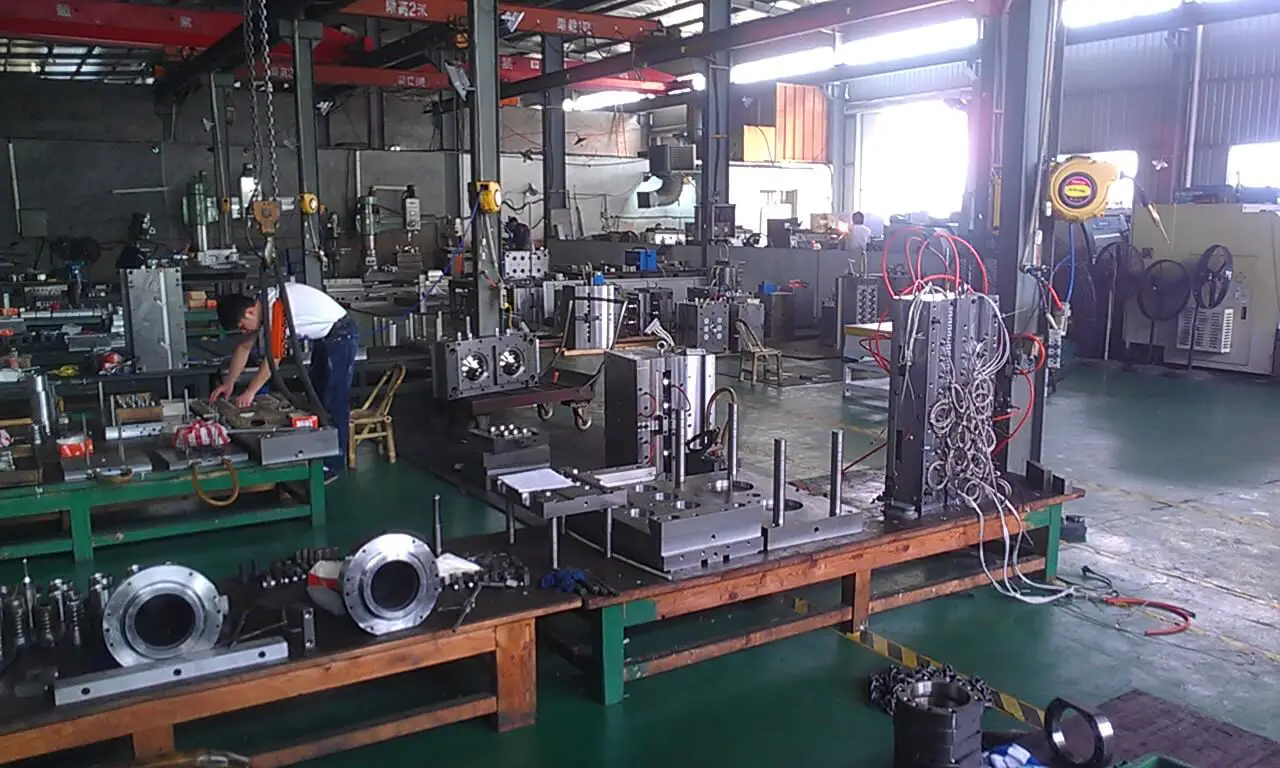
PET-Vorformling Hersteller (China)
PET-Vorformwerkzeuge mit hoher Kavität, entwickelt für stabile Zykluszeiten, gleichmäßige Halsoberfläche und lange Lebensdauer der Form. Gebaut, um Ihre Gesamtbetriebskosten (TCO) zu senken - nicht nur die Anschaffungskosten für das Werkzeug.
- Gewichtsbereich der Vorformlinge: 8g-120g (Brauch)
- Hals-Bearbeitungen: PCO / 1881 / 1810 / 29/25 (Brauch)
- Hohlräume: 1-96+ (projektbezogen)
- Gating: Nadelverschluss / Heißkanal
Beste Ergebnisse mit Vorformlingsziehen + Mündung + Zielgewicht + Harz/IV + Jahresproduktion + Ihre Heißkanalpräferenz.
Typische Projektziele
Gut geeignet, wenn Sie benötigen
- Konsistente Mündung für Hochgeschwindigkeitsblasanlagen
- Stabile Zykluszeit und vorhersehbare Produktionsplanung
- Lange Lebensdauer der Form bei kontrolliertem Wartungsrisiko
- Klarer Umfang: Heißkanal, Ersatzteile, Validierungsergebnisse
Video: PET-Vorformlingswerkzeug in der Produktion
Visueller Nachweis einer stabilen Produktion und Formleistung - nützlich beim Vergleich von Anbietern über den Werkzeugpreis hinaus.
Produktübersicht
Bei der Herstellung von PET-Preforms kommt es auf Wiederholbarkeit an: Genauigkeit der Mündung, gleichbleibendes Gewicht der Preforms und thermisches Gleichgewicht. Unsere Formen sind für stabile Produktionsfenster ausgelegt und reduzieren Ausschuss, Ausfallzeiten und Kosten pro Preform über den gesamten Lebenszyklus.
Abdeckung der Vorformlingsspezifikation
Teilen Sie uns Ihren Mündungsstandard und Ihr Zielgewicht für die Vorform mit. Wir stimmen Formenlayout, Anschnitt und Kühlung auf Ihr Harz/IV, die Produktionsanforderungen und die Kompatibilität der Blasanlage ab.
Kontrolle der Halsoberfläche
Kritische Abmessungen und Dichtflächen werden als “Must-Hold”-Bereiche behandelt, um den korrekten Sitz der Kappe und die Dichtheit zu gewährleisten.
Gewicht und Wandkonsistenz
Die Hohlraumbilanz und die Validierung des Prozessfensters tragen dazu bei, Gewichtsschwankungen und Defekte unter Kontrolle zu halten, um ein stabiles Blasen zu gewährleisten.
Planung der Leistung
Kavitations- und Zykluszeitziele werden gemeinsam entwickelt, so dass Ihre Gesamtleistung dem Jahresbedarf entspricht und die Betriebszeit vorhersehbar ist.
Typische Anwendungen
Engineering & Formenbau Highlights
Thermisches Gleichgewicht für stabilen Zyklus
Die ausgewogene Kühlung reduziert Hot Spots und verkürzt die Zykluszeit bei gleichbleibender Geometrie der Vorform.
Nadelverschluss & Durchflusskontrolle
Heißkanal- und Nadelverschlusslösungen werden ausgewählt, um eine gleichmäßige Befüllung zu unterstützen, Anschnittfehler zu reduzieren und die Wiederholbarkeit zu verbessern.
Verschleißstrategie & lange Lebensdauer der Form
Verschleißkritische Bereiche sind auf Langlebigkeit und Wartungsfreundlichkeit ausgelegt, um Ausfallzeiten zu reduzieren und die langfristige Leistung zu sichern.
Niedrige Werkzeugkosten gegenüber niedrigeren Gesamtbetriebskosten (TCO)
Bei der Herstellung von PET-Vorformlingen werden die tatsächlichen Kosten durch stabile Zykluszeiten, kontrollierten Ausschuss und zuverlässige Betriebszeiten bestimmt. Vergleichen Sie Angebote mit einem Blick auf die Produktion und nicht nur auf den Rechnungspreis.

Echte Werkzeugdetails sind wichtig für die Betriebszeit und die Ausschusskontrolle - wichtige Faktoren für die TCO in der Preform-Produktion mit hoher Kavität.
Angebot A: Niedrigster Preis
- Vereinfachung der Kühlung; Risiko des thermischen Ungleichgewichts
- Begrenzte Validierung; enges Prozessfenster
- Höheres Risiko von Halsvariationen, kurzen Schlägen, Besaitung
- Wartungsarbeiten werden in der Produktion früher sichtbar
Angebot B: Optimiert für TCO
- Ausgewogene Kühlung für stabile Zykluszeiten
- Heißkanal/Ventilanschnitt, abgestimmt auf Ihr Harz und Ihre Leistung
- Definierte Ausschussannahme + Messung beim Versuch
- Wartungsfähige Verschleißbereiche zur Reduzierung von Ausfallzeiten
Fragen zur Beschaffung (Kopieren und Einfügen)
Optionen und Anpassung
Heißkanal-Markenoptionen
Mold-Masters / Husky / YUDO / oder Ihr Werksstandard (projektbezogen).
Kavitation & Layout
Vom Prototyp bis zur hohen Kavitation - ausgelegt auf Leistung, Druckmaschinenleistung und Betriebszeitziele.
Ersatzteilpaket
Empfohlene Ersatzteilliste verfügbar, um unerwartete Ausfallzeiten in der Massenproduktion zu reduzieren.
Qualität, Validierung und Ergebnisse
Bericht zur Studie
Probenahmeergebnisse, Schlüsselmaße und Empfehlungen für stabile Parameter zur Unterstützung des Hochlaufs der Massenproduktion.
Ansatz für die Inspektion
Kritische Abmessungen (Mündungszonen) können mit Hilfe von Vorrichtungen/CMM auf der Grundlage der Projektanforderungen überprüft werden.
Klarheit des Geltungsbereichs
Klare Einschlüsse/Ausschlüsse für Heißkanäle, Ersatzteile, Elektroden und Validierung, um Verwirrung bei den Angeboten zu vermeiden.
Was wir für ein genaues Angebot benötigen
Senden Sie uns Ihre Angaben und Sie erhalten schnell ein vergleichbares Angebot, das auf Ihren Produktionsplan und Ihre TCO-Ziele abgestimmt ist.
- Vorformling 2D/3D + Mündung Standard (PCO/1881/1810/29/25, etc.)
- Zielgewicht der Vorformlinge, Harz und IV (und eventuelle Zusatzstoffe)
- Erforderliche Kavitation und jährliches Produktionsziel
- Heißkanal/Ventilschieberpräferenz (falls vorhanden)
- Kritische Abmessungen und Prüfanforderungen
- Informationen zur Maschine/Presse (falls vorhanden): Tonnage, Holm, verfügbare Stapelhöhe
Schnellster Weg
Teilen Sie uns Dateien und Anforderungen mit, und wir melden uns mit einem Werkzeugkonzept, der Vorlaufzeit sowie Hinweisen zu den Gesamtbetriebskosten (Zyklusstabilität, Ausschussannahmen, Klarheit des Umfangs).

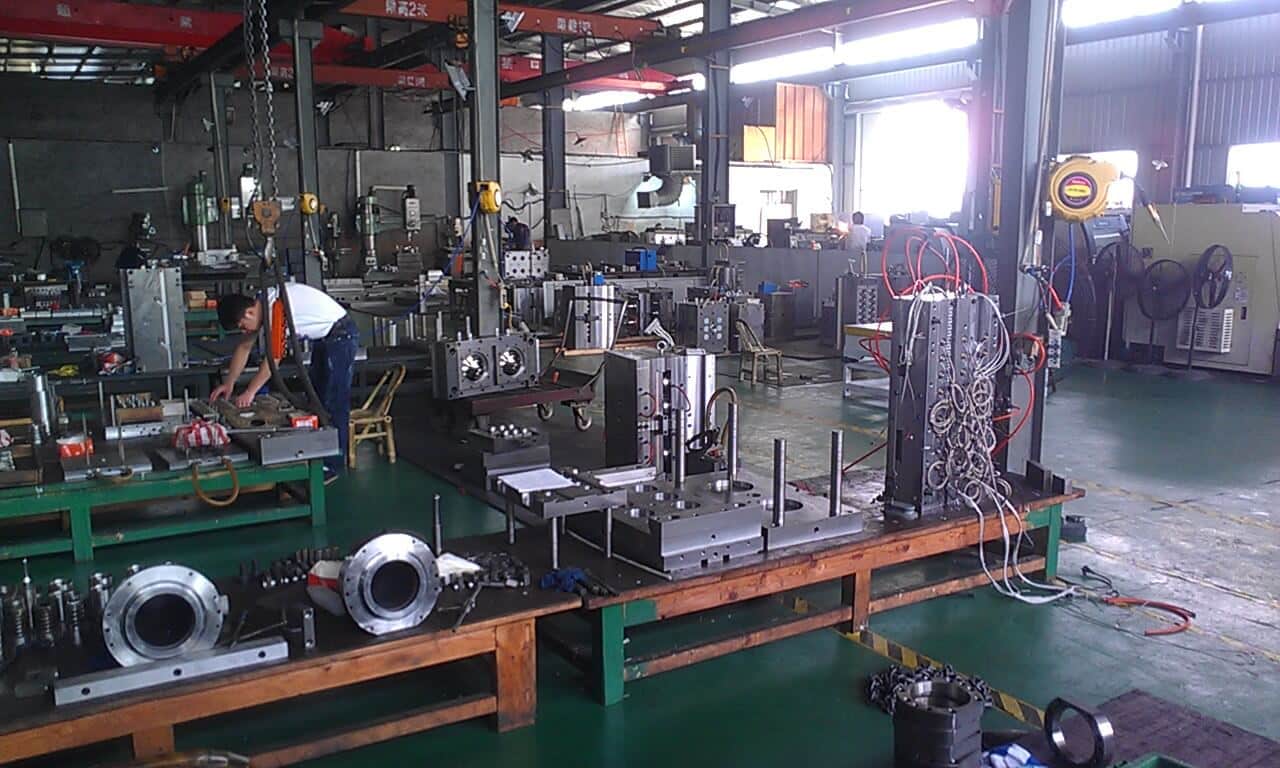


PET-Vorformling Form: FAQ
Strategische Einblicke: PET-Vorformling-Werkzeuge (Formenbau)
Gebaut für Käufer, die Anbieter vergleichen auf TCOZyklenstabilität, Konsistenz der Mündung, Wartung und Lebensdauer der Form.
1) Was macht ein Hochleistungs-PET-Preform-Werkzeug (Form) aus?
Eine leistungsstarke PET-Vorformling-Form ist auf Wiederholbarkeit bei Geschwindigkeit ausgelegt: eine ausgewogene Nadelverschluss-Heißkanalsystem für saubere Anschnittqualität und ein Kühlungslayout, das auf stabile Zykluszeiten ausgelegt ist. Das Ziel ist ein gleichmäßiges Gewicht der Vorformlinge und ein gleichmäßiges Halsfinish für Hochgeschwindigkeitsblasen und nachgelagerte Verschlussanpassung.
2) Wie kontrolliert man die Rundlaufgenauigkeit von PET-Vorformlingswerkzeugen?
Konzentrizität sorgt für eine einheitliche Wandstärke. Wir verwenden eine Kontrolle der Hohlraum-/Kernposition (Anti-Verschiebungs-/Selbstverriegelungsfunktionen) und überprüfen die Ausrichtung während der Montage und der Erprobung, um das Exzentrizitätsrisiko zu verringern und die Blaskonsistenz zu verbessern.
3) Welches Heißkanalsystem verwenden Ihre PET-Vorformling-Werkzeuge?
Wir verwenden in der Regel Nadelverschluss-Heißkanalsystem Systeme für PET-Vorformlinge, um Angussabfälle zu vermeiden und die Anschnittqualität zu verbessern. Temperaturregelung und -ausgleich sorgen für eine stabile Schmelzeverteilung in den Kavitäten.
4) Können Sie Formen für PET-Vorformlinge mit hoher Kavität herstellen?
Ja. Wir bauen Hochkavitation PET-Vorformling-Werkzeuge (typischerweise mit 16-144 Kavitäten, je nach Design). Der Schwerpunkt liegt auf dem Gleichgewicht (Anguss + Kühlung + Entlüftung), damit der Ausstoß im Maßstab stabil bleibt.
5) Welche Stähle/Materialien verwenden Sie für eine lange Lebensdauer der Formen?
Für PET-Vorformlingskavitäten/-kerne verwenden wir in der Regel korrosionsbeständige, polierbare Werkzeugstähle (z. B., S136 Klasse) mit geeigneter Wärmebehandlung und Oberflächenbehandlung, um eine lange Lebensdauer und die Anforderungen an die optische Klarheit zu erfüllen.
6) Wie erreicht man schnellere Zykluszeiten bei PET-Vorformlingswerkzeugen?
Die Zykluszeit wird hauptsächlich durch die Wärmeabfuhr bestimmt. Wir optimieren die Kühlkanäle in der Nähe der Anschnitt-/Halsregionen und der Zonen mit kritischer Dicke und wählen die Materialien/Strukturen der Einsätze auf der Grundlage des Gewichts der Vorformlinge, der Wandstärke und der erforderlichen Transparenz aus.
7) Warum sind austauschbare Einsätze bei der Herstellung von PET-Vorformlingen wichtig?
Vollständig austauschbare Kavitätenkomponenten vereinfachen die Wartung: Sie können einen einzelnen Kavitätensatz austauschen, anstatt das gesamte Werkzeug herauszunehmen. Dies reduziert die Stillstandszeiten und trägt dazu bei, dass die Produktion in Großserienbetrieben planbar bleibt.
PET-Vorformlingswerkzeug - Wichtige Spezifikationen
PET-Vorformling-Werkzeuge mit mehreren Kavitäten und Heißkanaloptionen (kurzes Ende / langes Ende / Nadelverschluss). Typische Kavitäten reichen von 8-72+, je nach Produktionsziel.
| Produkt | PET-Flaschen-Vorformling (kundenspezifische Kavitäten verfügbar) |
| Harz | PET-Harz (Qualität/IV je nach Kundenwunsch) |
| Optionen für Hohlräume | 1×8 / 1×16 / 1×24 / 1×32 / 1×48 / 1×64 / 1×72 (kundenspezifisch erhältlich) |
| Läufer & Tor | Heiße Kufe empfohlen für Vorformlinge mit hohem Durchsatz; Gate-Optionen umfassen thermisch (pin gate) und Absperrschieber (saubere Abtrennung). |
| Schwanzform | Optionen: kurzes Ende / langes Ende / Schieberventil (flaches Absperrende) |
| Auswurf | Abstreifplatte (stabiler Auswurf für PET-Vorformlinge) |
| Kern- und Hohlraumstahl | S136 / 2316 (Option: ASSAB S136 Schweden) |
| Basis der Form | P20 / 4Cr13 Standard-Formboden |
| Härte (typ.) | Platten / Schieber / Abstreifer: HRC 30-35 Kern und Hohlraum: HRC 48-52 Halsring und Verschlussring: HRC 49-51 |
| Zykluszeit | Abhängig vom Gewicht der Vorformlinge, der Wandstärke, der Temperatur der PET-Schmelze und der Kühleffizienz |
| Vorlaufzeit | 45-60 Tage (abhängig von der Anzahl der Kavitäten und der Wahl des Heißkanals) |
| Lebensdauer der Werkzeuge | Entworfen für ≥ 3 Millionen Aufnahmen (mit geplanter Wartung) |
| Garantie | 12 Monate oder 1 Million Schüsse (ohne Verschleißteile) |
