





Moldagem por injeção e Fabrico de moldes
Tudo o que o seu moldador precisa para fornecer um orçamento exato. Prepare os seus dados com antecedência e avance mais rapidamente.
Secção 01
Informações essenciais necessárias
Ficheiros CAD 3D
- De preferência ficheiros STEP
- Formato do modelo sólido
- Geometria completa
Especificações do material
- Tipo de resina (ABS, PP, PC, etc.)
- Grau específico, se conhecido
- Aditivos e corantes
Dimensões e tolerâncias
- Dimensões totais da peça
- Tolerâncias críticas
- Desenhos 2D com GD&T
Volume de produção
- Estimativa de utilização anual
- Quantidade inicial da encomenda
- Volume de vida útil projetado
Detalhes da aplicação
- Aplicação de utilização final
- Requisitos de desempenho
- Condições ambientais
Requisitos cosméticos
- Especificações de acabamento da superfície
- Preferências de localização do portão
- Requisitos estéticos
Secção 02
Apenas moldes vs. Serviço completo
| # | Requisito | Apenas construção de moldes | Construção de moldes e moldagem por injeção |
|---|---|---|---|
| 1 | Contagem de cavidades | ✦ Necessário | |
| 2 | Resina plástica | ✦ Necessário | Resina + peso (exceto se for fornecido um modelo 3D) |
| 3 | Aço e dureza do molde | ✦ Necessário | |
| 4 | Quantidade de moldes | ✦ Necessário | ✦ Necessário |
| 5 | Requisitos de superfície e portão | Acabamento do molde + localização do portão | Cor, acabamento, portão e muito mais |
| 6 | Quedas de corredores quentes | ✦ Necessário | |
| 7 | Tamanhos críticos e montagem | ✦ Necessário | ✦ Necessário |
| 8 | Embalagem | ✦ Necessário | |
| 9 | Operações secundárias | Pintura, impressão, montagem, etc. |
Secção 03
Formatos de ficheiros aceites
Mais preferido
Geometria sólida fiável
Também aceitável
CAD nativo e Parasolid
Apenas referência
Desenhos 2D apenas para referência
Opções do sistema de corrediça
Secção 04
Especificações da máquina necessárias
Força de aperto
- Requisitos de tonelagem
- Poder de retenção do molde
Tamanho do disparo
- Capacidade de volume de injeção
- Volume do sistema de peças e de canais
Espaço para moldes
- Distância da barra de ligação
- Limites de altura dos moldes
- Abertura máxima para a luz do dia
Secção 05
Serviços adicionais
Análise DFM
Otimização do design para a capacidade de fabrico e redução de custos antes do início do fabrico de ferramentas.
Desenho da peça
Criação completa de modelos CAD 3D a partir de conceitos, esboços ou amostras físicas.
Impressão 3D
Prototipagem SLA, SLS e FDM para uma validação rápida do projeto antes de se comprometer com as ferramentas.
Protótipos CNC
Protótipos de materiais com intenção de produção para testes robustos de funcionalidade e ajuste.
Ferramentas suaves
Moldes de alumínio ou aço P20 para produção de baixo volume e ferramentas de ponte.
Fundição sob vácuo
Fundição em molde de silicone para pequenas séries de pré-produção com boa qualidade de superfície.
Secção 06
Cronograma do projeto
Da conceção inicial à produção em massa - fases e durações típicas dos projectos.
- 01Conceção dos componentes ~7 diasOtimizar o design para redução de custos e capacidade de fabrico.
- 02Prototipagem de peças 2-3 diasProtótipos maquinados em CNC ou impressão 3D para validação do projeto.
- 03Desenho de ferramentas 3-7 diasFicha de informação sobre ferramentas utilizada para projetar a ferramenta do molde com precisão.
- 04Verificação da conceção da ferramenta 2-3 diasValidação da precisão do projeto da ferramenta antes do início do fabrico.
- 05Fabrico de ferramentas 3-8 semanasFabrico de precisão por maquinagem CNC e EDM.
- 06Primeiros disparos para o cliente (T1) 2-5 diasAs primeiras fotos de teste são enviadas por correio após a conclusão dos moldes.
- 07Modificações de ferramentas e texturização 3-7 diasAlterações para conformidade e texturização - etapa final antes da produção em massa.
- 08Produção em massa / Exportação de ferramentas ProntoPronto para produção em grande escala ou exportação de ferramentas.
Total aproximado para projectos típicos
Incluindo modificações e ciclos de aprovação
Da conceção à produção em série
Secção 07
Linhas cronológicas de citações
Quanto tempo se pode esperar por um orçamento, dependendo da complexidade da peça e das informações fornecidas.
- 01Peças simples - Informações completas 24-72 horasQuando todos os detalhes necessários são fornecidos antecipadamente, incluindo ficheiros 3D, material, quantidade e tolerâncias.
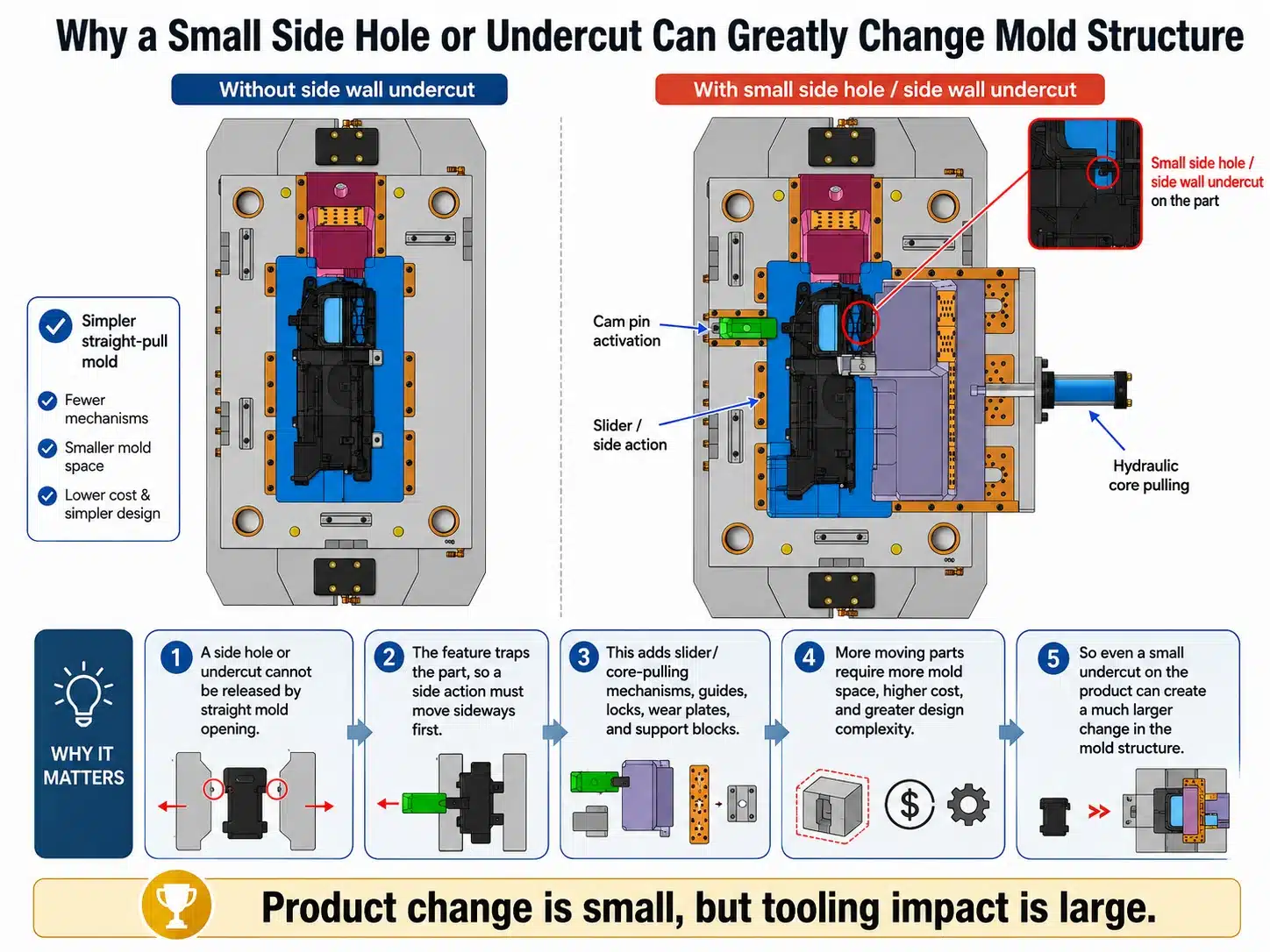
- 02Peças complexas - Análise necessária 3-10 diasPara peças com cortes inferiores, geometria complexa, tolerâncias apertadas ou requisitos de multi-cavidades.
Secção 08
Dicas para simplificar o processo de compra de moldes
Pedidos de cotação detalhados Obter cotações exactas
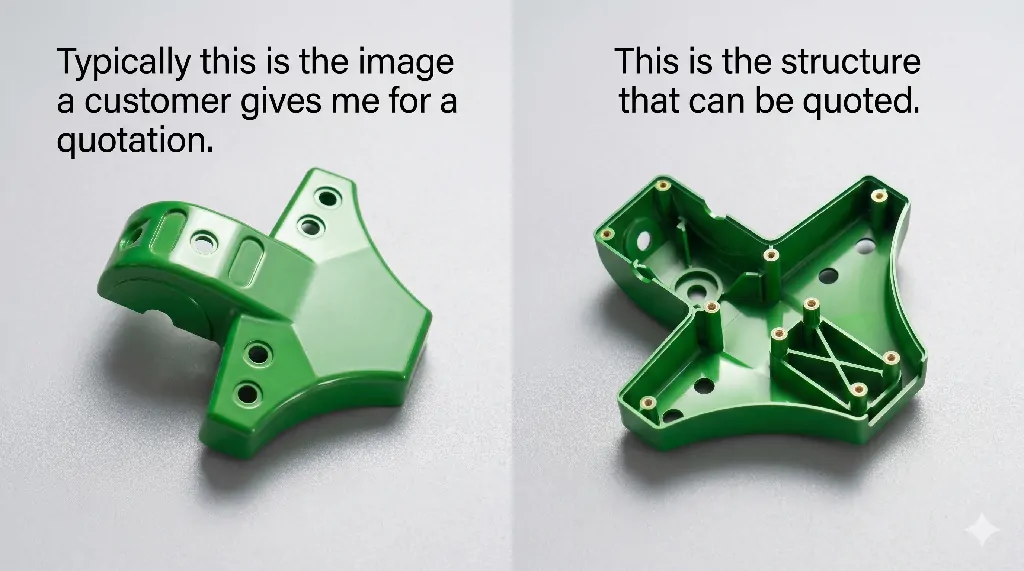
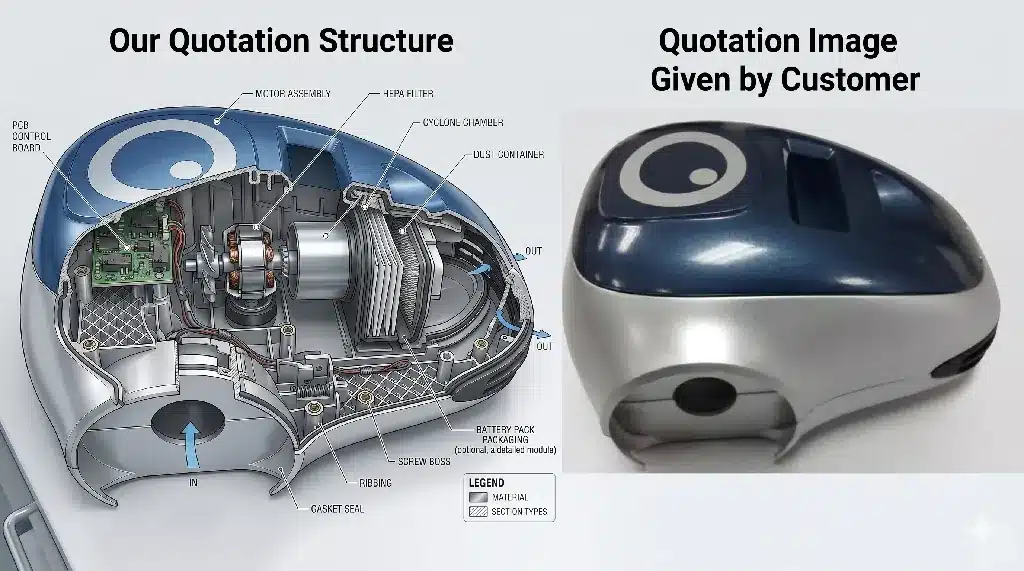
Apresente um pedido de cotação que não deixe margem para adivinhações. Inclua o tipo de molde, o número de cavidades, a preferência de aço, a vida útil esperada do molde e as expectativas de garantia.
Seja transparente no seu pedido
Seja claro quanto ao motivo da apresentação do orçamento. Não peça uma análise de engenharia completa para um projeto a realizar anos mais tarde.
Respeitar a propriedade intelectual
Seja discreto ao solicitar orçamentos. Não partilhe ideias de fabricantes de moldes concorrentes.
Parceria com o fabricante de moldes desde o início
Discuta os custos e os prazos antes de ficar preso a um projeto. Uma colaboração eficaz desde o início evita revisões dispendiosas.
Manter a comunicação contínua
Peça actualizações regulares. Muitos fabricantes de moldes utilizam diagramas de Gantt ou portais de projectos para manter os clientes informados.
Acordar as condições de pagamento
Planear pagamentos de entrada e pagamentos baseados em marcos, com o pagamento final em amostras aprovadas e expedição de moldes.
Minimizar as alterações de design
As alterações de conceção das peças após o início do fabrico das ferramentas atrasam os prazos de entrega e aumentam significativamente os custos.
Definir critérios de conclusão
Um molde está completo quando produz peças que cumprem as especificações de impressão. Todas as alterações após a aprovação requerem ECOs.
Cuidado com as ofertas irrealistas
Se uma oferta parece demasiado boa para ser verdade, normalmente é. A qualidade do molde afecta diretamente a qualidade da peça durante milhões de ciclos.
Pronto para iniciar o seu projeto?
Contacte-nos com as suas necessidades para obter um orçamento detalhado.
Obter um orçamento →