





Stampaggio a iniezione e Costruzione di stampi
Tutto ciò di cui il vostro stampatore ha bisogno per fornire un preventivo accurato. Preparate i vostri dettagli in anticipo e procedete più rapidamente.

Sezione 01
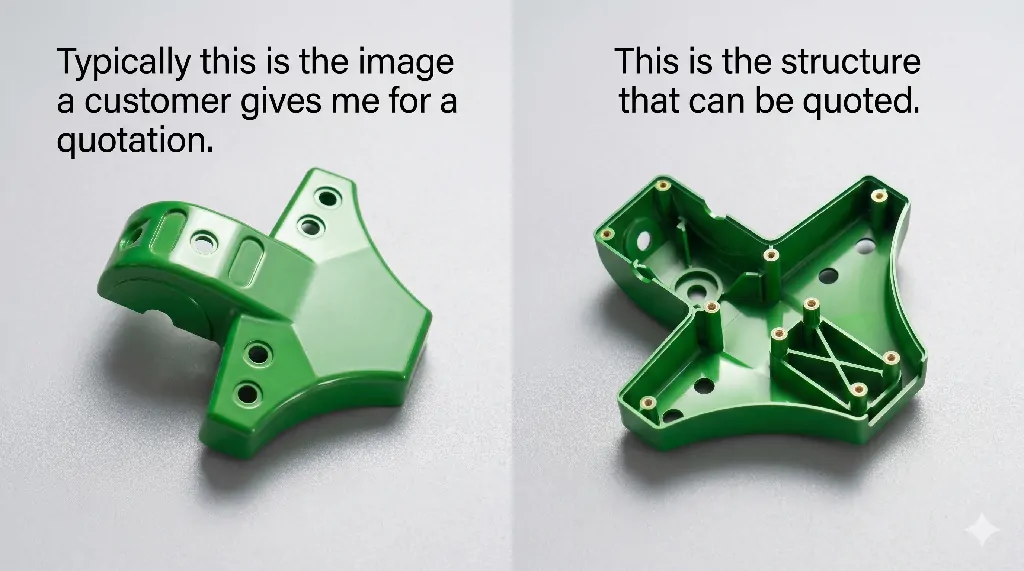
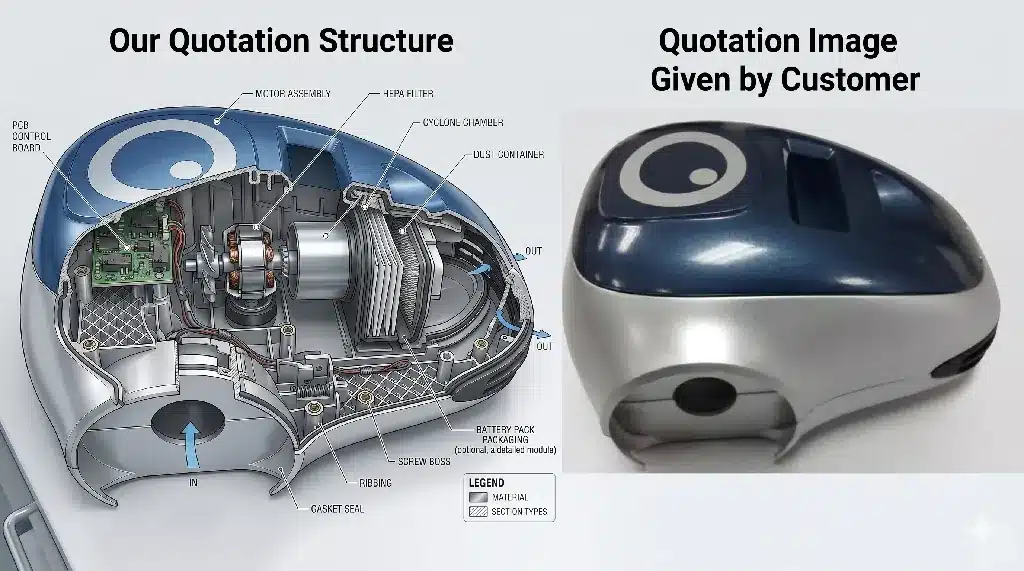
Informazioni essenziali richieste
File CAD 3D
- Preferibilmente file STEP
- Formato del modello solido
- Geometria completa
Specifiche del materiale
- Tipo di resina (ABS, PP, PC, ecc.)
- Grado specifico, se noto
- Additivi e coloranti
Dimensioni e tolleranze
- Dimensioni complessive del pezzo
- Tolleranze critiche
- Disegni 2D con GD&T
Volume di produzione
- Utilizzo annuale stimato
- Quantità iniziale dell'ordine
- Volume di vita previsto
Dettagli sull'applicazione
- Applicazione finale
- Requisiti di prestazione
- Condizioni ambientali
Requisiti cosmetici
- Specifiche della finitura superficiale
- Preferenze per la posizione del cancello
- Requisiti estetici
Sezione 02
Solo stampo o servizio completo
| # | Requisiti | Solo edificio con muffa | Costruzione di stampi e stampaggio a iniezione |
|---|---|---|---|
| 1 | Numero di cavità | Richiesto | |
| 2 | Resina plastica | Richiesto | Resina + peso (a meno che non venga fornito un modello 3D) |
| 3 | Acciaio e durezza dello stampo | Richiesto | |
| 4 | Quantità di stampaggio | Richiesto | Richiesto |
| 5 | Requisiti della superficie e del cancello | Finitura dello stampo + posizione del cancello | Colore, finitura, cancello e altro ancora |
| 6 | Gocce di corridore caldo | Richiesto | |
| 7 | Dimensioni critiche e assemblaggio | Richiesto | Richiesto |
| 8 | Imballaggio | Richiesto | |
| 9 | Operazioni secondarie | Verniciatura, stampa, assemblaggio, ecc. |
Sezione 03
Formati di file accettati
Il più preferito
Geometria solida affidabile
Accettabile anche
CAD nativo e Parasolid
Solo riferimento
Disegni 2D solo per riferimento
Opzioni del sistema Runner
Sezione 04
Specifiche della macchina necessarie
Forza di serraggio
- Requisiti di tonnellaggio
- Potere di tenuta dello stampo
Dimensione del colpo
- Capacità del volume di iniezione
- Volume dei pezzi e del sistema di scorrimento
Spazio stampo
- Distanza tra i tiranti
- Limiti di altezza dello stampo
- Apertura massima della luce diurna
Sezione 05
Servizi aggiuntivi
Analisi DFM
Ottimizzazione della progettazione per la producibilità e la riduzione dei costi prima dell'inizio dell'attrezzaggio.
Parte Design
Creazione completa di modelli CAD 3D a partire da concetti, schizzi o campioni fisici.
Stampa 3D
Prototipazione SLA, SLS e FDM per una rapida convalida del progetto prima di impegnarsi nella produzione di utensili.
Prototipi CNC
Prototipi di materiali destinati alla produzione per test funzionali e di adattamento.
Utensili morbidi
Stampi in alluminio o in acciaio P20 per la produzione di bassi volumi e per l'attrezzaggio di ponti.
Colata sotto vuoto
Colata di stampi in silicone per piccole serie di pre-produzione con buona qualità superficiale.
Sezione 06
Cronologia del progetto
Dalla progettazione iniziale alla produzione in serie - fasi e durate tipiche di un progetto.
- 01Progettazione dei componenti ~7 giorniOttimizzare la progettazione per ridurre i costi e la producibilità.
- 02Prototipazione di parti 2-3 giorniPrototipi lavorati a CNC o stampa 3D per la convalida del progetto.
- 03Design dello strumento 3-7 giorniFoglio di lavoro delle informazioni sull'utensile utilizzato per progettare accuratamente l'utensile dello stampo.
- 04Controllo della progettazione dello strumento 2-3 giorniConvalida dell'accuratezza del progetto dello strumento prima dell'inizio della fabbricazione.
- 05Fabbricazione di utensili 3-8 settimaneFabbricazione precisa grazie alla lavorazione CNC e all'elettroerosione.
- 06Primi colpi al cliente (T1) 2-5 giorniI primi scatti di prova vengono inviati tramite corriere dopo il completamento degli stampi.
- 07Modifiche degli strumenti e testurizzazione 3-7 giorniModifiche per la conformità e la testurizzazione - fase finale prima della produzione di massa.
- 08Produzione di massa / Esportazione di utensili ProntoPronto per la produzione su larga scala o per l'esportazione di utensili.
Totale approssimativo per progetti tipici
Comprese le modifiche e i cicli di approvazione
Dalla progettazione alla produzione di massa
Sezione 07
Tempistiche delle citazioni
Il tempo necessario per ottenere un preventivo dipende dalla complessità del pezzo e dalle informazioni fornite.
- 01Parti semplici - Informazioni complete 24-72 oreQuando vengono forniti in anticipo tutti i dettagli richiesti, compresi i file 3D, il materiale, la quantità e le tolleranze.
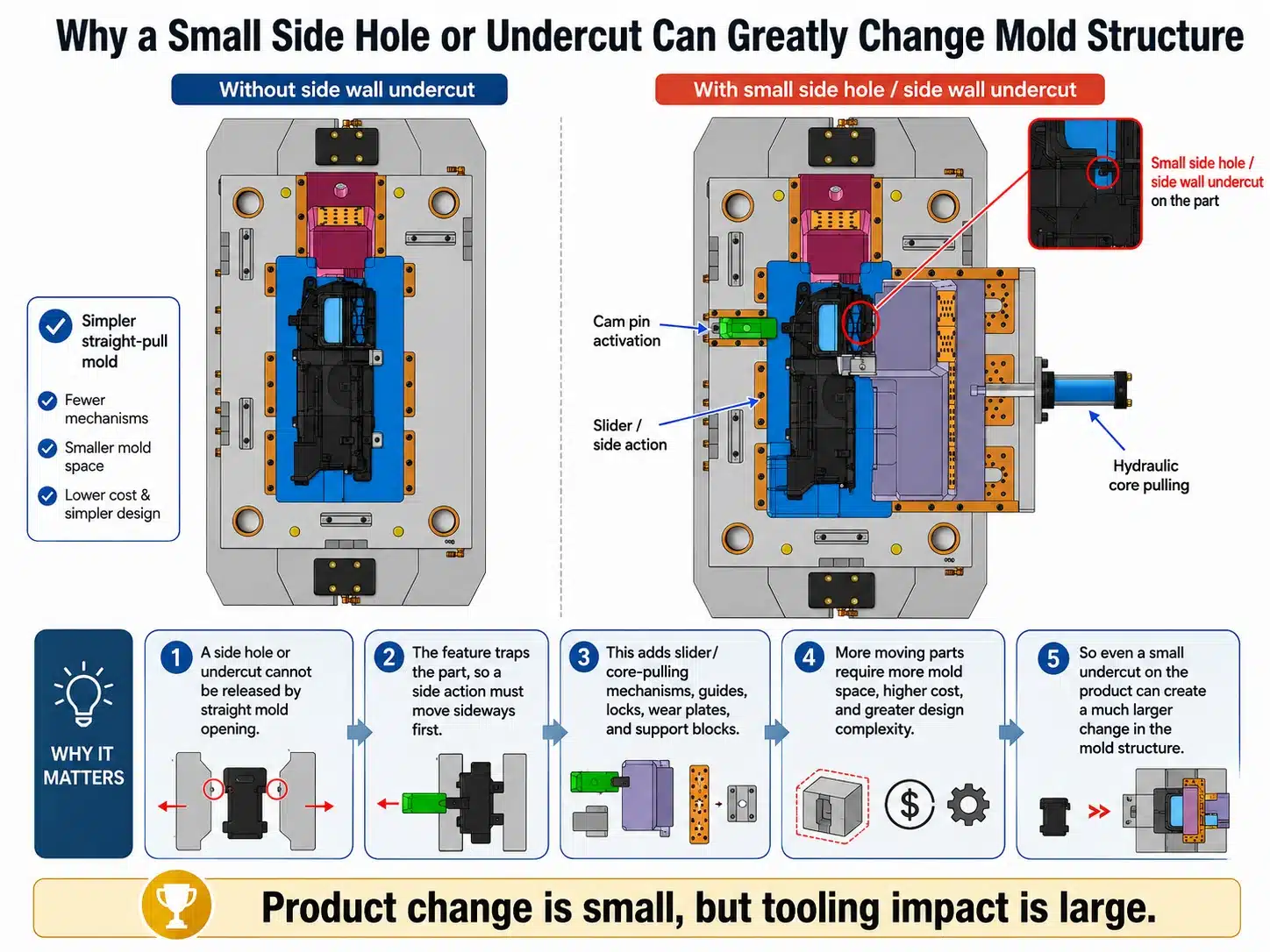
- 02Parti complesse - Analisi necessaria 3-10 giorniPer pezzi con sottosquadri, geometrie complesse, tolleranze strette o requisiti multi-cavità.
Sezione 08
Suggerimenti per semplificare il processo di acquisto degli stampi
RFQ dettagliate per ottenere preventivi accurati
Presentate una RFQ che non lasci spazio a congetture. Includete il tipo di stampo, il numero di cavità, la preferenza per l'acciaio, la durata prevista dello stampo e le aspettative di garanzia.
Siate trasparenti nella vostra richiesta
Siate chiari sul motivo del preventivo. Non chiedete un'analisi ingegneristica completa per un progetto che si prospetta a distanza di anni.
Rispettare la proprietà intellettuale
Siate discreti quando richiedete i preventivi. Non condividete le idee dei produttori di stampi concorrenti.
Collaborare con il costruttore di stampi in anticipo
Discutete i costi e le tempistiche prima di fissare un progetto. Una collaborazione efficace e tempestiva evita costose revisioni.
Mantenere una comunicazione continua
Chiedete aggiornamenti regolari. Molti stampisti utilizzano diagrammi di Gantt o portali di progetto per tenere informati i clienti.
Concordare i termini di pagamento
Pianificate il pagamento di acconti e pagamenti basati su tappe fondamentali, con il pagamento finale in caso di campioni approvati e spedizione dello stampo.
Ridurre al minimo le modifiche al progetto
Le modifiche alla progettazione dei pezzi dopo l'inizio dell'attrezzaggio ritardano i tempi di consegna e aumentano notevolmente i costi.
Definire i criteri di completamento
Uno stampo è completo quando produce pezzi conformi alle specifiche di stampa. Tutte le modifiche dopo l'approvazione richiedono un ECO.
Attenzione alle offerte irrealistiche
Se un'offerta sembra troppo bella per essere vera, di solito lo è. La qualità dello stampo influisce direttamente sulla qualità dei pezzi per milioni di cicli.
Siete pronti a iniziare il vostro progetto?
Contattateci con le vostre esigenze per un preventivo dettagliato.
Richiedete un preventivo →